
Every successful building facade starts long before the first panel arrives at the construction site. The journey from architectural concept to structural reality relies heavily on precise documentation.
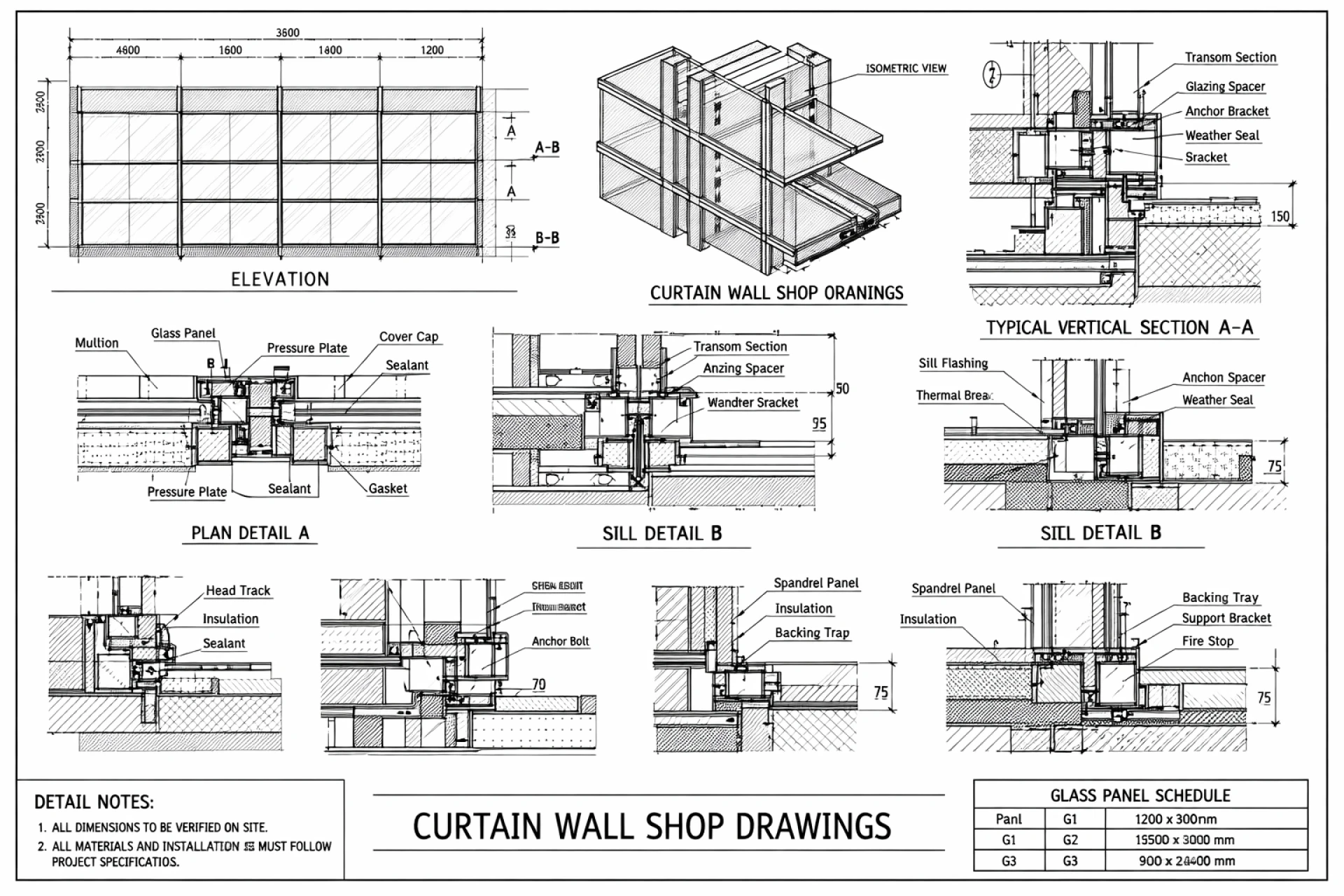
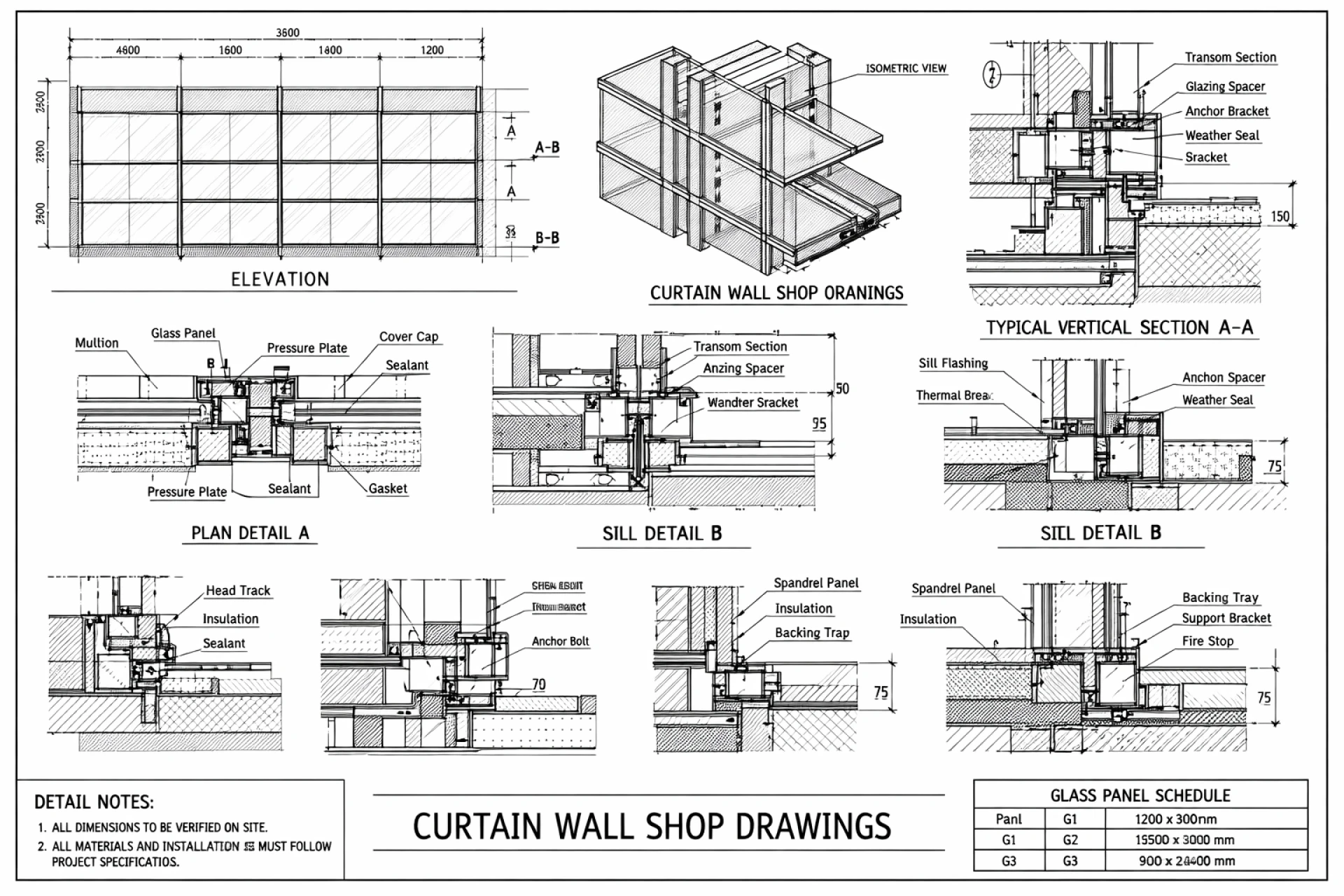
At the center of this process is the Curtain Wall Shop Drawing. This detailed set of plans serves as the blueprint for manufacturing and installing exterior building envelopes.
However, possessing a high-quality drawing is only part of the equation. The true test of a project's viability happens during the coordination phase.
During this critical window, architects, structural engineers, fabricators, and installers must align their unique requirements. A single oversight here can cascade into massive delays and budget overruns later.
Many construction professionals underestimate the complexity of this alignment. They treat coordination as a simple sign-off process rather than a rigorous technical review. Understanding how to manage this phase effectively can mean the difference between a profitable, on-time delivery and a logistical nightmare.
Understanding Curtain Wall Shop Drawings
A Curtain Wall Shop Drawing is a comprehensive visual guide used to fabricate and assemble glass and metal facades. These documents translate broad architectural intent into actionable manufacturing instructions.
Key components of these drawings include detailed floor plans, elevations, sections, and structural connections. They specify exact dimensions, material finishes, thermal breaks, and waterproofing details. Fabricators rely on these precise measurements to cut aluminum extrusions and size glass panels. Installers use them to understand exactly how the system attaches to the primary building structure.
Without these detailed plans, creating a modern, weather-resistant building envelope would be impossible. They bridge the gap between aesthetic vision and practical engineering.
The Coordination Phase: Where Projects Win or Lose
The coordination phase occurs after the initial shop drawings are drafted but before fabrication begins. It involves a systematic review of the drawings by all major project stakeholders. The goal is to identify and resolve clashes between the curtain wall system and other building elements.
This phase is highly significant. The facade must integrate flawlessly with structural steel, concrete slabs, HVAC systems, and interior finishes. Common challenges during this period include discrepancies in structural tolerances, conflicting aesthetic requirements, and evolving architectural models.
Potential pitfalls are numerous. If the mechanical engineer updates a duct layout without notifying the facade team, the curtain wall anchors might suddenly clash with the new ductwork. If these issues are caught during coordination, updating the digital drawing costs very little. If they are discovered on the job site, the project faces expensive rework, wasted materials, and severe schedule delays.
How Effective Coordination Impacts Project Success
Thorough coordination directly influences the financial and temporal health of a construction project.
Cost savings represent the most immediate benefit. Fixing a clash in a digital model requires a few hours of drafting time. Modifying custom-fabricated aluminum extrusions in the field requires specialized labor, new materials, and costly rush orders. By resolving conflicts early, teams protect their profit margins.
Timely delivery is another major advantage. Construction schedules are tightly sequenced. A delay in the facade installation prevents the building from being "dried in," which subsequently stalls all interior trades. Smooth coordination ensures that fabrication happens on schedule and installation proceeds without unexpected interruptions.
Strategies for Winning the Coordination Phase
Navigating the coordination phase requires a proactive approach and the right set of tools.
First, establish clear communication channels early in the project.
Schedule regular clash-detection meetings with the architect, structural engineer, and MEP (mechanical, electrical, plumbing) contractors. Use these sessions to review the models together and assign clear responsibilities for resolving overlaps.
Second, leverage Building Information Modeling (BIM) software. 3D modeling allows teams to run automated clash detection, highlighting physical intersections between the curtain wall anchors and the building structure before any metal is cut.
Finally, consider partnering with specialized drafting experts. Firms like Archdraw Outsourcing provide dedicated resources for drafting and coordinating complex facade systems. Bringing in experienced professionals ensures that your drawings meet industry standards and that potential integration issues are flagged well before fabrication.
Real-World Lessons in Facade Coordination
Examining past projects highlights the tangible impact of the coordination phase.
Consider a recent commercial high-rise development. The project team utilized a shared 3D BIM environment to coordinate the curtain wall with the concrete superstructure.
During the review, the software flagged a recurring clash between the facade's embed channels and the structural rebar layout. Because this was caught digitally, the structural engineer adjusted the rebar spacing slightly, allowing the curtain wall anchors to fit perfectly. The project finished two weeks ahead of schedule.
Conversely, a mid-rise residential project treated the coordination phase as a mere formality. The curtain wall subcontractor submitted their 2D drawings, which were quickly stamped and approved.
During installation, workers discovered that the slab edge tolerances varied by up to two inches, pushing the facade out of alignment. The team had to halt installation, re-engineer the anchor clips, and order custom parts. The resulting delay cost the developer hundreds of thousands of dollars and pushed the completion date back by three months.
Securing Your Next Facade Project
The success of a building's exterior envelope relies on rigorous planning and collaboration. The coordination phase acts as the final checkpoint before digital concepts become physical reality.
By investing time, technology, and expert resources into this critical window, project managers can eliminate costly field errors and keep construction schedules intact. Prioritize communication, utilize 3D clash detection, and rely on precise documentation to ensure your next facade project is a definitive success.