
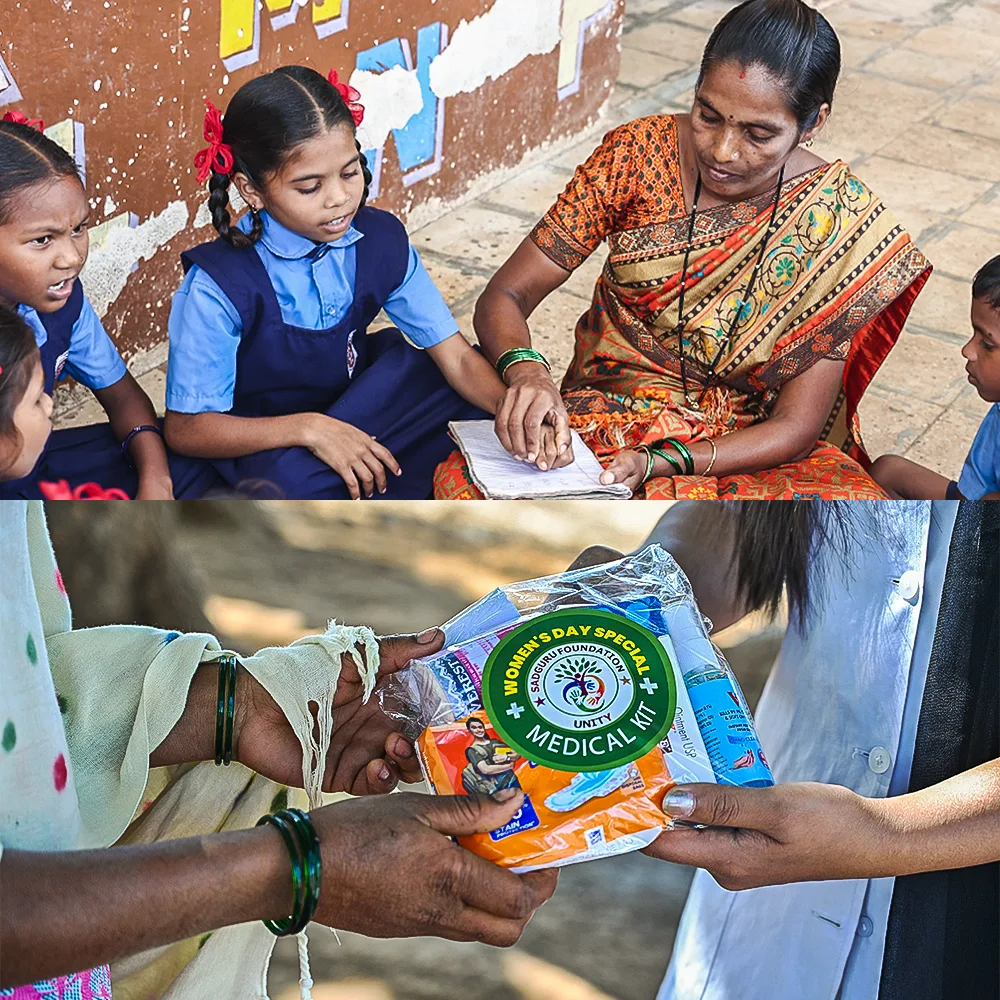
In today’s compliance-driven and impact-focused business environment, selecting the right CSR partner NGO India has become a strategic priority for companies seeking measurable social outcomes. Corporate Social Responsibility (CSR) in India is not merely a philanthropic add-on; it is a structured mandate under Section 135 of the Companies Act, 2013, requiring eligible companies to allocate a percentage of profits toward approved social initiatives. As a result, corporations increasingly seek credible nonprofit organizations that can design, implement, and monitor development projects with transparency and accountability.
The Strategic Importance of CSR Partnerships
CSR is evolving from donation-based charity to outcome-oriented development programming. Companies are expected to demonstrate:
- Clear alignment with Schedule VII activities
- Defined project objectives and key performance indicators (KPIs)
- Financial transparency and utilization reporting
- Long-term sustainability and community impact
A capable nonprofit partner plays a pivotal role in translating corporate intent into structured grassroots execution. They bring domain expertise, community trust, and on-ground implementation capacity—elements that corporations may not possess internally.
Key Qualities of an Effective Nonprofit Collaborator
When evaluating potential partners, companies typically assess the following criteria:
1. Legal and Regulatory Compliance
The organization must have valid registration under relevant acts (Trust Act, Societies Registration Act, or Section 8 Company structure). Additionally, compliance documentation such as 12A, 80G, CSR-1 registration, and audited financial statements is essential.
2. Sectoral Expertise
Whether the focus is education, healthcare, women empowerment, rural development, environmental sustainability, or elderly care, subject-matter competence ensures efficient resource utilization and stronger outcomes.
3. Governance Framework
Strong board oversight, documented policies, risk mitigation systems, and internal financial controls enhance credibility and reduce compliance risks for corporate donors.
4. Impact Measurement Mechanisms
Modern CSR mandates measurable impact. NGOs must demonstrate structured monitoring frameworks, baseline assessments, periodic reporting, and data-backed outcome evaluation.
5. Scalability and Geographic Reach
Organizations operating across multiple districts or states often offer better scalability for companies aiming for broader social impact footprints.
Compliance Landscape in India
India is one of the few countries with mandatory CSR spending. Companies meeting specified net worth, turnover, or profit thresholds must allocate at least 2% of their average net profits toward eligible social activities.
Nonprofits seeking corporate funding must be registered on the Ministry of Corporate Affairs CSR portal and provide detailed project proposals, budgets, timelines, and measurable outputs. Proper documentation ensures seamless reporting during board disclosures and annual CSR reporting requirements.
Emerging Trends in Corporate–NGO Collaboration
1. Outcome-Based Funding
Corporates now prioritize results over activity-based funding. Projects are structured with defined metrics such as beneficiary reach, skill certifications completed, or healthcare interventions delivered.
2. Technology Integration
Digital dashboards, geo-tagged reporting, beneficiary tracking software, and real-time impact visualization tools are increasingly used to enhance transparency.
3. Long-Term Partnerships
Rather than one-time grants, companies prefer multi-year collaborations that create sustainable change. This approach ensures community continuity and stronger brand credibility.
4. ESG Alignment
CSR initiatives are now aligned with Environmental, Social, and Governance (ESG) frameworks. Projects addressing climate resilience, gender equality, and inclusive growth gain priority.
Due Diligence Before Finalizing a Partnership
A structured due diligence process is essential before formalizing collaboration:
- Review of statutory compliance documents
- Assessment of previous project reports
- On-ground verification visits
- Evaluation of governance structure
- Background checks of key management personnel
Companies often create CSR committees or engage third-party evaluators to ensure risk mitigation and compliance integrity.
Structuring an Effective CSR Engagement
A successful partnership typically includes:
- Memorandum of Understanding (MoU) outlining scope and deliverables
- Detailed project implementation plan
- Budget allocation with expense categorization
- Monitoring and evaluation framework
- Communication and branding guidelines
- Exit or sustainability strategy
Such structured agreements reduce ambiguity and establish mutual accountability.
Benefits for Corporates and Communities
For businesses, structured CSR initiatives enhance brand reputation, stakeholder trust, regulatory compliance, and employee engagement. For communities, these partnerships bring structured interventions in education, healthcare, skill development, infrastructure, and livelihood generation.
When implemented strategically, CSR partnerships contribute to long-term social transformation rather than short-term relief.
Conclusion
Selecting the right nonprofit partner is not merely a compliance decision—it is a strategic investment in sustainable development. Companies must prioritize transparency, measurable impact, regulatory adherence, and community-centric execution. As CSR regulations continue to mature in India, structured collaborations between corporates and capable grassroots organizations will remain central to inclusive national growth.
A well-designed partnership ensures that financial resources translate into tangible social progress, creating shared value for businesses and society alike.