
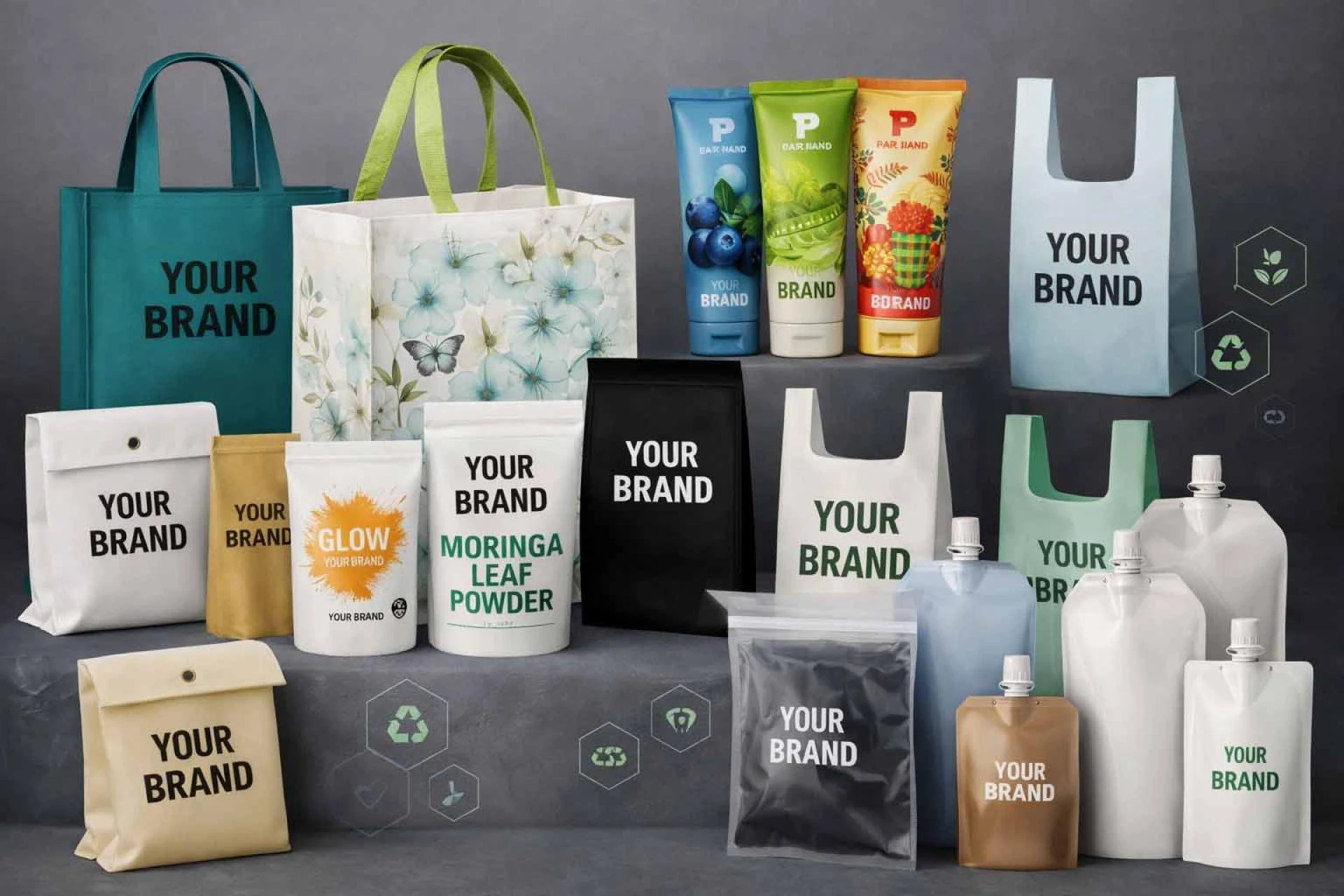
You work in packaging and printing to solve real business problems. You protect products. You shape first impressions. You influence buying decisions. In the first 100 words, it matters to say this clearly. Packaging and printing sit at the center of brand value, cost control, and customer trust. I have worked closely with packers, retailers, and manufacturers. I have seen how small choices in material, size, and print quality change results. This section looks at creative packaging and printing from a practical angle. It focuses on how you meet Regulatory Demands, respect Customer Preferences, and build long term value through smart design and production choices.
Regulatory Pressure and the Shift Toward Responsible Packaging
You face strong pressure from Officials and Consumers. Regulatory frameworks now shape daily packaging decisions. Many Businesses must Comply with Regulations that restrict Single-use Plastics. These rules affect Bags, Pouches, and Flexible Packaging formats.
Sustainable Practices now drive packaging planning.
Waste Reduction targets influence material selection.
Regulations push Companies to rethink traditional Plastic Products.
Consumer awareness continues to rise across Retail and E-commerce.
You respond by adopting Eco Packaging Options that balance Functionality and compliance. This is not theory. Supermarkets and Retailers already show Results through Case Studies. Lightweight and Reusable formats reduce Landfill Contributions. These actions align with Environmental Goals and support a Circular Economy.
Understanding Customer Preferences Through Use and Reuse
Customer Preferences shape every successful packaging strategy. Shoppers look for Convenience, Durability, and clear Branding. They want Packaging that feels supportive and reliable.
Reusable Bags appeal to Environmentally Conscious buyers.
Non-woven and Paper options suit Groceries and Boutique Retail.
Zip and Zipper features improve Storage and Reuse.
Lightweight designs make Carry easier.
I have seen Retailers test different Types of Bags. Reusable formats often get Chosen more often. This builds Loyalty and improves Brand Recognition. When Packaging meets daily Needs, Customers keep it. That extends your Marketing reach without extra Spending.
Sustainable Materials and Cost Control in Real Operations
Many Businesses fear the Price of Eco-friendly materials. In practice, Long-term Cost Savings often outweigh initial costs.
Moderately Priced Recyclable materials reduce Waste fees.
Durable designs lower replacement rates.
Reusable Packaging increases customer retention.
Biodegradable and Compostable Alternatives reduce Carbon Footprints.
Materials like Polyethylene Film still play a role when sourced responsibly. Advances in Polyethylene Extrusion and Flexible Packaging Technology allow lighter structures. These options Biodegrade or recycle more easily when designed well. The Benefits include Reliability, Safety, and Legal Compliance.
Customization as a Tool for Brand Identity
Customized Packaging drives Product Identity. It connects Packaging to Brand Ethos. This goes beyond a Logo.
Color selection guides emotional response.
Size and Product Weight affect handling.
Custom Sizes improve Shipping efficiency.
Personalized Wrapping enhances the Product Experience.
Custom-designed Packaging increases Market Appeal. It helps your Product stand out in Niche Markets. I have worked on Custom Production runs where small changes improved Aesthetic value and perceived Quality. This is an Investment in Innovation and Uniqueness.
Packaging Solutions for Retail, Food, and E-commerce
Each outlet has different Packaging Needs.
Food Packaging must protect Perishable items.
Retail Merchandise needs Visually Appealing formats.
E-commerce depends on Protective Materials.
Padded Mailers protect Expensive Items.
Inflatable Air Pillows reduce Shipping Weight.
Plastic-free Bubble Cushion options support Eco-conscious goals.
Corrugate, Tissue, and tape support structure and presentation.
Zippered and Rigid formats support Storage and Reuse. These Packaging Options reduce damage and returns. Reliable Service and Efficient Delivery matter as much as design.
Manufacturing Process and Production Flexibility
Efficient Packaging depends on a strong Manufacturing Process.
Extrudes, Converts, Prints workflows support speed.
Specialized Production improves consistency.
Production Runs scale with Order Flexibility.
Quick Turnaround supports Promotions and Events.
Custom Production requires Packaging Technology that adapts fast. Flexible Production keeps Prices Affordable. Efficient Service depends on trained Employees and clear Production Timelines. This Focus helps Businesses meet changing Demands.
Supplier Trustworthiness and Compliance Assurance
Your Supplier is your Partner. Trustworthiness affects Reputation.
Certification confirms Quality and Safety.
Certified processes ensure Legal Compliance.
Reliable Partners deliver Consistency.
Client Reviews and Samples guide decisions.
Compliant Packaging protects your Business. It reduces risk and builds positive Relations with Officials and Consumers. This Assurance matters more as Regulations tighten.
Marketing Impact and Promotional Value of Packaging
Packaging acts as Advertising. It supports Promotional Materials and Giveaways.
Attractive Bags extend Brand visibility.
Corporate Gifts increase Recognition.
Customized Packaging supports Campaigns.
Events benefit from Flexible and Durable formats.
Packaging becomes part of your Marketing Strategy. It supports Brand Loyalty and improves Consumer perception. Shoppers remember Brands that align with their Values.
Building Future Ready Packaging Strategies
Future Packaging focuses on Sustainability and Action.
Train Employees on Recycling Initiatives.
Support Curbside Recycling Facilities.
Reduce Waste at the source.
Adopt Water-based Inks and Soy-based alternatives.
Every Choice has Impact. Businesses that focus on Responsible Sources Build Positive Reputation. These Actions Potentially Save Money in the Long Run. They protect the Planet and support a Sustainable Future.