
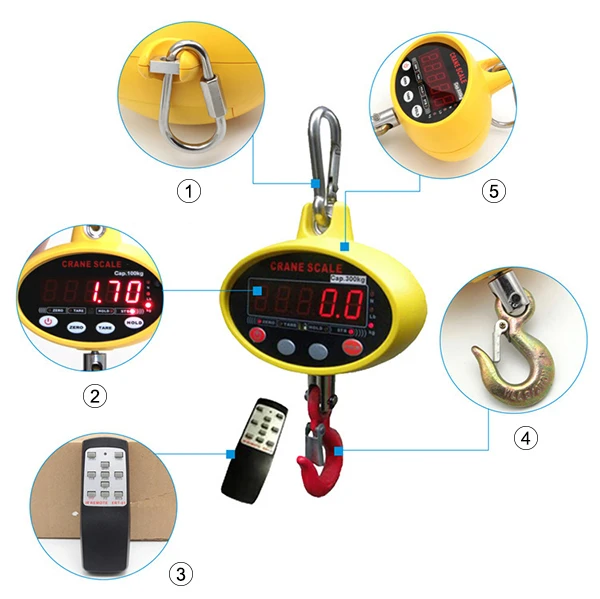
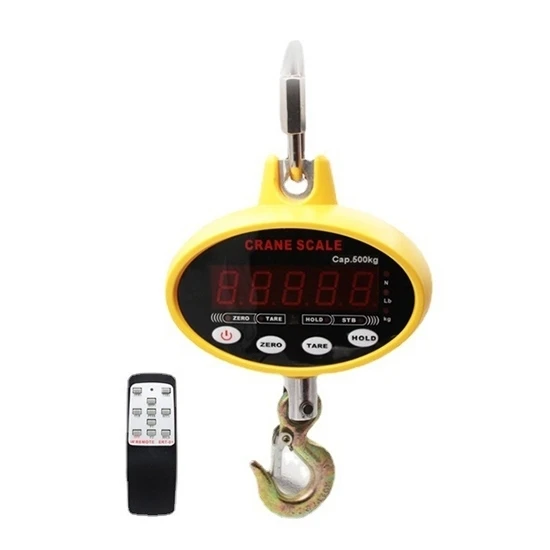
What Is a Crane Scale?
A crane scale is a specialized weighing device designed to measure the weight of heavy loads suspended from cranes, hoists, or overhead beams. Unlike traditional platform scales, crane scales are attached to lifting equipment, allowing for direct measurement of loads while they are suspended in the air. This method, known as "overhead weighing," makes crane scales incredibly versatile and efficient for handling large or awkwardly shaped objects.
How to Use a Crane Scale
Using a crane scale involves several straightforward steps to ensure accurate measurements and safe operations:
1. Preparation: Before starting, ensure you know the approximate weight of the load to select the appropriate crane scale. If it’s battery-powered, check that the battery is fully charged. Prepare the necessary hooks and cables for attaching the scale to the crane.
2. Zero Calibration: With no load attached, ensure the crane scale’s display reads “0”. If it has a zero adjustment function, calibrate it at this stage.
3. Weighing: Slowly lift the load using the crane scale. Wait for the display to stabilize, then read and record the weight. Avoid any sudden movements or vibrations during this process.
4. Completion: Once the weighing is done, lower the load carefully, turn off the scale, and store it in a safe place.
Why Are Crane Scales Important?
Efficiency
Crane scales streamline operations by allowing simultaneous lifting and weighing. This eliminates the need to move loads to a separate weighing station, saving time and effort. For example, in logistics, crane scales enable quick and accurate weighing of goods during loading and unloading.
Safety
Accurate weight measurement is crucial for preventing overloading, which can damage equipment and cause accidents. Crane scales ensure that lifting equipment operates within safe limits. For instance, in construction, they help safely position heavy materials like steel beams.
Precision
Crane scales offer high-precision measurements, which are essential for industries with strict weight regulations. In manufacturing, precise weighing ensures quality control and compliance with standards.
Versatility
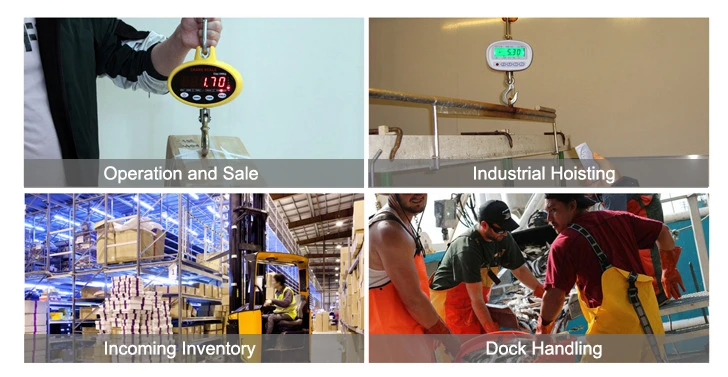
Crane scales are used across various industries, including manufacturing, logistics, construction, shipping, mining, and even fisheries. Their ability to handle heavy and awkwardly shaped loads makes them indispensable.
Choosing the Right Crane Scale
When selecting a crane scale, consider factors like weight capacity, accuracy, environmental protection, display visibility, power source, and connectivity options. For example, if you need a scale for outdoor use, look for one with a high IP rating for water and dust resistance.
Safety Tips for Using Crane Scales
To ensure safe and efficient operations, follow these safety tips:
- Always be alert and keep an eye on suspended loads.
- Never pass or work under suspended loads.
- Ensure all loads are balanced.
- Always lift loads vertically.
- Avoid torsion, vibrations, and shock loads.
- Always check safety brackets.
- Check hooks, cables, ropes, and rings for excessive wear and replace them when necessary.
Conclusion
Crane scales are powerful tools that enhance efficiency, safety, and precision in industrial operations. By understanding how to use them and recognizing their importance, businesses can significantly improve their workflow and ensure compliance with industry standards. Whether you’re lifting heavy materials in a factory or weighing cargo at a port, a crane scale is an invaluable asset.