Crafting Refined Interiors with Custom Cabinetry and Millwork
A thoughtfully designed interior depends on more than attractive furniture and decorative finishes. Built-in storage, detailed woodwork, and carefully planned architectural elements can give a space a polished and cohesive appearance. When these features are designed together, they can improve both functionality and visual character.
Custom cabinetry and architectural millwork can bring a highly personalized approach to residential and commercial interiors. These solutions can be created around specific dimensions, design preferences, and functional requirements. As a result, homeowners and designers have greater freedom to develop spaces that feel intentional and distinctive.
Creating Storage That Fits the Space
Every room has different storage requirements. Kitchens may need cabinets for cookware, appliances, and pantry items, while bedrooms may require wardrobes and built-in storage. Home offices can also benefit from cabinetry designed for books, documents, and equipment.
Unlike basic storage furniture, built-in cabinetry can be planned around the exact dimensions of a room. This helps reduce awkward gaps and makes better use of walls, corners, and vertical space.
Moreover, the internal layout can be customized with drawers, adjustable shelves, pull-out sections, and specialized compartments. These features can make everyday organization much easier.
Understanding Architectural Millwork
Architectural millwork includes detailed wood elements created for a specific interior or architectural setting. Depending on the project, it may include wall paneling, built-in shelving, reception areas, doors, trim, decorative elements, and other integrated features.
These details can help connect different parts of an interior. For example, matching wood finishes across cabinetry, wall panels, and doors can create a consistent visual language.
Architectural millwork can also add depth and character to otherwise simple spaces. Therefore, it can be an important part of both traditional and contemporary interior design.
Choosing Materials and Finishes
Material selection is an important stage of any cabinetry or millwork project. Wood species, plywood, engineered materials, veneers, and other options can provide different levels of durability and visual appeal.
The finish should also complement the surrounding environment. Natural wood can introduce warmth, while painted finishes can create a cleaner and more modern appearance.
Additionally, hardware should be selected carefully. Handles, hinges, drawer systems, and other components should support the overall design while providing dependable everyday functionality.
How Custom cabinetry and architectural millwork Create a Unified Interior
When cabinetry and architectural woodwork are planned as part of the same design, different elements of a room can feel more connected. Matching finishes, profiles, materials, and proportions can create a balanced appearance.
Custom cabinetry and architectural millwork can be designed to integrate with walls, flooring, ceilings, doors, and other architectural features. This makes it possible to create interiors where storage and decorative details work together rather than appearing as separate additions.
However, successful results require careful planning. Measurements, room proportions, material selections, and installation requirements should be considered before production begins.
Improving Functionality Through Custom Details
Personalized cabinetry can include features that support the specific way a space is used. Deep drawers can store larger items, while narrow compartments can organize smaller belongings. Adjustable shelving can also provide flexibility when storage requirements change.
In kitchens, integrated storage can help maintain a clean work area. In offices, built-in cabinets can keep equipment and documents organized. Living rooms can use custom storage to conceal electronics while maintaining a streamlined appearance.
These details can make a room easier to use without compromising its design.
Adding Character to Residential Interiors
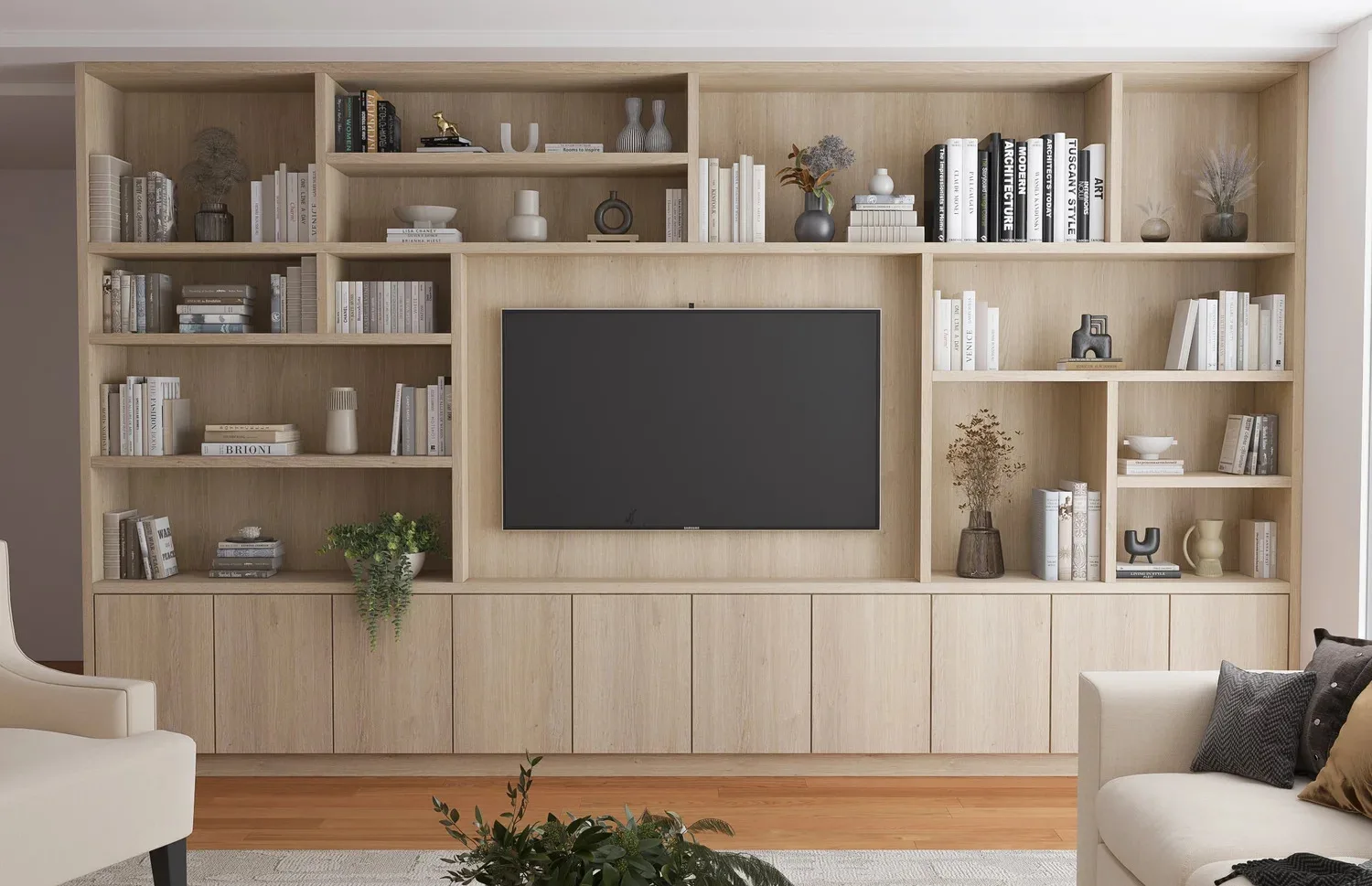
Custom woodwork can contribute significantly to the atmosphere of a home. A carefully designed built-in bookcase can become a focal point, while detailed wall paneling can add texture and architectural interest.
Bedrooms can benefit from fitted wardrobes that maximize available storage. Entertainment areas can incorporate cabinetry that hides cables and electronic equipment. Entryways can also use built-in storage for shoes, coats, and everyday items.
For homeowners seeking distinctive design inspiration, woodharmonic can be considered when exploring cabinetry and woodwork concepts that combine craftsmanship with practical interior solutions.
Supporting Commercial and Professional Spaces
Architectural millwork is also useful in commercial environments. Offices, retail spaces, hospitality settings, and professional reception areas often require furniture and built-in features that reflect a company's visual identity.
Reception desks, display cabinets, wall panels, conference-room storage, and built-in shelving can all be designed to work with the architecture of a commercial space.
Furthermore, custom solutions can help businesses make efficient use of limited floor space. Integrated storage can reduce clutter and contribute to a more professional environment.
Planning a Successful Project
A successful cabinetry and millwork project begins with detailed planning. Measurements should be accurate, and the intended use of every storage area should be clearly understood.
Material samples and finish selections should also be reviewed before production. This helps ensure that the final elements coordinate with countertops, flooring, lighting, furniture, and other interior features.
Professional installation can further help achieve precise alignment and a clean finished appearance. Careful attention to details such as joints, hardware, edges, and proportions can make a noticeable difference.
Conclusion
Well-planned cabinetry and architectural woodwork can transform an interior by combining practical storage with distinctive design. From residential kitchens and bedrooms to commercial offices and reception areas, these solutions can be adapted to a wide range of spaces.
By focusing on accurate planning, durable materials, useful storage features, and cohesive finishes, property owners can create interiors that are functional, attractive, and built around their specific requirements.