
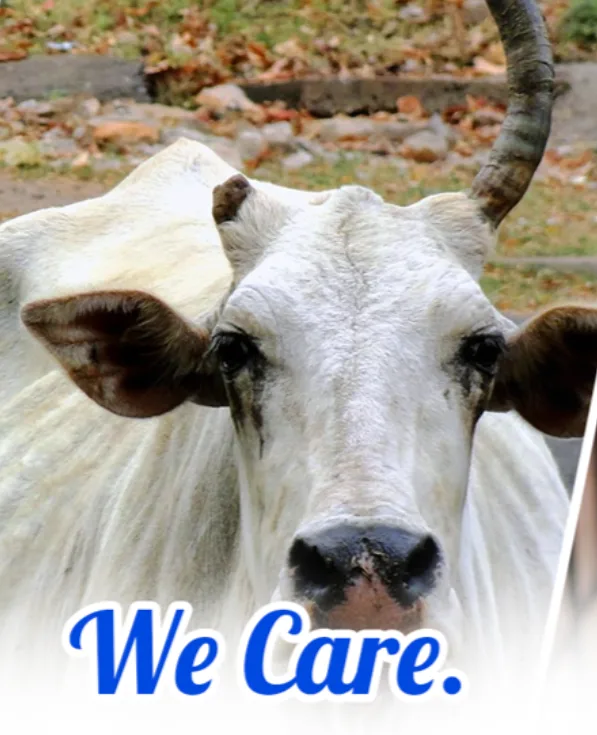
India has shared a deep cultural, agricultural, and economic relationship with cattle for centuries. A cow protection NGO India plays an important role in safeguarding abandoned, injured, and neglected cows while supporting sustainable livestock management and animal welfare. Beyond providing shelter, these organizations contribute to veterinary care, environmental conservation, rural livelihoods, and awareness about responsible treatment of animals. As urbanization and changing agricultural practices continue to impact cattle populations, organized conservation efforts have become increasingly significant.
Why Cow Protection Matters
Cows have historically been an integral part of India's rural economy. They contribute to agriculture through organic manure, support dairy farming, and play a role in maintaining ecological balance. However, many cattle face abandonment due to declining productivity, accidental injuries, lack of grazing land, and increasing urban expansion.
Without proper care, abandoned cattle often struggle to find food and water, become victims of road accidents, or develop serious health complications. Organized welfare initiatives help ensure these animals receive food, shelter, and timely medical treatment.
Major Challenges Faced by Cattle
Several factors contribute to the growing number of vulnerable cattle across the country:
- Abandonment by owners after reduced milk production
- Limited grazing areas due to rapid urban development
- Road accidents involving stray cattle
- Malnutrition caused by plastic consumption and food scarcity
- Infectious diseases requiring immediate veterinary intervention
- Insufficient awareness about responsible livestock ownership
Addressing these challenges requires coordinated efforts involving communities, veterinarians, volunteers, and welfare organizations.
Essential Services Provided by Cow Welfare Organizations
Organizations dedicated to cattle welfare perform a wide range of activities aimed at ensuring long-term care and protection.
Rescue Operations
Rescue teams respond to emergency situations involving injured, abandoned, or distressed cattle. These operations often include transportation to safe shelters and immediate medical assessment.
Veterinary Care
Professional veterinary services are essential for treating injuries, infections, fractures, and chronic illnesses. Regular vaccinations, deworming, and health monitoring help improve the quality of life of rescued animals.
Nutritious Feeding Programs
Balanced nutrition is crucial for maintaining healthy cattle. Welfare centers provide green fodder, dry feed, mineral supplements, and continuous access to clean drinking water.
Shelter Management
Safe shelters protect cattle from extreme weather conditions while offering hygienic living spaces designed to minimize disease transmission and stress.
Rehabilitation
Some rescued animals recover sufficiently to return to safe agricultural environments, while elderly or permanently injured cattle receive lifelong care within protected facilities.
Environmental Benefits of Cow Conservation
Protecting cattle extends beyond animal welfare and offers several environmental advantages.
Organic manure produced by cattle naturally enriches soil fertility, reducing dependence on chemical fertilizers. Compost generated from cow dung supports sustainable farming practices while improving soil structure and microbial activity.
Cow dung is also widely used in biogas production, generating renewable energy that reduces reliance on fossil fuels. These sustainable practices contribute to lower greenhouse gas emissions and promote eco-friendly rural development.
Supporting Rural Communities
Healthy cattle continue to play a valuable role in strengthening rural livelihoods. Organic farming, dairy-related activities, natural compost production, and traditional agricultural methods all benefit from responsible cattle management.
Educational awareness programs conducted in villages encourage proper feeding practices, preventive healthcare, and humane treatment of livestock. These initiatives improve both animal welfare and agricultural productivity.
Public Awareness and Community Participation
Community involvement remains one of the strongest pillars of successful cattle conservation.
Volunteers frequently assist with:
- Feeding drives
- Shelter maintenance
- Animal transportation
- Veterinary support programs
- Awareness campaigns
- Fundraising initiatives
- Educational workshops
Schools, colleges, local communities, and social groups also participate in awareness activities that promote compassion toward animals and responsible ownership.
Modern Technology Supporting Animal Welfare
Technology has significantly improved cattle rescue and management in recent years.
Digital record systems help track medical history, vaccinations, and rehabilitation progress. GPS-based rescue coordination enables quicker response times during emergencies, while online awareness campaigns educate larger audiences about responsible animal care.
Veterinary teleconsultation and digital monitoring systems also assist welfare professionals in providing timely healthcare for rescued cattle.
How Individuals Can Contribute
Every individual can support cattle welfare through simple yet meaningful actions:
- Report injured or abandoned cattle to local authorities.
- Avoid feeding plastic-contaminated waste.
- Participate in community awareness campaigns.
- Volunteer at nearby animal shelters.
- Support rescue and veterinary initiatives.
- Encourage responsible livestock ownership within local communities.
Even small contributions collectively create a lasting impact on animal welfare and environmental sustainability.
Conclusion
Protecting cattle is a shared responsibility that combines compassion, environmental stewardship, and sustainable rural development. Through rescue operations, healthcare, rehabilitation, shelter management, and public awareness, dedicated welfare initiatives continue to improve the lives of thousands of vulnerable animals across India. As communities become more aware of responsible animal care and conservation practices, collective participation can help create a safer, healthier, and more sustainable future for cattle while preserving an important part of India's agricultural and ecological heritage.