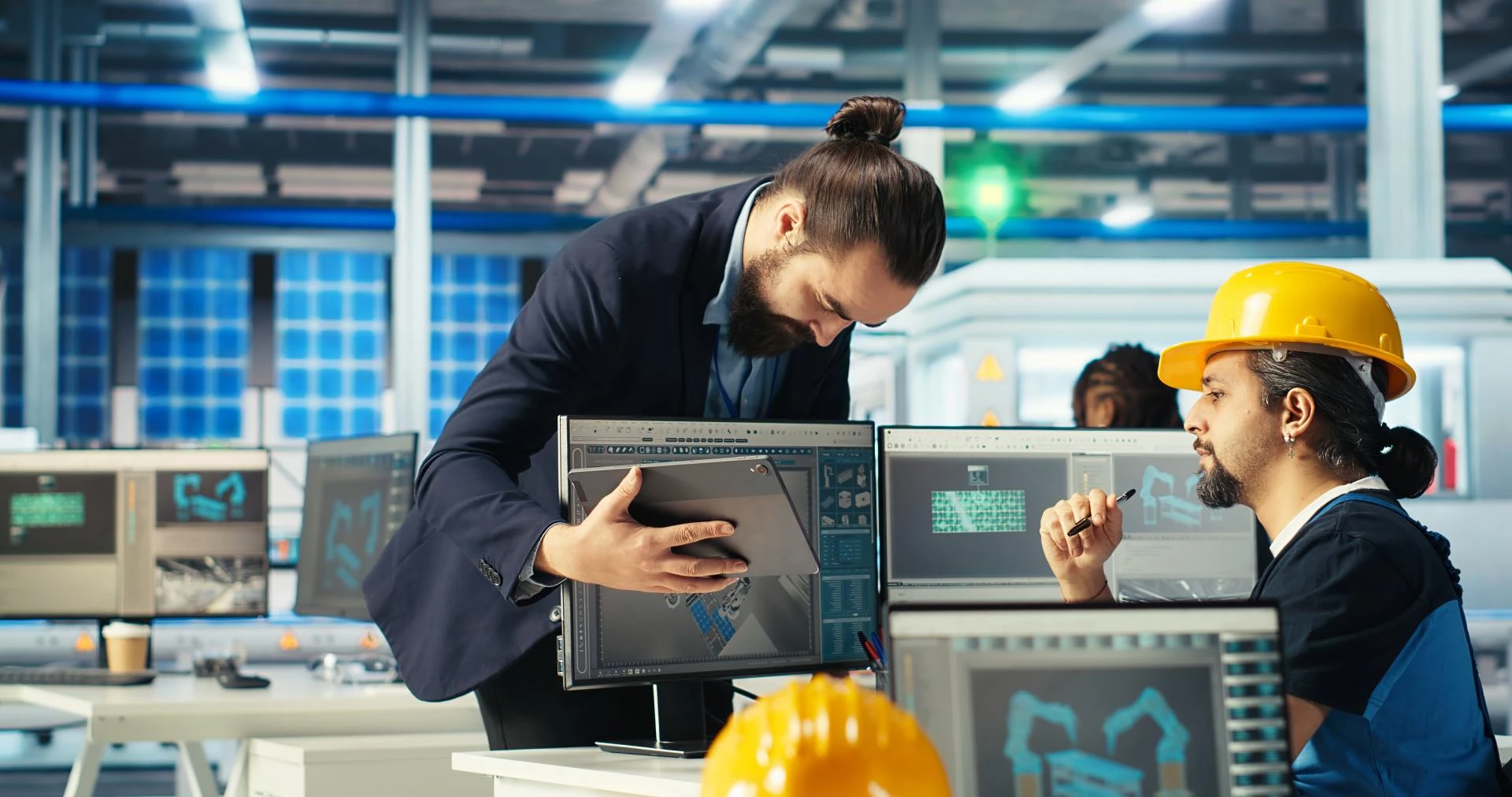
Walk into any modern factory, and something immediately feels different. There's a quiet hum of machinery working with precision, screens displaying real-time production data, and technicians monitoring systems from tablets rather than clipboards. This isn't science fiction, it's digital manufacturing, and it's rewriting the rules of how things get made.
But here's what most people miss: the technology alone doesn't create these transformations. Someone has to design these systems, implement them, and keep them running. That someone needs specialized knowledge that traditional manufacturing education never covered. A course in digital manufacturing bridges that gap, preparing professionals for factories that are already here, and the ones still taking shape.
The Skills Gap Is Real (And Growing)
Manufacturing companies face an uncomfortable truth: they can buy cutting-edge technology, but they can't buy the expertise to use it effectively. Digital twins, additive manufacturing integration, AI-driven quality control, cloud-based production management, these aren't optional extras anymore. They're becoming standard expectations.
Traditional manufacturing experience doesn't cover these requirements. A course in digital manufacturing does, teaching professionals how to think about production systems in fundamentally new ways.
Learning What Actually Matters in Modern Production
So what exactly does someone learn in these programs? It's not just software training or theoretical concepts. The best courses focus on practical skills that directly impact factory performance.
Students explore how to create and use digital twins, virtual replicas of physical production systems that allow testing changes without disrupting actual operations. They learn to implement predictive maintenance strategies using sensor data and machine learning algorithms. They study how to design flexible manufacturing cells that can switch between different products with minimal downtime.
Take the experience of David, a mechanical engineer from Michigan who completed a digital manufacturing program two years ago. Before the course, he understood traditional manufacturing processes well. Afterward, he could analyze production data to identify efficiency opportunities that weren't visible through conventional methods. Within six months of finishing his course in digital manufacturing, he led a project that reduced his plant's changeover times by 40% and improved on-time delivery rates by 18%.
That's not theory, that's measurable business impact from applied knowledge.
The Connection Between Digital and Physical Worlds
One of the trickiest aspects of digital manufacturing is understanding how virtual systems and physical production interact. A simulation might show one result, but actual machines behave differently because of variables the model didn't capture. Learning to bridge that gap separates competent digital manufacturing professionals from exceptional ones.
Quality programs teach students to think in both domains simultaneously. They learn to design digital systems that account for physical constraints, heat expansion, material variations, vibration effects, and dozens of other real-world factors that pure software engineers might overlook. They also learn to use digital tools to solve physical problems, like using augmented reality for maintenance guidance or employing computer vision for defect detection.
Career Paths Nobody Saw Coming
Digital manufacturing creates job roles that didn't exist five years ago. Digital manufacturing engineer. Smart factory coordinator. Industrial data analyst. Production simulation specialist. These positions pay well because qualified candidates remain scarce.
Consider what happened to Angela, a process engineer who completed her certification in digital manufacturing. She expected to return to her existing role with enhanced skills. Instead, her company created a new position specifically for her: digital transformation lead. Her responsibility? Helping the organization transition from traditional manufacturing practices to digitally integrated operations. Her salary increased by $22,000, and she suddenly had influence over strategic decisions rather than just daily operations.
These opportunities extend across industries. Automotive manufacturers need these skills. So do pharmaceutical companies, electronics producers, food and beverage operations, and aerospace suppliers. Any organization making physical products faces pressure to digitize their manufacturing processes, and they need professionals who understand how to make that happen.
The Competitive Advantage of Early Adoption
Here's something worth considering: digital manufacturing expertise remains relatively rare right now. Professionals who develop these capabilities today position themselves ahead of the curve rather than playing catch-up later.
Companies currently implementing digital manufacturing systems are learning through trial and error. They're making expensive mistakes and discovering hard lessons about what works and what doesn't. A course in digital manufacturing lets professionals learn from those collective experiences without going through the painful (and costly) discovery process themselves.
Not Just for Engineers
Here's an assumption many people make: digital manufacturing education only matters for engineers. That's incomplete thinking.
Operations managers benefit enormously from understanding digital manufacturing concepts. They make better decisions about technology investments and capacity planning when they understand what's actually possible with modern systems. Quality professionals who understand digital tools can implement more sophisticated inspection and control strategies. Supply chain specialists who grasp digital manufacturing can better coordinate production schedules with material flows.
Implementation Skills Matter More Than Theory
The difference between academic knowledge and practical ability shows up clearly in digital manufacturing. Someone might understand the theory behind digital twins or predictive analytics, but can they actually implement these systems in a real factory with legacy equipment, limited budgets, and tight production schedules?
Strong programs emphasize implementation skills. Students work through case studies based on actual projects, complete with the messy complications that textbooks often ignore. They learn to deal with incomplete data, equipment that doesn't quite meet specifications, and the organizational change management required to get people to trust and use new digital systems.
These practical skills prove their value immediately. New graduates don't need months of on-the-job training before contributing meaningfully. They can jump into projects and add value right away because they've already worked through similar challenges in their coursework.
The Investment That Pays Forward
A course in digital manufacturing requires investment, time, money, and mental energy. Most programs run 3-6 months for certificates or 12-18 months for more comprehensive credentials. Tuition varies widely but often ranges from $3,000 to $15,000 depending on the institution and program depth.
Is that worth it? For manufacturing professionals who see where their industry is heading, the math usually works out. The salary increases, career advancement opportunities, and job security that come with these skills typically recoup the investment within 1-2 years. More importantly, the knowledge remains relevant as technology continues advancing because the foundational concepts don't change even as specific tools do.