Cotton has never gone out of style. It's breathable, versatile, and cost-effective—qualities that keep it at the center of fashion seasons after season. For fashion businesses, understanding where cotton fabric clothing is heading is not a nice-to-have. It's a competitive necessity.
From organic sourcing to tech-infused blends, the cotton market is evolving fast. Brands that track these shifts early can make smarter buying decisions, build stronger supplier relationships, and connect with customers who care about what they wear. This post breaks down the biggest cotton fabric trends shaping the industry right now—and what your business should do about them.
The Rise of Organic Cotton
Sustainability is no longer a niche selling point. Shoppers are actively looking for clothing made with fewer chemicals, less water, and more accountability. Organic cotton fabric answers that demand.
Globally certified organic cotton production has grown steadily, driven by both consumer pressure and regulatory changes in key markets like the EU and UK. For fashion businesses, this means one thing: if you're not already offering or sourcing organic cotton options, your competitors likely are.
The shift toward ethical fashion also extends to certifications. Labels like GOTS (Global Organic Textile Standard) and OEKO-TEX carry real weight with today's buyers. Featuring these on your product pages and marketing materials builds trust—and drives conversions.
What to do: Start building relationships with certified organic cotton suppliers. Even adding one or two certified lines to your catalog positions your brand as forward-thinking and responsible.
Cotton Blends and Tech-Integrated Fabrics
Pure cotton fabric is beloved, but blended cotton fabrics are where much of the innovation is happening. Cotton-modal, cotton-bamboo, and cotton-spandex blends offer enhanced stretch, moisture-wicking, and durability—without sacrificing the comfort cotton is known for.
On the tech side, performance cotton fabrics are gaining traction beyond sportswear. Anti-odor treatments, UV protection finishes, and wrinkle-resistant coatings are now being applied to everyday cotton fabric clothing. This is especially relevant for brands serving working professionals, frequent travelers, or health-conscious consumers.
The blend market also opens up a wider price range. Entry-level blends allow brands to offer affordable options, while premium technical fabrics command higher margins and attract a different buyer segment.
What to do: Review your current fabric mix. If you're working exclusively with plain cotton, consider piloting a cotton blend option in a high-demand category like casualwear or activewear.
Silhouettes and Color Palettes Dominating the Market
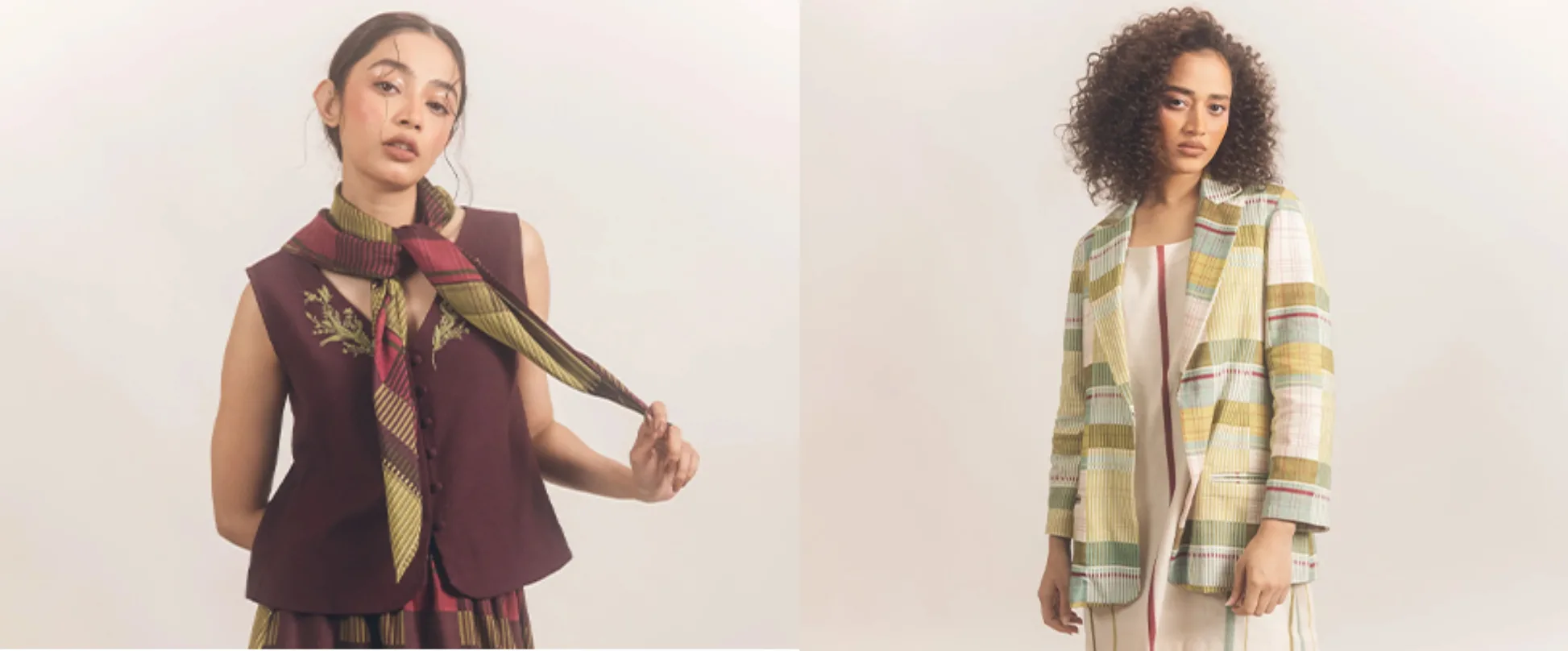
This season, relaxed and oversized silhouettes continue to lead in cotton fabric clothing. Wide-leg trousers, boxy tees, and relaxed-fit shirts are performing well across age groups. On the tailored end, structured cotton blazers and co-ord sets are growing in popularity, especially in women's fashion.
Color-wise, the market is split between two strong directions:
- Earthy and neutral tones: Terracotta, sand, moss green, and warm whites are driving steady sales across casualwear and lifestyle brands.
- Bold and saturated hues: Cobalt blue, cherry red, and bright yellow are gaining ground in statement pieces and seasonal collections.
Cotton fabric's natural dyeability makes it easier—and more affordable—to work with both palettes. Brands that stock across both directions are capturing a wider customer base.
What to do: Use sales data from the past two seasons to identify which color families perform best for your audience. Build your next cotton collection around those insights rather than guessing.
Supply Chain and Sourcing Strategies
Sourcing high-quality cotton fabric consistently is one of the biggest operational challenges for fashion businesses. Fluctuating commodity prices, climate impacts on cotton crops, and lead time delays can all disrupt production schedules.
A few strategies are helping brands manage these risks:
- Diversifying suppliers: Relying on a single supplier creates vulnerability. Working with two or three verified cotton fabric suppliers—across different regions if possible—gives you more flexibility.
- Working with local suppliers: Local and regional sourcing reduces lead times, lowers shipping costs, and makes quality control easier.
- Using established platforms: Online fabric marketplaces give businesses access to a wide range of cotton fabrics, verified supplier profiles, and bulk ordering options.
One supplier worth knowing is Fabriclore Pvt Ltd, a fabric supplier that operates both locally and online. Fabriclore offers an extensive range of cotton and cotton blend fabrics suitable for fashion brands at various price points, making it a practical option for businesses looking to source quality cotton fabric without the complexity of international procurement.
What to do: Audit your current supply chain. Identify single points of failure and start evaluating backup suppliers for your top-selling cotton fabric categories.
Marketing Cotton's Versatility and Comfort
Cotton has a strong built-in story—and most fashion brands are under-using it.
Consumers already associate cotton fabric with comfort, breathability, and everyday wearability. Your marketing job is to connect those qualities to your specific products. Here's how leading
brands are doing it:
- Fabric callouts in product descriptions: Clearly stating "100% cotton" or "GOTS-certified organic cotton" in product listings improves search visibility and builds buyer confidence.
- Content marketing: Blog posts, styling guides, and video content around cotton fabric clothing help brands rank for relevant search terms while educating their audience.
- Sustainability storytelling: If you're sourcing organic or ethically certified cotton, make that visible. Share supplier stories, certifications, and production process details on your website and social channels.
- Lifestyle imagery: Cotton fabric clothing performs well in natural, everyday settings. Use photography that reflects how your customers actually live—this increases relatability and drives engagement.
What to do: Update your product descriptions to include specific cotton fabric details. Then, build one piece of content per month around cotton—whether that's a blog post, a reel, or an email feature.
Staying Competitive Means Staying Informed
Cotton fabric clothing is not a static category. Consumer priorities, fabric technology, and supply chain dynamics are all shifting—and the brands that track these changes are the ones that grow.
The good news is that cotton remains one of the most accessible and adaptable materials in fashion. You don't need to overhaul your entire product line to stay relevant. Small, deliberate moves—better sourcing, smarter color choices, stronger marketing—add up to a meaningful competitive advantage over time.
Start with one section of this post and act on it. Then build from there.