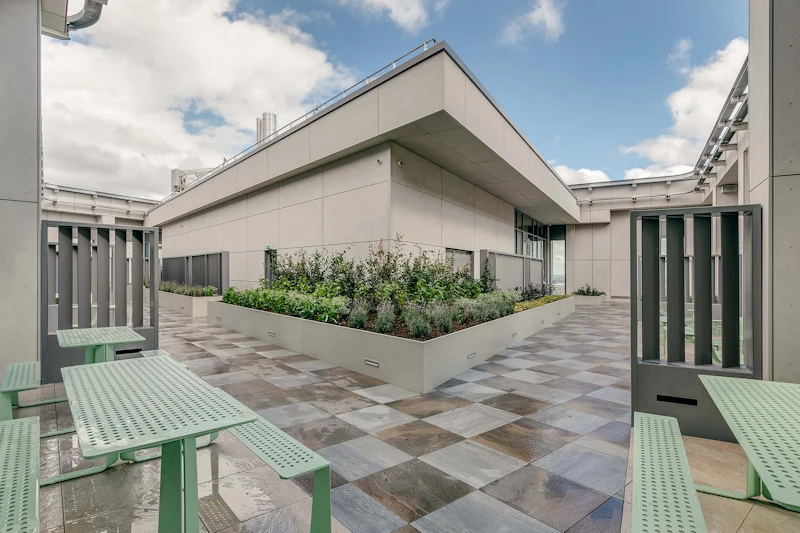

Gardening has always been a pursuit that blends functionality with aesthetics. From the earliest days of agriculture, humans have sought ways to cultivate plants in spaces that are both productive and visually appealing. In modern times, raised beds have become a popular solution for gardeners who want to maximize yield, improve soil quality, and create organized planting areas. Among the many materials available for raised beds, corten steel has emerged as a striking and durable option. Corten raised beds are not only practical but also bring a unique architectural presence to gardens, patios, and landscapes.
This article explores the concept of corten raised beds in depth, examining their benefits, design considerations, maintenance requirements, and the reasons why they have become a favorite among contemporary gardeners. By the end, you will have a comprehensive understanding of how corten raised beds can transform your gardening experience.
What Are Corten Raised Beds?
Corten steel, also known as weathering steel, is a group of steel alloys developed to eliminate the need for painting. When exposed to the elements, corten steel forms a stable rust-like appearance that acts as a protective layer. This patina prevents deeper corrosion and gives the steel its distinctive look. The material has been widely used in architecture, bridges, and outdoor sculptures due to its durability and aesthetic qualities.
Corten raised beds are garden beds constructed from corten steel panels. These beds are elevated above ground level, providing a contained space for soil and plants. The steel’s weathered finish creates a rustic yet modern appearance, making it a popular choice for landscape designers and homeowners who want their gardens to stand out.
Advantages of Corten Raised Beds
1. Durability
One of the most significant advantages of corten raised beds is their longevity. Unlike untreated steel, corten develops a protective oxide layer that resists further corrosion. This means the beds can withstand rain, snow, and varying temperatures without deteriorating quickly. While wooden raised beds may rot over time and plastic alternatives may crack, corten steel remains structurally sound for decades.
2. Aesthetic Appeal
Corten raised beds are visually striking. The warm, earthy tones of the steel complement natural surroundings, blending seamlessly with greenery, flowers, and soil. The patina evolves over time, giving each bed a unique character. This dynamic appearance adds depth and personality to outdoor spaces, making corten raised beds not just functional but also artistic.
3. Low Maintenance
Once the protective patina has formed, corten steel requires minimal upkeep. Unlike painted or treated materials, there is no need for regular sealing, staining, or repainting. Gardeners can enjoy the benefits of raised beds without worrying about constant maintenance.
4. Structural Integrity
Corten steel is strong and rigid, allowing raised beds to hold large volumes of soil without bowing or collapsing. This makes them ideal for deep-rooted plants, shrubs, and even small trees. The structural integrity ensures that the beds maintain their shape and functionality over time.
5. Sustainability
Corten raised beds are environmentally friendly in several ways. The steel is recyclable, and its long lifespan reduces the need for frequent replacements. Additionally, raised beds themselves promote sustainable gardening practices by improving soil management, reducing erosion, and conserving water.
Design Considerations
When planning corten raised beds, several factors should be taken into account to ensure both functionality and aesthetics.
Size and Shape
Corten raised beds can be customized to fit different spaces. Rectangular beds are common, but square, circular, or irregular shapes can add variety. The size should be determined by the available space, the types of plants being grown, and ease of access. Beds that are too wide may make it difficult to reach the center, while overly narrow beds may limit planting options.
Height
The height of corten raised beds influences both plant growth and gardener comfort. Taller beds reduce the need for bending, making them ideal for individuals with mobility issues. They also allow for deeper soil layers, which benefit root development. However, taller beds require more soil, which can increase costs.
Placement
Location is critical. Corten raised beds should be placed in areas with adequate sunlight, depending on the plants being cultivated. Drainage should also be considered, as waterlogged soil can harm plants. Since corten steel develops its patina through exposure to moisture and air, outdoor placement is essential.
Integration with Landscape
Corten raised beds can be used as standalone features or integrated into larger landscape designs. They pair well with stone pathways, wooden decks, and gravel surfaces. Designers often use them to create geometric patterns or to delineate different garden zones.
Installation Process
Installing corten raised beds involves several steps:
- Planning and Measurement
- Determine the dimensions and layout of the beds. Consider accessibility, spacing between beds, and alignment with other garden features.
- Site Preparation
- Clear the area of debris, weeds, and uneven surfaces. Level the ground to ensure stability.
- Assembly
- Corten steel panels are typically bolted or welded together to form the bed structure. Prefabricated kits are available for easier installation.
- Soil Filling
- Once assembled, the beds should be filled with high-quality soil. A mix of compost, topsoil, and organic matter provides the best environment for plant growth.
- Planting
- After filling, the beds are ready for planting. Gardeners can choose vegetables, herbs, flowers, or ornamental plants depending on their preferences.
Maintenance and Care
Although corten raised beds are low maintenance, a few practices can extend their lifespan and keep them looking their best.
- Patina Development: The protective layer may take several months to form. During this period, the steel may appear uneven. Patience is key, as the final patina will be consistent and attractive.
- Soil Contact: Continuous contact with moist soil can accelerate corrosion. To mitigate this, some gardeners line the interior with a barrier such as heavy-duty plastic or landscape fabric.
- Cleaning: Occasional rinsing with water can remove dirt and debris. Harsh chemicals should be avoided, as they may interfere with the patina.
- Inspection: Regularly check for structural issues, especially at joints and seams. Addressing minor problems early prevents larger issues later.
Potential Drawbacks
While corten raised beds offer many benefits, they are not without limitations.
- Cost: Corten steel is more expensive than wood or plastic. The initial investment may be prohibitive for some gardeners.
- Weight: The material is heavy, making installation more labor-intensive. Moving or repositioning beds after installation can be difficult.
- Heat Retention: Steel absorbs heat, which can raise soil temperatures. While this may benefit some plants, it can stress others, particularly in hot climates.
- Rust Runoff: During the patina formation, rust runoff may stain nearby surfaces such as concrete or stone. Proper placement and planning can minimize this issue.
Why Choose Corten Raised Beds?
Despite the drawbacks, corten raised beds remain a compelling choice for many gardeners. Their combination of durability, beauty, and functionality makes them stand out among other materials. For those who view gardening as both a practical and artistic endeavor, corten raised beds provide the perfect balance.
They are particularly well-suited for modern and minimalist landscapes, where clean lines and industrial materials are celebrated. At the same time, their earthy tones allow them to blend into rustic or natural settings. This versatility ensures that corten raised beds can enhance a wide range of garden styles.
Practical Applications
Corten raised beds can be used in various settings:
- Urban Gardens: In city environments where space is limited, corten raised beds provide organized planting areas that add visual interest to rooftops, balconies, and courtyards.
- Community Gardens: Their durability makes them ideal for shared spaces, where multiple individuals tend to plants.
- Educational Gardens: Schools and institutions can use corten raised beds to teach students about gardening, sustainability, and design.
- Residential Landscapes: Homeowners can incorporate corten raised beds into backyards, patios, or front gardens to create focal points and improve plant cultivation.
Conclusion
Corten raised beds represent a fusion of practicality and artistry in gardening. Their durability ensures long-term use, while their evolving patina adds character and beauty to outdoor spaces. Although they require a higher initial investment, the benefits they provide in terms of aesthetics, sustainability, and functionality make them a worthwhile choice for serious gardeners and landscape designers.
By carefully considering design, placement, and maintenance, corten raised beds can become a transformative element in any garden. They embody the idea that gardening is not just about growing plants but also about creating spaces that inspire and delight. For those seeking a raised bed solution that stands the test of time while enhancing the visual appeal of their surroundings, corten raised beds are an exceptional option.