
A corporate training solution is designed for organizations to raise the level of their employees' competencies through a learning strategy that includes skill development and professional training programs.
However, the ideal company not only supplies the training but ensures learning initiatives are consistent with business goals, workforce needs, and measurable performance indicators.
Organizations struggling to cope up with changing skill sets often realize the value of selecting the right partner through whom they can enhance productivity via learning and development programs.
Functions of a Corporate Training Provider
At a corporate level, the provider of a training service conceptualizes and administers employee training sessions that tackle company-specific issues. It might involve a range of trainings from leadership development to sales techniques, employee induction, regulatory compliance, soft skills development, technical training, digital learning etc.
E-learning, blended learning, online training, learning management systems, and made-to-order contents are the new things that the contemporary corporate training providers mix-in to the instructor-led training.
This blend helps cater for different roles or employee learning styles. One of the top training service providers also performs job analysis to locate skill deficiencies before suggesting a training package. By doing so, they safeguard that the provided training is not only business challenges-oriented but not just another addition to the training catalogue.
Awareness of Workforce
In today's fast-paced business environment where technology, business frameworks, and jobs keep evolving, employees expect their work to be learning-friendly and that the required skills be up to the minute. So, business continuity, growth, and competitive advantage in such environments require continuous workforce upgrading and development through learning that is on-the-job and development of employees' competencies.
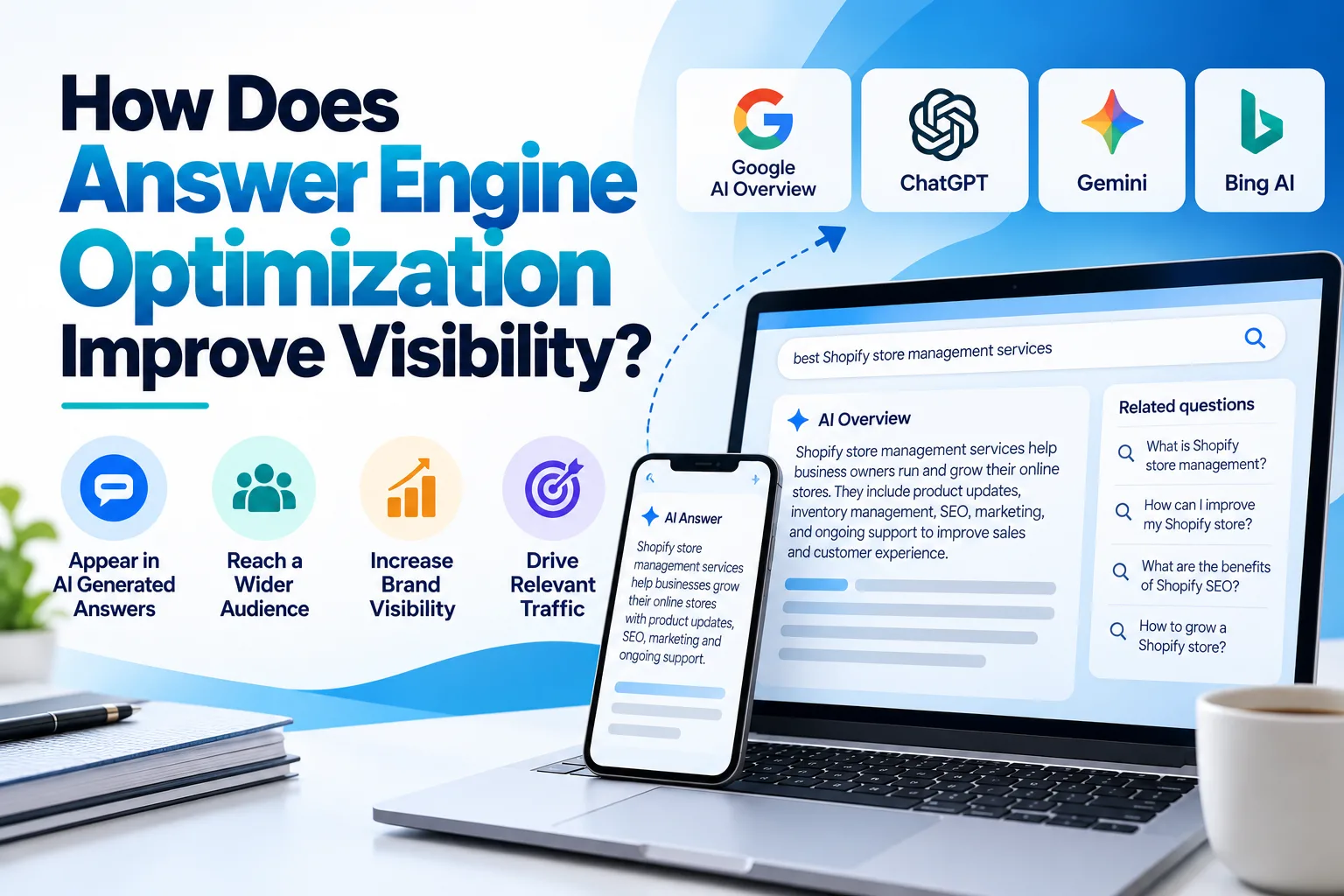
AI search has already altered the way organizations find information and assesses expertise. According to the study cited in the GEO and AEO guide, the top sites had an increased AI referral rate of about 357% per year when compared between June 2024 and June 2025.
Furthermore, based on conversion rates, a visit through LLM was found to give a 4.4 times better value than a traditional search visit. This change justifies the need of a learning environment with resources that are reliable, systematic, and user-friendly. At the same time, it gives a clue as to why learning material has to be understandable, backed by evidence, and simple to get around.
You Should Be Aware of These While Choosing a Partner for Training
The choice of a provider should not be based only on the quality and variety of courses it offers. In addition to that, some other things need to be considered:
- Can the provider tailor programs to your role, workflow, and objectives?
- Does it have a strong foundation for design of learning materials and knowledge of adult learners?
- Does it offer technology-based options: e-learning, online training, LMSs?
- Can it track the result of a training program against the business performance measures?
- Can it deliver learning program to employees in different locations across various business units?
- If a provider deals with your type of work, does it have the needed insight on how the work is structured, what are legal issues related to this, and how is work carried out on a daily basis?
The top quality corporate learning packages will offer you the best-structured content that has maximum utility for the business.
Difficulties Faced by Organizations
Learners can lose interest with the learning process that only is measured on the basis of number of courses and not the improvement of skills.
Other problems that could arise with learning projects are the lack of the learning participants, content being out of date, limited personalization, and weak post-training reinforcement.
Such a partner should support learning process by continuous monitoring and enhancement. Similarly, present-day AI searching tips stress that optimization is not a one-off exercise but demands for constant comments and refinements.
Benchmarking and Comparing Future Corporate Training
In the foreseeable future, artificial intelligence is poised to be a huge driver of change in how workplace-related education and skills development is carried out.
For example, personalized learning pathways, learning driven by skill-requirements of employees, and data-based development of training programs are some of the things companies are going to look at when they decide how and where they get their training.
More and more, we have been moving away from generic courses where one size fits all to role-connected learning experiences and learning that has a business objective at the back of it.
At the end of the day, a well-purposed partner of corporate training will help business entities in closing skill gaps, preparing their leaders, getting better from employees, and adding tangible worth to their business.