
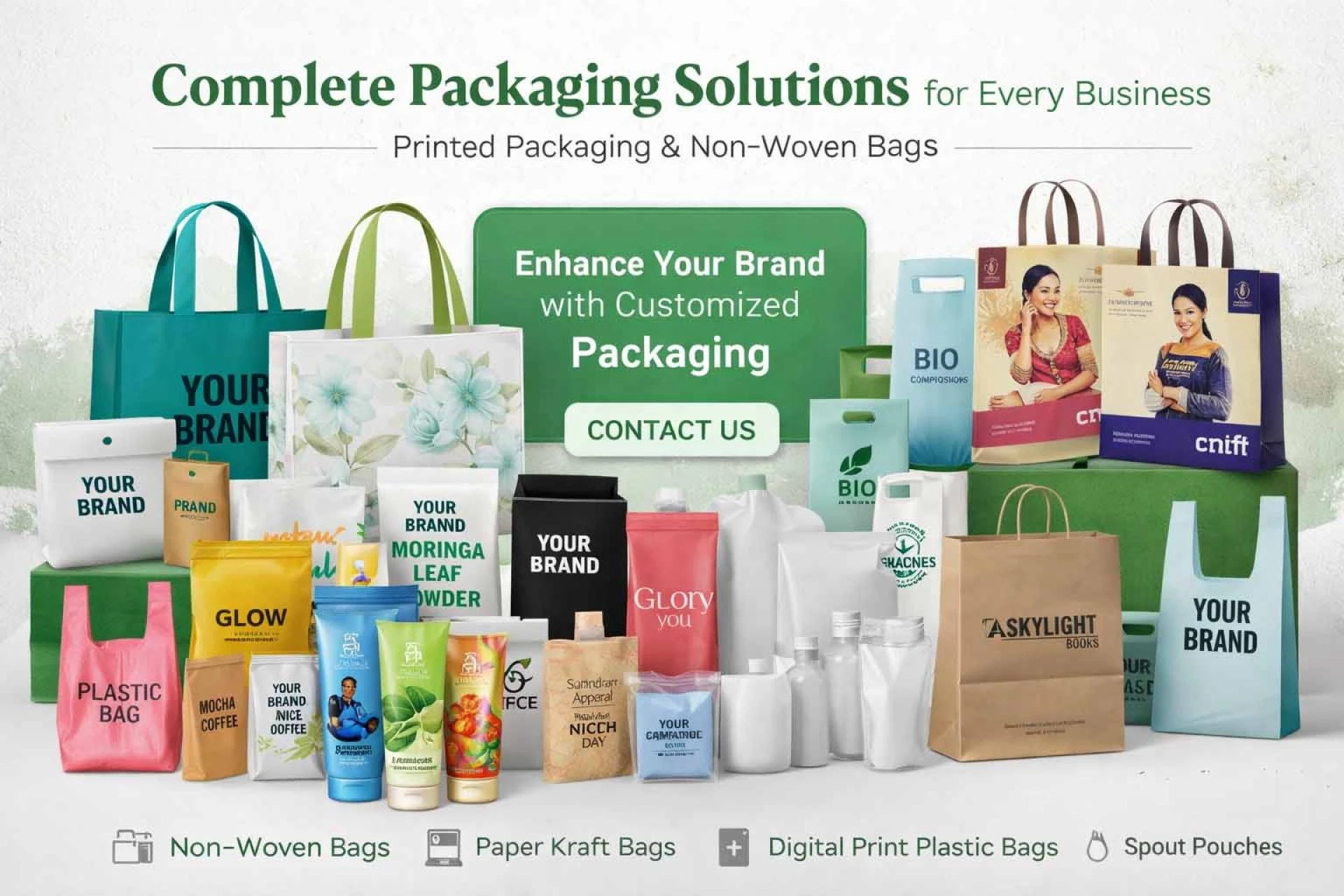
You see packaging bags everywhere. In retail stores. In supermarkets. In boutique outlets. In e commerce shipments. These bags do more than carry items. They shape your brand. They influence customer trust. They impact the environment.
I have worked with businesses that treated packaging as an afterthought. They later realized their Bag choice changed customer perception, spending habits, and long term cost savings. The shift from traditional plastic to eco friendly alternatives often starts with one question. What do your customers expect?
Today, regulatory pressure is rising. Consumer awareness is stronger. Businesses must align packaging with sustainability, compliance, and performance. Let us look at this from a corporate angle, where scale, reliability, and global delivery matter.
Corporate Packaging Bags Solutions Worldwide
Corporate buyers face complex demands. Regulatory rules differ across regions. Officials enforce strict regulations on single use plastics. Businesses must comply while keeping cost under control.
Large companies adopt sustainable practices to reduce waste and landfill contributions. They focus on circular economy initiatives. They measure carbon footprints. They train employees to understand compliance and safety standards.
From my experience, corporate packaging bags solutions worldwide work best when they balance three things:
- Compliance with legal standards
- Cost control in bulk ordering
- Brand recognition across markets
Global companies compare materials before making decisions. They look at durability, reusability, weight, and price. They assess functionality for shipping, storage, and retail display.
They also analyze the environmental impact. Can the bag biodegrade? Is it recyclable at curbside recycling facilities? Does it support eco conscious purchases?
Corporate procurement teams now demand:
- Certified materials
- Supplier trustworthiness
- Consistency in production runs
- Reliable service and efficient delivery
A company that extrudes, converts, and prints polyethylene film must also show transparency in the manufacturing process. Flexible packaging requires precision in extrusion and quality control.
When I guided a client through supplier selection, we reviewed certifications, client reviews, and product samples. We checked compliance documents. We discussed production timelines and order flexibility. That process reduced risk and improved reliability.
Corporate solutions today must be customizable, scalable, and compliant.
Regulatory Compliance and Sustainable Practices
Regulatory frameworks push companies to rethink plastic materials. Many regions restrict single use plastics. Businesses that ignore regulations face penalties and damage to reputation.
Sustainable packaging bags strategies focus on:
- Waste reduction
- Adoption of recyclable and compostable materials
- Switching to biodegradable polymers
- Supporting recycling participation
Companies invest in plastic free alternatives such as paper bags, non woven bags, and compostable pouches. They use soy based inks and water based inks for printing. They choose tape and tissue sourced from responsible sources.
I have seen retailers shift from rigid plastic products to flexible packaging made from polyethylene film designed for reuse. This shift reduced carbon impact and improved brand image.
Officials and environmental bodies expect companies to:
- Comply with legal requirements
- Report sustainability goals
- Reduce landfill contributions
- Minimize packaging weight
Lightweight materials reduce shipping emissions. Inflatable air pillows and padded mailers protect items while lowering weight. That balance protects products and reduces carbon footprints.
Sustainability is not only ethical. It is a business solution that builds loyalty among environmentally aware shoppers.
Customization, Branding, and Product Identity
Packaging shapes product identity. Corporate buyers no longer want generic bags. They want custom designed packaging that reflects brand ethos.
Customized packaging strengthens:
- Brand recognition
- Market appeal
- Aesthetic uniqueness
- Customer loyalty
A simple logo, specific color scheme, and custom sizes can transform a basic bag into a marketing tool. Corporate giveaways, promotional materials, and merchandise rely on visually appealing packaging.
In retail settings, boutiques use beautiful reusable bags that customers choose to reuse. That repeated use becomes advertising. It enhances product experience and builds positive relations.
For cosmetics and food brands, zipper and zippered pouches offer functionality and convenience. They keep perishable goods fresh. They allow storage and reuse. They improve consumer satisfaction.
Customization includes:
- Size based on product weight
- Material selection for durability
- Printing with water based inks
- Custom production runs
A reliable partner that extrudes, converts, and prints polyethylene film can offer tailored services. Quick turnaround and fast service ensure packaging delivery aligns with production schedules.
Innovation in packaging technology now allows companies to create personalized wrapping that matches niche markets. That uniqueness drives purchases.
Material Comparison and Eco Friendly Options
Material comparison guides smart choices. Businesses analyze cost, durability, and environmental impact.
Common options include:
- Polyethylene flexible packaging
- Non woven reusable bags
- Paper bags
- Compostable and biodegradable polymers
Polyethylene film offers flexibility and strength. It supports lightweight shipping. It works well for padded mailers and protective bubble cushion packaging.
Paper is moderately priced and recyclable. It appeals to eco conscious shoppers. Compostable bags made from biodegradable polymers can biodegrade under proper conditions. These options suit niche markets focused on sustainability.
In supermarkets and retail outlets, reusable bags provide long term cost savings. Customers pay a small price and reuse the bag multiple times. That reduces waste and supports circular economy goals.
I once compared traditional plastic to compostable alternatives for a food retailer. The initial price was higher. Yet long run savings appeared through increased loyalty and positive brand reputation.
Companies must evaluate:
- Product type
- Weight and storage needs
- Shipping distance
- Environmental goals
The right choice balances affordability, durability, and compliance.
Manufacturing Process and Quality Assurance
Behind every packaging bag lies a detailed manufacturing process. Companies that extrude, convert, and print plastic materials must control each stage.
Extrusion shapes polyethylene into film. Converting transforms film into types of bags. Printing adds branding using water based or soy based inks.
Specialized production ensures:
- Consistency in packaging runs
- Custom sizes
- Flexible production for bulk orders
- Efficient service and reliable delivery
Quality assurance involves certifications, safety checks, and compliance audits. Packers inspect materials before shipping. They ensure products meet legal and regulatory standards.
Corporate buyers expect:
- Clear production timelines
- Order flexibility
- Efficient delivery
- Supportive customer service
From my experience, reliable service reduces stress in supply chains. Late packaging delivery can delay product launches. Fast service and quick turnaround protect revenue.
Specialized service also includes customized packaging solutions for different industries such as groceries, cosmetics, and e commerce.
Retail, E Commerce, and Customer Experience
Retailers and supermarkets depend on attractive packaging to influence purchases. Shoppers often judge quality by presentation.
Reusable bags for groceries support convenience and sustainability. Zippered pouches store perishable items safely. Padded mailers and inflatable air pillows protect expensive items during shipping.
E commerce brands rely on flexible packaging options. They need protective yet lightweight materials. They seek plastic free or recyclable options to appeal to environmentally conscious customers.
Creative packaging enhances product experience. It builds emotional connection. It supports advertising and promotional campaigns.
Retail strategies now include:
- Encouraging reuse
- Promoting recycling participation
- Offering bulk ordering discounts
- Sharing sustainability initiatives
When customers see a company committed to sustainability, they feel confident in their choices. That confidence increases spending and loyalty.
Building Long Term Business Solutions
Corporate packaging bags strategies require focus on future goals. Businesses invest in innovation and packaging technology to stay competitive.
Adopting sustainable and customizable solutions offers:
- Potentially lower long term cost
- Reduced carbon footprints
- Improved reputation
- Stronger client relations
Partner selection plays a critical role. Choose certified suppliers with reliable service. Review samples. Study case studies. Assess trustworthiness and consistency.
A committed partner that supports custom production, tailored solutions, and specialized production helps fulfill packaging needs across markets.
Corporate packaging bags solutions worldwide demand more than simple wrapping. They require strategic investment, compliance awareness, and a clear understanding of customer preferences.
When you treat packaging as part of your business identity, you build positive impact on the planet and secure your place in competitive markets.