
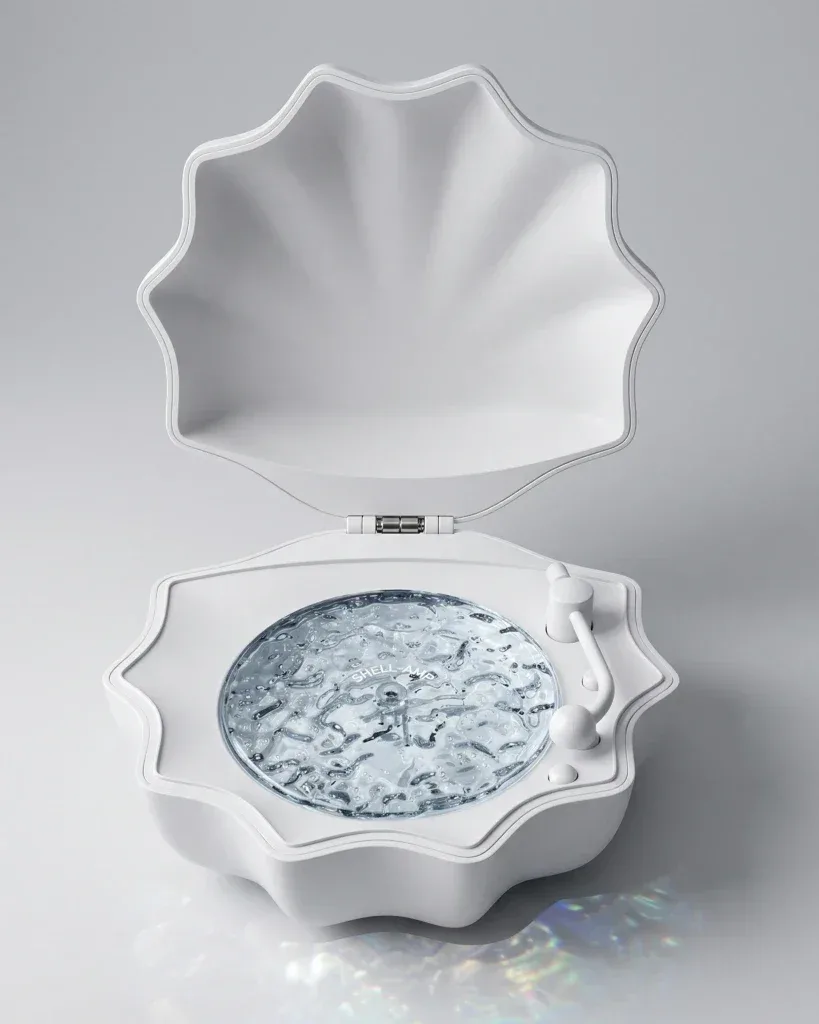
Bedtime shouldn't come with a safety checklist. But if you're raising a sensory seeker, a child with autism, or a kid who simply needs the room to feel right before they'll settle, the night light you choose matters more than you'd think. Not every glowing gadget on the shelf is built with a child's nervous system or their curious hands in mind.
Here's what actually separates a genuinely safe children's night lamp from one that just looks nice in product photos.
Why "Safe" Means More Than Just "Not Sharp"
When parents search for a safe night light, most think of obvious hazards: hot bulbs, breakable glass, and choking-hazard parts. But for sensory-sensitive kids, safety runs deeper. A lamp that overstimulates with harsh light, makes unpredictable sounds, or has a cord snaking across the floor isn't just inconvenient; it can actively work against the calm you're trying to create.
The Cord Problem Nobody Talks About
Trailing wires near a bed are a classic tripping and tangling hazard, especially for kids who move around at night or share a room with a younger sibling. A cordless, USB-rechargeable design solves this at the source charge it during the day, then place it wire-free on a nightstand, inside a calm-down corner, or even directly on the bed. This is exactly the approach behind the Auteeze Sea Harmony Shell Lamp, which runs on an internal rechargeable battery so there's nothing to trip over once the lights go down.
Material Safety: What "BPA-Free" Actually Protects Against
BPA-free isn't just a marketing checkbox. It means the plastic won't leach chemicals linked to hormone disruption, a genuinely important consideration for a device your child will touch, hold, and sometimes chew on for years. Look for non-toxic PC+ABS construction, which is impact-resistant enough to survive being dropped, squeezed, or carried around the house by enthusiastic little hands.
Heat Resistance Matters More Than You'd Expect
Many night lights run for six, eight, even ten hours a night. If the housing heats up over that time, it becomes an uncomfortable or unsafe object to touch in the dark, particularly for children who reach for it as a grounding or tactile tool. A well-engineered lamp stays cool to the touch throughout the night, no matter how long the white noise or projection has been running.
Light Quality: The Detail Most Parents Miss
Not all "warm" light is equal. Blue-toned or overly bright LEDs can suppress melatonin production, working against the very sleep cycle you're trying to protect. A 3500K warm white LED, by contrast, mimics the natural tone of a sunset, comforting enough to ease fear of the dark without disrupting circadian rhythm. If a lamp offers adjustable color modes, even better: it lets you fine-tune brightness for a child who's a sensory seeker one night and sensitive to stimulation the next.
Portable by Design, Not by Accident
“Portable” doesn't just mean small; it means the lamp travels well without losing function. A compact, lightweight shell (roughly palm-sized, like the Shell Lamp's 85 mm x 166 mm footprint) means the same calming ritual can move from the bedroom to Grandma's house to a hotel room without missing a beat. For families building a broader sensory bedding Australia routine weighted blankets, tactile pillows, and a consistent lighting cue a lamp that travels easily keeps that routine intact wherever the child sleeps.
Interactive, Not Just Decorative
The best sensory-safe lamps give a child something to do, not just something to look at. A movable tonearm, an opening shell, or a twist dial for sound tracks gives kids a small, predictable, self-directed task right before sleep, turning the lamp into part of the wind-down ritual rather than passive background noise.
Quick Checklist Before You Buy
- Cordless and USB-rechargeable (no trailing wires)
- BPA-free, non-toxic, impact-resistant shell
- Stays cool to the touch after hours of use
- Warm 3500K light with zero blue-light disruption
- Compact and portable for travel or sleepovers
- Offers a tactile or interactive element for grounding