
Copper Bonded Coil Earthing
Copper Bonded Coil Earthing is an advanced grounding solution designed to provide low-resistance, long-lasting earthing for electrical systems. Proper earthing is essential for protecting human life, electrical equipment, and infrastructure from the damaging effects of electrical faults, short circuits, and lightning strikes. Copper bonded coils combine the conductivity of copper with the strength of steel, ensuring both durability and high performance in earthing applications.
What Is Copper Bonded Coil Earthing?
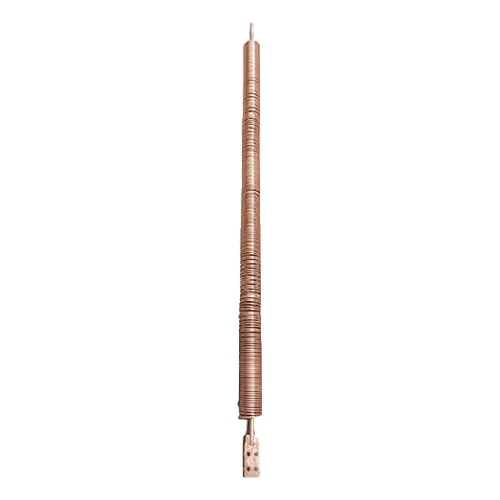
Copper bonded coil earthing involves the use of mild steel rods or wires coated with a thick layer of electrolytic copper. These coils are buried in the ground and connected to the electrical system, providing a reliable path for fault currents to safely dissipate into the earth. The unique bonding of copper ensures superior conductivity, corrosion resistance, and extended service life compared to traditional earthing methods.
Importance of Copper Bonded Coil Earthing
Reliable earthing is crucial for electrical safety, system performance, and equipment protection. Copper bonded coil earthing offers multiple advantages:
- Enhanced Safety: Protects people from electric shocks during system faults.
- Equipment Protection: Safeguards sensitive electrical and electronic devices from voltage surges and transient currents.
- System Stability: Ensures a stable reference point for electrical systems, improving overall efficiency.
- Lightning Protection: Acts as a key component in lightning protection systems by safely conducting lightning currents into the ground.
The combination of copper and steel makes copper bonded coils highly resistant to soil corrosion, ensuring long-term reliability even in harsh environmental conditions.
Types of Copper Bonded Coil Earthing
Copper bonded coil earthing systems can be customized depending on soil type, electrical load, and environmental conditions. Common types include:
1. Copper Bonded Steel Rods in Coil Form
These rods are wound into coils for easy transportation and installation. They provide the dual benefit of mechanical strength and high electrical conductivity.
2. Continuous Copper Bonded Coils
Long lengths of copper bonded wire or rod are coiled for convenient installation in deep earthing pits or trenches. They are ideal for industrial, commercial, and high-voltage applications.
3. Specialized Coils for Poor Soil Conditions
In areas with low soil conductivity, specially treated copper bonded coils can be installed with chemical enhancers to achieve optimal earth resistance.
Key Features of Copper Bonded Coil Earthing
- Superior electrical conductivity and low resistance
- Corrosion and rust resistance for extended lifespan
- Flexibility for easy installation in different configurations
- High mechanical strength for durability in harsh conditions
- Minimal maintenance requirements
These features make copper bonded coil earthing the most reliable choice for industrial, commercial, and residential grounding systems.
Applications
Copper bonded coil earthing is used across a wide range of sectors:
- Power stations, substations, and electrical grids
- Industrial plants and manufacturing facilities
- High-rise commercial and residential buildings
- Telecommunication towers and data centers
- Lightning protection systems
- Renewable energy installations such as solar and wind farms
With the increasing demand for reliable and maintenance-free earthing solutions, copper bonded coil systems have become the preferred choice for engineers and safety professionals.
Copper Bonded Coil Earthing provides a dependable, long-lasting, and efficient solution for grounding electrical systems. Its excellent conductivity, corrosion resistance, and mechanical strength ensure optimal performance even in challenging environmental conditions. By investing in high-quality copper bonded coil earthing, organizations can safeguard human life, protect valuable equipment, and maintain system reliability. A properly installed copper bonded coil earthing system is a critical component in modern electrical safety and lightning protection infrastructure.