
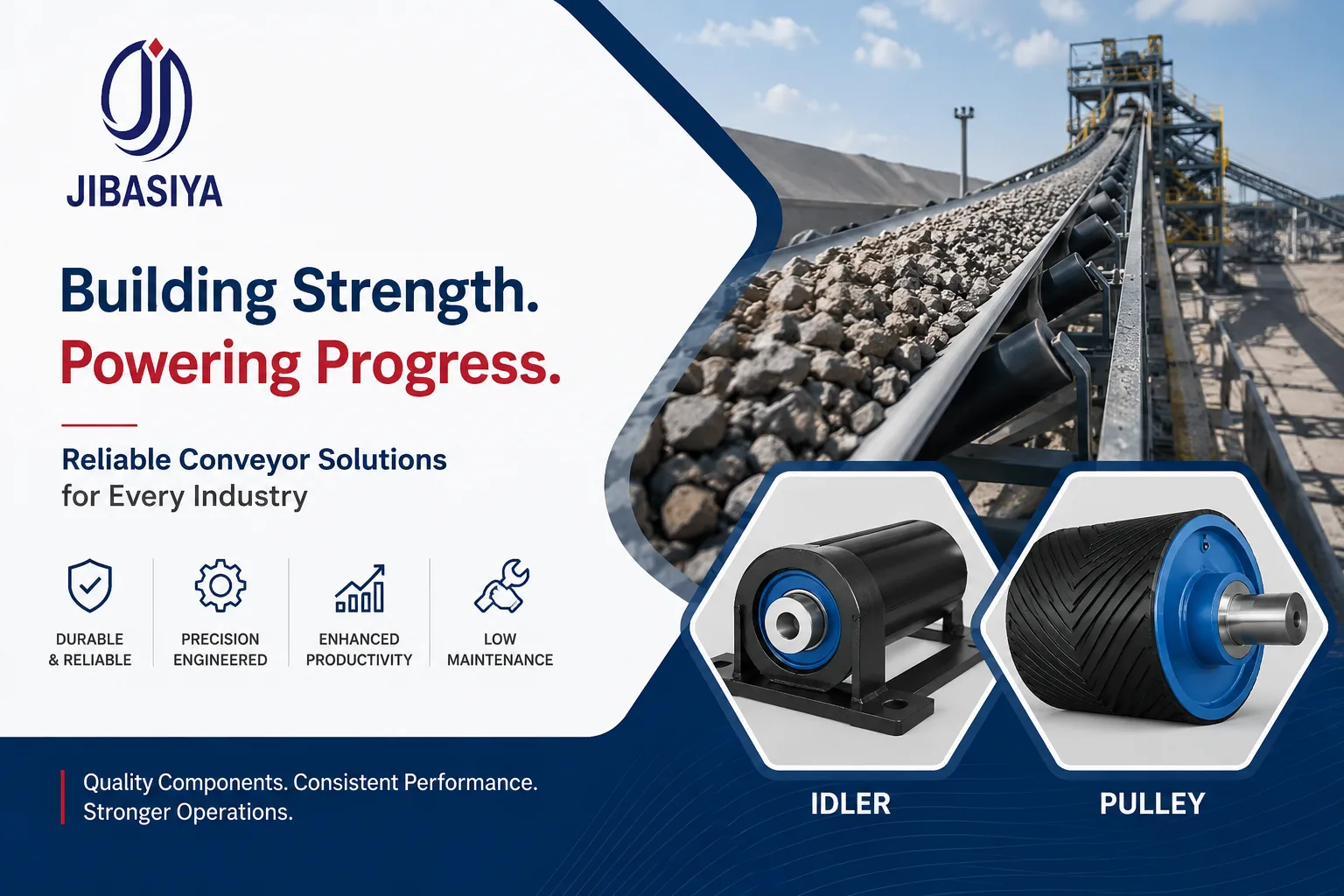
Industries today depend on efficient material handling more than ever before. Whether it's a mining operation moving raw materials, a warehouse sorting products, or a manufacturing facility managing production flow, smooth transportation systems are essential. This is where Conveyor belt manufacturers play an important role in supporting industrial operations.
Material movement may appear simple from the outside, but behind every efficient process there is a carefully designed conveyor system. Delays in transporting materials can affect production schedules, increase operational costs, and create bottlenecks across departments. A reliable conveyor setup helps businesses maintain consistency and improve workflow throughout their facilities.
The role of Conveyor belt manufacturers extends beyond supplying belts. They contribute to the development of systems that are suited to different operating conditions and industrial requirements. Every industry has unique challenges. A cement plant handles heavy and abrasive materials, while logistics centres focus on continuous movement and sorting efficiency. Because of this, conveyor solutions are often tailored to specific applications.
One of the major advantages of conveyor systems is their ability to support continuous operations. Materials can move steadily from one stage of production to another without unnecessary interruptions. This helps organisations manage workloads more effectively and reduce dependency on manual transportation methods. The result is often a smoother and more organised production environment.
Durability remains a key factor when selecting conveyor equipment. Industrial environments can be demanding. Dust, moisture, heavy loads, and long operating hours all place stress on conveyor systems. For this reason, Conveyor belt manufacturers focus on developing products capable of handling these conditions while maintaining reliable performance over time.
Of course, even the most durable systems require proper maintenance. Conveyor components experience natural wear during regular operation. Routine inspections help identify potential issues before they develop into larger problems. A proactive maintenance approach often contributes to longer equipment life and fewer unexpected shutdowns.
Another area where conveyor systems provide value is workplace safety. Manual material handling can create risks, particularly when employees are required to move heavy or repetitive loads throughout a facility. Conveyor systems help reduce these challenges by creating a structured and controlled transportation process. They do not eliminate the need for human oversight, but they can reduce unnecessary physical strain.
Technology has also influenced the way modern conveyor systems are designed and operated. Many industrial facilities now integrate conveyors with automated production lines, sensors, and monitoring systems. These technologies allow operators to track performance and identify maintenance requirements more efficiently. As automation becomes more common, dependable conveyor systems become even more important.
Conveyor belt manufacturers continue adapting to these industry changes by focusing on performance, durability, and operational compatibility. Businesses are increasingly looking for solutions that fit into long-term productivity strategies rather than simply addressing immediate requirements. This shift has encouraged greater attention to quality, efficiency, and system integration.
Environmental considerations are becoming part of industrial decision-making as well. Organizations are paying closer attention to equipment lifespan and resource efficiency. Conveyor systems that remain operational for longer periods can contribute to reduced material waste and lower replacement frequency. While sustainability goals differ between industries, durable equipment is generally viewed as a practical advantage.
Selecting the right conveyor solution involves evaluating several factors. Material type, load capacity, operating conditions, conveyor length, and maintenance requirements all influence system performance. Understanding these factors helps businesses make informed decisions that support operational objectives and long-term reliability.
In many ways, conveyor systems form the backbone of modern material handling. They help products, raw materials, and components move efficiently through different stages of production and distribution. Without dependable transportation systems, maintaining productivity would be far more challenging.
As industries continue to evolve, the contribution of Conveyor belt manufacturers remains significant. Their expertise supports efficient material flow, improved workplace organization, and reliable production processes. While conveyor systems often operate quietly in the background, their role in keeping industrial operations moving forward should not be underestimated.