Control panel building is a critical process in the world of industrial automation, serving as the foundation for effective machine and system control. Whether for manufacturing, energy, HVAC, water treatment, or logistics, control panels enable seamless communication between machines, sensors, and operators, ensuring that complex systems run safely and efficiently.
At its core, control panel building involves the design, assembly, wiring, and testing of custom electrical panels that manage electrical power and control logic. As industries become more automated and data-driven, the demand for high-quality control panels tailored to specific operations has grown significantly. In this article, we’ll explore the key aspects of control panel building, its benefits, applications, and why partnering with experienced professionals like Xautomationllc.com is crucial to achieving automation success.
What is Control Panel Building?
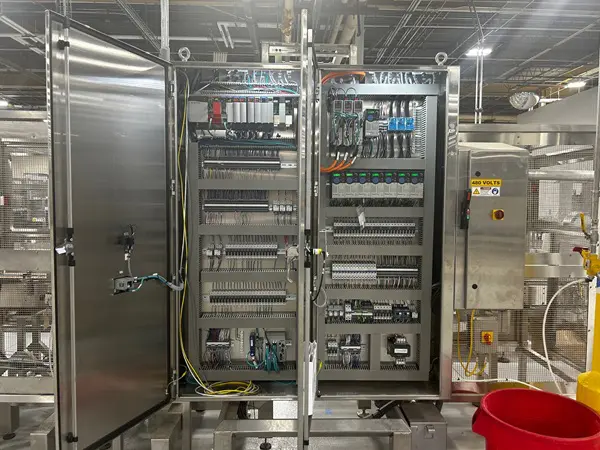
Control panel building refers to the creation of customized electrical panels that house components such as circuit breakers, relays, power supplies, PLCs (Programmable Logic Controllers), and HMIs (Human-Machine Interfaces). These components are arranged and wired to control motors, lighting, pumps, machinery, and more—all in a way that’s safe, efficient, and compliant with industry regulations.
The building process is meticulous and requires deep technical knowledge of electrical standards (like UL 508A, NEC, or IEC), system architecture, and application-specific requirements. A well-built control panel ensures reliable performance, ease of maintenance, and the flexibility to scale or modify as needed.
The Control Panel Building Process
The construction of a control panel follows a detailed, structured approach:
- Initial Consultation and Design
- The process begins with understanding the client’s needs. Control panel builders gather information about the equipment, environment, and operational goals to create a custom solution. CAD software is used to generate detailed panel layouts and wiring diagrams.
- Component Selection
- Based on the application, builders choose appropriate components—PLCs, contactors, fuses, terminal blocks, relays, and more. The goal is to optimize both function and space while ensuring compatibility and future expandability.
- Panel Fabrication and Assembly
- The enclosure is selected based on size, material, and environmental protection needs (such as NEMA or IP ratings). Components are mounted, wired, labeled, and organized for safety and clarity. Proper cable management is essential for airflow, safety, and troubleshooting.
- Wiring and Testing
- Wiring is done according to the schematics, and each connection is verified. The panel then undergoes electrical and functional testing to ensure everything operates as intended, including simulating system inputs and outputs.
- Quality Assurance and Certification
- Before delivery, panels are reviewed for compliance with safety and performance standards. Builders ensure the panel meets local codes, safety certifications, and any client-specific documentation needs.
- Installation and Support
- Once completed, the control panel is shipped and installed on-site. Builders like Xautomationllc.com also offer commissioning, troubleshooting, and maintenance support.
Benefits of High-Quality Control Panel Building
Investing in professionally built control panels offers a wide range of benefits:
- Reliability: Durable components and clean wiring reduce the risk of failure and improve uptime.
- Safety: Panels are built to code and designed with protective features to prevent electrical hazards.
- Customization: Each panel is tailored to the specific application, improving performance and integration.
- Efficiency: Automated control reduces manual intervention, speeding up operations.
- Troubleshooting Made Easy: Proper labeling and organized layout make diagnosing issues faster.
- Scalability: Custom-built panels allow for future upgrades or system expansions.
Industries That Depend on Control Panel Building
Custom control panels are vital in many industries, including:
- Manufacturing: Managing production lines, robotic systems, and machine tools.
- Water/Wastewater: Controlling pumps, valves, and chemical dosing systems.
- Energy: Monitoring power distribution, generators, and renewable energy sources.
- HVAC and Building Automation: Regulating environmental controls in commercial facilities.
- Logistics and Material Handling: Automating conveyors, sorters, and packaging systems.
No matter the industry, reliable control panel building ensures that equipment operates smoothly, safely, and efficiently.
Why Choose Xautomationllc.com for Control Panel Building?
When it comes to control panel building, quality, expertise, and service matter. Xautomationllc.com stands out as a leader in the automation industry, providing fully customized control panels designed to meet the specific needs of each client.
Here’s why they’re a top choice:
- Tailored Solutions: No one-size-fits-all panels. Each project is designed based on your unique requirements.
- Certified Quality: All panels are built to meet or exceed industry standards for safety and performance.
- Comprehensive Services: From design and build to installation and support, they offer turnkey solutions.
- Experienced Engineers: Their team brings years of hands-on knowledge in a wide range of industries and technologies.
- Customer-Centric Approach: Fast turnaround, open communication, and reliable support set them apart.
Whether you're modernizing an existing facility or launching a new system, Xautomationllc.com provides the control panel expertise you need to bring your automation vision to life.
Conclusion
Control panel building plays a vital role in every successful industrial automation project. A well-designed and precisely built panel ensures your systems run efficiently, safely, and reliably, minimizing downtime and maximizing productivity.
For businesses seeking long-term automation success, partnering with a trusted expert like Xautomationllc.com ensures that your control panels are more than just enclosures—they’re intelligent, powerful solutions tailored to your goals. Don’t settle for generic; go custom and experience the difference in performance and reliability.