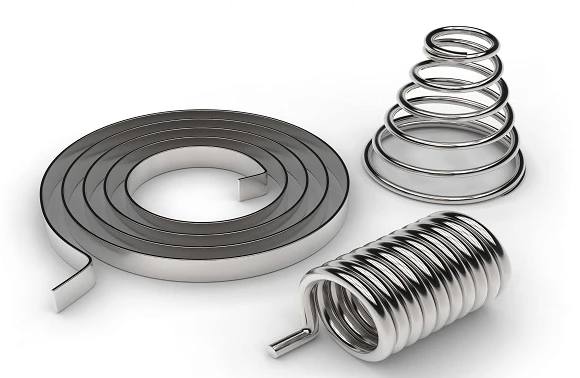
Constant force springs are special springs made from a strip of pre-stressed metal that is tightly wound on a drum. Unlike normal compression or extension springs, a constant force spring gives almost the same force throughout its full extension.
These springs are used in many industries because they are compact, reliable, and can work for thousands of cycles without losing performance.
What Is a Constant Force Spring?
A constant force spring is a flat strip of spring steel that is rolled into a tight coil. When the spring is pulled, it tries to return to its original coiled shape. This action creates a nearly constant force over the full length of the spring.
The force stays steady because the spring does not become much tighter or looser as it extends. This makes constant force springs very useful in applications where a smooth and even pull is needed.
How Does a Constant Force Spring Work?
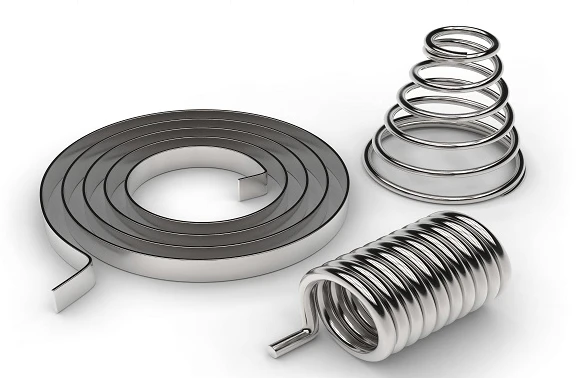
A constant force spring works by storing energy in a tightly wound strip of metal. When the spring is extended, the metal strip bends and creates force. As it returns to its original coiled form, it pulls with almost the same amount of force from start to finish.
The spring is usually mounted on a drum or shaft. One end stays fixed while the other end moves. As the spring extends, the coil gets smaller, but the pulling force remains almost constant.
Materials Used in Constant Force Springs
Constant force springs are usually made from strong and flexible materials such as:
- Stainless steel
- High carbon steel
- Hardened spring steel
- Pre-tempered steel
- Specialty alloys for high-temperature use
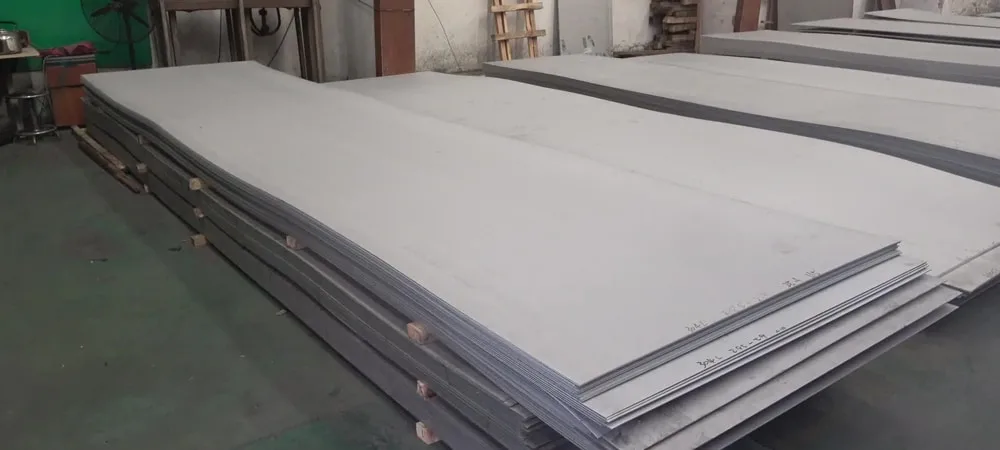
Stainless steel is commonly used because it offers good corrosion resistance and long life. High carbon steel is used when higher strength is needed.
Types of Constant Force Springs
There are different types of constant force springs based on the application:
Single Constant Force Spring
This is the most common type. It uses one strip of spring material to create a steady pulling force.
Double Constant Force Spring
A double spring uses two springs together to provide more force or better balance.
Variable Force Spring
This type is designed to provide changing force levels instead of a constant pull.
Motor Springs
Motor springs are used to store rotational energy and are commonly found in retractable devices.
Advantages of Constant Force Springs
Constant force springs offer many benefits compared to regular springs:
Smooth and Consistent Force
The biggest advantage is that they provide a nearly constant force over the full range of movement.
Compact Design
They can store a long length of spring material in a small space.
Long Service Life
These springs can handle many extension and retraction cycles.
Low Maintenance
Constant force springs usually need very little maintenance after installation.
Easy Installation
They can be installed in different positions and are suitable for many designs.
Common Uses of Constant Force Springs
Constant force springs are used in many products and industries.
Medical Equipment
They are used in hospital beds, medical devices, and retractable equipment where smooth motion is important.
Automotive Industry
Constant force springs are used in seat belt systems, window mechanisms, and other moving parts.
Electronics
They are commonly found in printers, scanners, cable retractors, and battery contacts.
Industrial Equipment
Factories use these springs in counterbalance systems, conveyor equipment, and tool holders.
Retail Displays
Constant force springs are used in shelf pushers and product display systems to move products forward.
Aerospace Applications
They are used in aircraft interiors, storage systems, and lightweight moving parts.
Constant Force Spring vs Regular Spring
FeatureConstant Force SpringRegular SpringForce OutputNearly constantChanges with movementShapeFlat strip coilWire coilSpace RequirementCompactLargerCommon UseRetractors and counterbalance systemsGeneral-purpose applicationsService LifeHighModerate
Important Factors to Consider When Choosing a Constant Force Spring
Before selecting a constant force spring, it is important to consider:
- Required force level
- Extension length
- Available mounting space
- Material type
- Environmental conditions
- Cycle life requirements
- Corrosion resistance
Choosing the correct spring helps improve performance and reduces maintenance problems.
Maintenance Tips for Constant Force Springs
Although constant force springs are durable, proper care can help increase their life.
- Keep the spring clean and free from dust
- Avoid overextending the spring
- Use the correct mounting method
- Check for signs of wear or corrosion
- Lubricate if needed for special applications
Regular inspection can help prevent failure and improve safety.
Why Industries Prefer Constant Force Springs
Many industries choose constant force springs because they save space, reduce wear, and provide reliable movement. Their steady force makes them useful in products where smooth operation is important.
They also help reduce the need for complex mechanical systems, making products lighter and easier to design.
Conclusion
Constant force springs are simple but highly effective components used in many industries. They provide smooth, reliable, and nearly constant force over a long range of movement.
From medical equipment to automotive systems and retail displays, these springs play an important role in improving performance and saving space.
Choosing the right material, force level, and design is important for getting the best results. With proper selection and maintenance, constant force springs can deliver long-lasting and reliable performance.