A concrete driveway is more than just a place to park vehicles. It is an important part of a home's exterior that must handle daily weight, changing weather, and long-term wear. When built correctly, a concrete driveway can last for decades without major damage. The strength and life of the driveway depend on several construction factors that must be handled with care and proper planning.
Quality of Ground Preparation
The life of a concrete driveway begins before the concrete is even poured. Ground preparation is one of the most important steps. If the soil below the driveway is weak or loose, the surface can crack or sink over time.
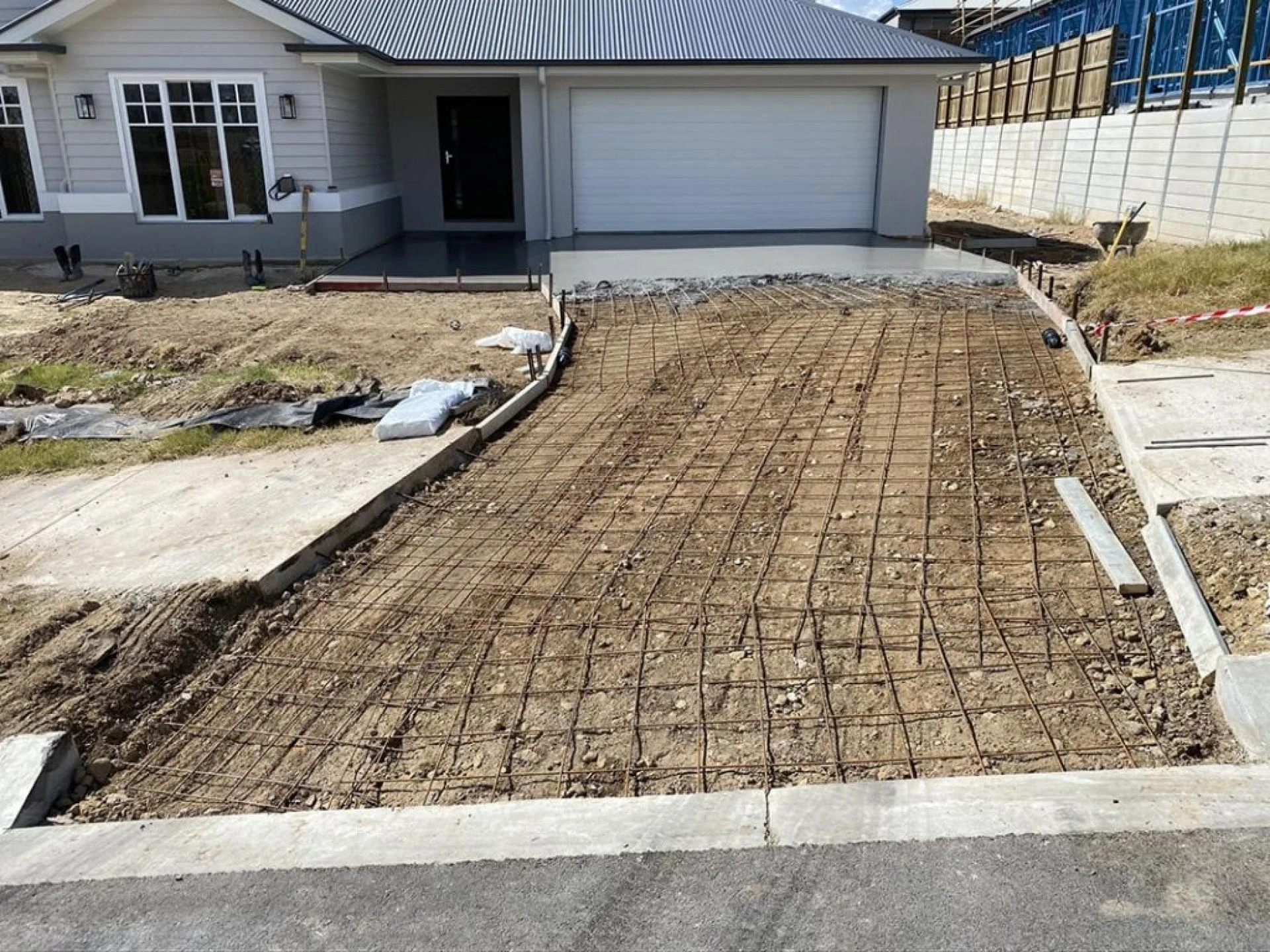
Contractors usually remove soft soil and compact the ground to create a firm base. A layer of crushed stone or gravel is often added to improve stability and drainage. These base spreads the weight of vehicles evenly and prevents the concrete from shifting.
Professional teams providing residential driveway services in Troy pay close attention to soil conditions to ensure the driveway remains stable for many years.
Choosing the Right Concrete Mix
Not all concrete mixtures are the same. The strength of the driveway depends on the quality and ratio of materials used in the mix.
A proper concrete mix normally contains:
- Cement
- Sand
- Gravel or crushed stone
- Clean water
The water-to-cement ratio must be balanced carefully. Too much water weakens the concrete, while too little water makes it difficult to work with. Skilled contractors offering residential driveway services use high-quality materials and correct mixing methods to ensure long-lasting results.
Correct Thickness of the Driveway
Concrete thickness plays a major role in durability. If the slab is too thin, it may crack under heavy loads. Most residential driveways are built with a thickness of around four inches, but some areas may require more.
Driveways that regularly support larger vehicles such as trucks or vans may need thicker slabs to avoid stress damage. Experienced residential driveway services evaluate the expected vehicle weight before deciding the final thickness.
Reinforcement for Extra Strength
Reinforcement materials help concrete handle pressure and prevent major cracks. Steel bars (rebar) or wire mesh are commonly placed inside the concrete slab.
These reinforcements provide several benefits:
- Improve the structural strength of the slab
- Reduce crack formation
- Help the driveway handle heavy vehicle loads
Some contractors also use fiber-reinforced concrete, where small fibers are mixed into the concrete to increase durability.
Importance of Proper Drainage
Water is one of the biggest threats to concrete driveways. If water collects under or on the driveway, it can weaken the base and cause surface damage.
To prevent this problem, contractors design the driveway with a slight slope so water flows away from the surface. Drainage systems may also include gravel layers or nearby drainage channels.
Professionals providing residential driveway services make sure that rainwater does not stay trapped around the driveway, which helps extend its lifespan.
Controlled Joint Placement
Concrete naturally expands and contracts due to temperature changes. Without proper joints, this movement can cause random cracks.
Control joints are carefully placed lines in the concrete that allow safe movement. They guide cracks to specific areas instead of letting them spread across the entire surface.
Well-planned joints improve the durability and appearance of the driveway while reducing future repair needs.
Proper Curing Process
After the concrete is poured, curing is necessary for it to gain full strength. Curing means keeping the concrete moist for several days so it hardens slowly and evenly.
Common curing methods include:
- Spraying water on the surface
- Covering with plastic sheets or wet cloth
- Applying curing compounds
Reliable residential driveway services understand that proper curing is essential for long-term durability.
Maintenance for Long-Term Performance
Even a well-built driveway benefits from regular maintenance. Small problems should be fixed early before they become larger structural issues.
Simple maintenance steps include:
- Cleaning oil stains and debris
- Sealing the surface every few years
- Repairing small cracks quickly
These basic actions can significantly extend the life of a concrete driveway.
Final Thoughts
The longevity of a concrete driveway depends on several construction factors working together. A strong base, quality concrete mix, proper thickness, reinforcement, and effective drainage all play an important role. Careful curing and routine maintenance further improve durability. When these elements are handled by skilled professionals providing residential driveway services in Troy, homeowners can expect a driveway that remains strong, safe, and reliable for many years.