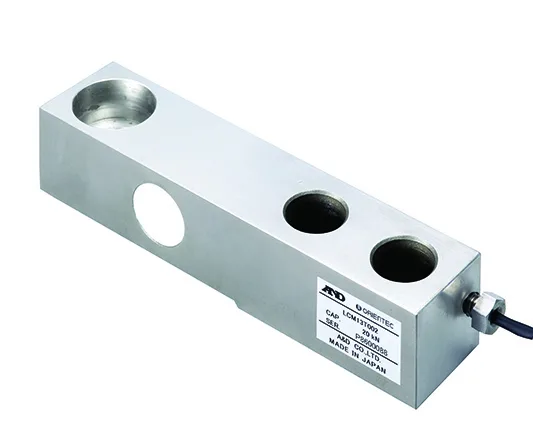
Load cells are essential components of modern weighing systems, converting applied force into an electrical signal that can be measured and displayed as weight or force. They are widely used in industrial scales, manufacturing equipment, material testing systems, lifting applications, and process automation.
However, not all load cells are designed to measure force in the same way. Two common types are compression load cells and tension load cells. While both measure force, they are designed for different loading conditions and applications.
Choosing the right load cell can improve weighing accuracy, operational safety, equipment reliability, and long-term performance. This guide explains the differences between compression and tension load cells, their applications, and how to select the best option for your industry.
What Is a Load Cell?
A load cell is a force-measuring transducer that converts mechanical force into an electrical signal. Most industrial load cells use strain gauges that respond to small deformations when a force is applied. The resulting electrical signal is processed by a weighing indicator or measurement system to determine the applied load.
Load cells are commonly used in:
- Industrial platform scales and weighbridges
- Hopper, tank, and silo weighing systems
- Crane scales and suspended weighing equipment
- Manufacturing and process control systems
- Material testing and force measurement equipment
- Packaging, batching, and filling machinery
The appropriate load cell depends on how the force is applied, the required capacity, the operating environment, and the accuracy needed for the application.
What Is a Compression Load Cell?
A compression load cell measures force applied by pushing or pressing against the load cell. The force acts along its intended loading axis, compressing the sensing element and producing an electrical signal proportional to the applied force within its specified operating range.
Compression load cells are commonly installed beneath a load-bearing structure or between a platform and its supporting frame.
Key Features of Compression Load Cells
Compression load cells are designed to withstand compressive forces and are available in different capacities and configurations. Depending on the design, they may offer:
- High load capacities for heavy industrial applications
- Compact construction for integration into weighing structures
- Compatibility with platform, tank, and hopper weighing systems
- Designs suited to demanding industrial environments
- Options for multiple load-cell arrangements in larger weighing systems
The actual capacity, accuracy, environmental protection, and resistance to side loads depend on the specific model and installation.
Common Applications of Compression Load Cells
1. Industrial platform scales
Compression load cells can be incorporated into platform weighing systems to measure materials, components, pallets, and other loads. Multiple load cells may be used to support a platform and distribute the load across its structure.
2. Tank, silo, and hopper weighing
Manufacturing facilities often use compression load cells to monitor the contents of tanks, silos, and hoppers. These systems help measure ingredient quantities, manage inventory, and support automated batching processes.
3. Weighbridges
Industrial weighbridges use load cells to measure the weight of vehicles and their contents. Depending on the system design, compression-type load cells may be suitable for supporting heavy loads and providing consistent weight measurements.
4. Industrial machinery
Compression load cells can also measure forces applied by presses, testing equipment, and other machinery where compressive force needs to be monitored.
What Is a Tension Load Cell?
A tension load cell measures pulling force applied along its intended loading axis. Instead of being compressed, the load cell experiences tension as a force pulls on its attachment points.
These load cells are useful when a load is suspended from a structure or when a system needs to measure the pulling force acting on a cable, chain, or other component.
Key Features of Tension Load Cells
Tension load cells are available in various designs, including S-type, inline, and other force-measuring configurations. Depending on the model, features may include:
- Measurement of pulling force and suspended loads
- Attachment points designed for tensile loading
- Compatibility with hanging scales and force measurement systems
- Options for integration into lifting and material handling equipment
- Different capacities for laboratory, industrial, and specialised applications
Correct mounting is essential. A tension load cell must be installed according to its manufacturer's instructions, with suitable attachments and protection against unintended side loading or bending.
Common Applications of Tension Load Cells
1. Crane and suspended weighing systems
Tension load cells can measure suspended loads in suitable weighing systems. They are used in applications where materials need to be weighed while hanging from a lifting or support structure.
2. Material testing
Manufacturers and testing laboratories use tension load cells to measure pulling forces during tensile testing. These measurements help evaluate material strength, deformation, and performance under load.
3. Cable and rope force monitoring
Tension load cells can measure forces acting on cables, ropes, and other tensioned components. Applications may include industrial rigging, structural testing, and specialised monitoring systems.
4. Manufacturing and assembly
In production environments, tension load cells can monitor pulling forces during processes such as wire handling, web tension control, and component testing, provided the selected model suits the application.
Compression vs Tension Load Cells: Key Differences
Although both types measure force, their mechanical designs and installation requirements differ.
FeatureCompression Load CellTension Load CellPrimary functionMeasures pushing or compressive forceMeasures pulling or tensile forceLoading directionForce presses against the sensing elementForce pulls along the intended loading axisTypical installationBeneath platforms, tanks, or supporting structuresBetween attachment points or within a suspended load pathCommon applicationsPlatform scales, silos, hoppers, and suitable weighbridgesSuspended weighing, tensile testing, and cable force measurementMounting requirementsStable support and appropriate load distributionSecure tensile connections and correct alignmentMain selection considerationsCapacity, load distribution, mounting, and side-load protectionCapacity, attachment design, alignment, and tensile safetyNeither type is universally better. The correct choice depends on the direction of the applied force and the requirements of the weighing or force measurement system.
Which Load Cell Is Best for Your Industry?
Selecting between compression and tension load cells starts with understanding how your equipment applies force.
Manufacturing and Production
Compression load cells are often suitable for weighing platforms, industrial vessels, and machinery that applies a pushing force. Tension load cells may be more appropriate for measuring pulling forces during assembly, material handling, or production testing.
Warehousing and Logistics
Businesses using industrial platform scales and pallet weighing systems may benefit from compression load cells, depending on the scale design. Tension load cells are relevant when loads are measured while suspended from suitable lifting or weighing equipment.
Food Processing and Chemical Manufacturing
Compression load cells are commonly used in tank and hopper weighing systems for ingredient measurement, batching, and process monitoring. In these applications, material compatibility, hygienic design, environmental protection, and cleaning requirements are important selection factors.
Construction and Heavy Industry
Compression load cells may be suitable for structural load measurement and heavy industrial weighing systems. Tension load cells can be used for monitoring pulling forces in cables, rigging systems, and specialised lifting applications.
For lifting operations, the complete system must be designed and rated for the intended load. A load cell alone does not make lifting equipment safe.
Laboratories and Testing Facilities
Both load cell types can be used in testing applications. Compression models measure pushing forces, while tension models measure pulling forces. The required measurement range, resolution, repeatability, calibration, and test procedure should guide the selection.
Factors to Consider When Choosing a Load Cell
Before purchasing a compression or tension load cell, consider the following factors.
1. Load capacity: Select a capacity that accommodates the expected operating loads and foreseeable overload conditions. Avoid sizing solely around the average load.
2. Force direction: Determine whether the application involves pushing, pulling, or a combination of forces. Select a model designed for the intended loading conditions.
3. Accuracy requirements: Check the load cell's specifications, repeatability, sensitivity, and suitability for the required measurement range.
4. Installation and mounting: Confirm that the load cell fits the available space and can be installed with the correct mounting hardware and alignment.
5. Operating environment: Consider moisture, dust, temperature changes, vibration, corrosion, and exposure to cleaning chemicals.
6. Compatibility: Ensure the load cell works with the weighing indicator, transmitter, data acquisition system, or automation equipment.
7. Calibration and maintenance: Consider how the system will be tested, calibrated, inspected, and maintained throughout its service life.
Conclusion
Compression and tension load cells both play important roles in industrial weighing and force measurement, but they serve different purposes. Compression load cells are commonly used in platform scales, tanks, hoppers, and other applications where force presses against a supporting structure. Tension load cells are designed for pulling forces and are useful in suspended weighing, tensile testing, and cable force monitoring.
The best load cell for your industry depends on the applied force, required capacity, accuracy, installation conditions, and operating environment. Selecting the correct type helps improve measurement reliability, equipment performance, and operational safety.
If you are planning a new weighing system or replacing an existing load cell, consult an experienced weighing equipment supplier to identify a suitable model for your application.
Frequently Asked Questions
1. What is the main difference between compression and tension load cells?
Compression load cells measure pushing forces, while tension load cells measure pulling forces. Both convert applied force into an electrical signal for measurement.
2. Can one load cell measure both tension and compression?
Some load cells are specifically designed and rated to measure both tension and compression. However, not all models support bidirectional loading. Always check the manufacturer's specifications before using a load cell in both directions.
3. Are compression load cells suitable for industrial scales?
Yes. Compression load cells are commonly used in suitable industrial platform scales, tank weighing systems, hoppers, and other weighing equipment.
4. Where are tension load cells commonly used?
Tension load cells are used in suspended weighing systems, tensile testing machines, cable force measurement, and industrial processes that require pulling-force monitoring.
5. How do I choose the correct load cell capacity?
Consider the maximum expected load, the number and arrangement of load cells, load distribution, dynamic forces, and potential overloads. A qualified supplier can help determine the appropriate capacity and configuration for the complete system.