The Beauty of Outdoor Spaces: A Look at the Art of Designing Landscapes
Creating an inviting outdoor space requires more than just placing a few plants and arranging some furniture. Landscape design is a thoughtful art that combines nature, architecture, and functionality. Whether it’s for residential or commercial properties, a well-crafted landscape enhances the aesthetic appeal, provides comfort, and even boosts the value of a property. But the process of designing and building such a space is far more intricate than most people think.
Landscape design and construction require careful planning, a deep understanding of the natural elements, and knowledge of construction practices. The journey starts with a vision, and the execution involves transforming that vision into a tangible and lasting outdoor environment.
Understanding the Basics of Landscape Design
Before diving into the details of landscape construction, it’s crucial to understand the foundational elements of landscape design. Designers focus on combining aesthetic appeal with practicality, creating a balance between natural beauty and functionality. Key elements to consider include:
- Topography and Terrain: The natural landscape of a space, including slopes, elevation, and soil type, plays a crucial role in the design process.
- Plant Selection: Choosing the right plants for the local climate, soil, and sunlight exposure is key to ensuring long-term success.
- Hardscaping: The integration of non-plant materials like stone paths, walls, patios, and outdoor structures adds structure to the design.
- Water Features: Fountains, ponds, and pools provide a serene, relaxing atmosphere and are often central to a landscape design.
These elements are all interwoven, and a skilled landscape architect knows how to blend them together to form a cohesive and sustainable outdoor space.
The Role of Landscape Construction in Realizing Your Vision
Now, let’s dive into landscape construction itself. Landscape construction is the practical application of the design plan. It is the phase where the theoretical becomes real, and the environment is physically shaped and molded to reflect the design vision. Whether it’s laying the groundwork for a garden, constructing stone pathways, or adding features like pergolas and fountains, landscape construction is about bringing functionality to the plan while ensuring the space remains aesthetically pleasing.
To start with, professional landscape construction involves the following key processes:
- Site Preparation: This involves clearing the land, removing debris, and preparing the soil for planting or hardscaping. This step might also include leveling areas for terraces or drainage systems.
- Soil Improvement: Good soil is the foundation of any garden. Landscape construction experts often amend the soil with compost or organic material to enhance drainage and nutrient levels.
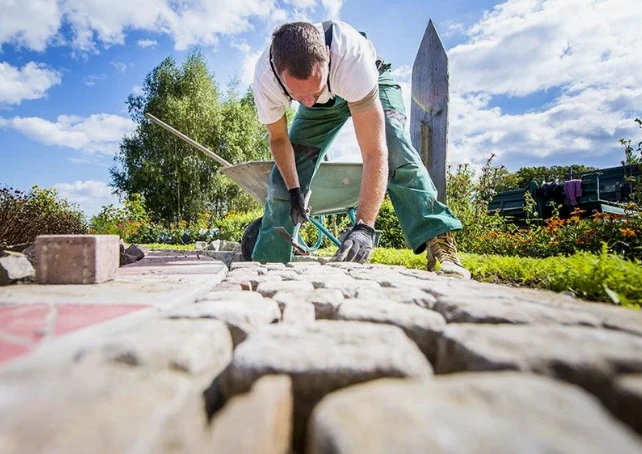
- Hardscape Installation: Features such as patios, retaining walls, driveways, and walkways require careful installation. These elements are built to last and need to be laid with precision to ensure stability and durability.
- Irrigation Systems: Efficient watering systems are an integral part of a landscape. Proper irrigation ensures that plants get the right amount of water without wasting resources.
- Planting: Once the groundwork is done, plants are carefully selected and positioned to thrive in their environment. The placement takes into account factors like sunlight exposure, growth patterns, and proximity to other plants.
Why Professional Landscape Construction is Essential
While DIY landscaping projects can be fun and rewarding, professional landscape construction offers many advantages, particularly when dealing with complex designs. First, professionals have access to high-quality materials and equipment, ensuring that the project is completed to a higher standard. They also have experience in managing the technical aspects of construction, which can include dealing with local building codes, drainage issues, or land slope challenges.
Moreover, professional contractors bring their expertise to the table. They understand the nuances of landscape construction, from soil types to plant compatibility, ensuring the end result is both beautiful and sustainable. A well-executed landscape not only adds visual appeal but also helps reduce maintenance costs in the future by ensuring proper drainage, plant health, and overall structural integrity.
Sustainability in Landscape Construction: Making Eco-friendly Choices
In today’s world, sustainability is a central concern in almost every industry, and landscaping is no exception. Eco-friendly landscape construction practices help conserve water, reduce waste, and create environments that are beneficial to local wildlife. Some sustainable practices include:
- Native Planting: Using native plants that are adapted to the local climate can reduce water consumption and create a habitat for local wildlife.
- Rainwater Harvesting: Installing rainwater harvesting systems allows you to collect and use rainwater for irrigation, reducing your reliance on municipal water systems.
- Permeable Paving: These paving materials allow water to filter through the surface, reducing runoff and improving drainage in the landscape.
- Energy-Efficient Lighting: Low-voltage LED lights or solar-powered lights reduce electricity consumption and create a more sustainable landscape.
Choosing the Right Landscape Construction Company
When choosing a landscape construction company, it’s important to research and find one that aligns with your project goals. Start by reviewing their portfolio to see if their previous work matches your vision. Look for testimonials or reviews from past clients, as they can provide valuable insight into the company’s reliability and quality of work.
Additionally, a good landscape construction company should offer you a clear, detailed plan and budget upfront. Open communication is key throughout the process, as you’ll want to stay informed about project timelines and any unexpected challenges that arise. Finally, ensure that the company is licensed and insured, as this protects you from potential liabilities during construction.
Conclusion
Landscape construction is more than just planting trees and laying down a lawn. It’s about creating a space that reflects the owner’s aesthetic, serves practical needs, and integrates seamlessly with the surrounding environment. By choosing a professional landscape construction team, you ensure that your outdoor space is not only beautiful but also sustainable and long-lasting.
From initial planning to final construction, every step of the landscape construction process plays an important role in bringing your outdoor vision to life. So, if you’re ready to transform your space, whether it’s a backyard garden, a corporate garden, or a public park, consider investing in professional landscape construction to guarantee the best results.