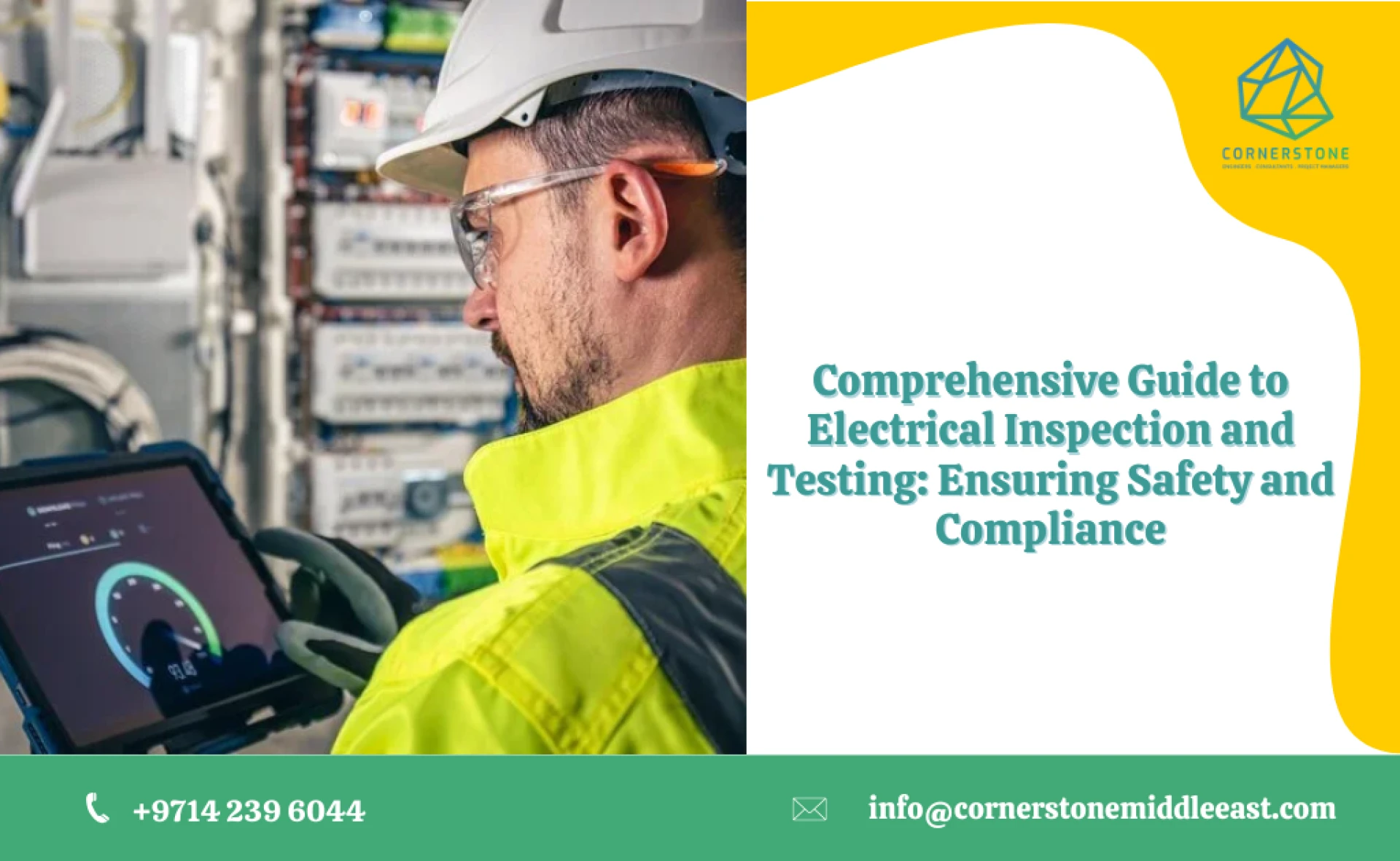
Electrical systems are a vital part of modern life, powering everything from homes and offices to industrial facilities. However, these systems can pose serious safety risks if not properly maintained. Electrical inspection and testing are essential procedures to ensure that all electrical installations function safely and efficiently. This detailed guide explores the importance, processes, standards, and benefits of electrical inspection and testing, emphasizing their critical role in protecting people, property, and business operations.
Understanding Electrical Inspection and Testing
Electrical inspection and testing involve a systematic examination of electrical installations to verify their safety, functionality, and compliance with regulations. These processes help identify potential hazards, prevent system failures, and ensure that electrical systems operate efficiently. Inspection refers to a detailed visual and physical assessment of electrical components, while testing involves using specialized equipment to measure performance and detect faults.
Electrical inspection and testing are applicable across various environments, including residential, commercial, and industrial facilities. Regular inspections are particularly important in industries with high electricity usage, such as manufacturing plants, oil and gas facilities, and large commercial complexes.
Importance of Electrical Inspection and Testing
The significance of electrical inspection and testing cannot be overstated. It provides numerous benefits, including:
- Ensuring Safety: Faulty electrical systems can cause fires, electric shocks, or equipment damage. Inspection and testing detect hazards like short circuits, exposed wiring, overloaded circuits, and defective insulation, significantly reducing the risk of accidents.
- Regulatory Compliance: Many regions require compliance with electrical safety standards such as the National Electrical Code (NEC), International Electrotechnical Commission (IEC) standards, and Occupational Safety and Health Administration (OSHA) regulations. Regular inspections demonstrate adherence to these requirements.
- Preventive Maintenance: Identifying minor issues before they escalate into major problems prevents costly repairs and unexpected downtime.
- Insurance Requirements: Many insurance providers require proof of regular electrical inspections to maintain coverage for fire and electrical damage claims.
- System Longevity: Consistent inspection and testing prolong the life of electrical systems and equipment, ensuring they operate efficiently over time.
Key Components of Electrical Inspection and Testing
A thorough electrical inspection and testing process typically includes multiple checks and procedures. Some of the most critical components are:
1.Visual Inspection:
Inspectors check for visible signs of wear, damage, or overheating in wiring, switches, sockets, panels, and other electrical components. Loose connections, corrosion, or damaged insulation are common issues identified during visual inspections.
2.Continuity Testing:
This test verifies that electrical circuits are complete and unbroken, ensuring that current flows without obstruction. It helps identify wiring faults that may cause equipment malfunctions.
3.Insulation Resistance Testing:
Insulation is crucial for preventing electrical leakage and ensuring safety. Resistance testing measures the effectiveness of insulation in wiring and components, identifying areas that may fail under load.
4.Earth Grounding Tests:
Proper grounding prevents electric shocks and protects equipment from surges. Testing confirms that grounding systems are correctly installed and functional.
5.Polarity Checks:
Correct wiring ensures that switches, outlets, and appliances function safely. Polarity tests detect reversed wiring, which can pose a serious risk.
6.Load Testing:
Load testing assesses the system’s capacity to handle its rated electrical load. It helps prevent overloading, overheating, and potential fire hazards.
7.Thermal Imaging Inspection:
Advanced inspections may use thermal cameras to detect hotspots in electrical systems. Hotspots indicate areas with high resistance, loose connections, or overloaded circuits.
8.Circuit Protection Verification:
Inspectors ensure that fuses, circuit breakers, and other protective devices function correctly and will trip or disconnect in case of an overload or fault.
Industry Standards and Regulations
Compliance with electrical safety standards is a critical aspect of electrical inspection and testing. Key standards include:
- National Electrical Code (NEC): Provides detailed guidelines for the design, installation, and inspection of electrical systems.
- International Electrotechnical Commission (IEC): Sets global standards for electrical and electronic systems, ensuring safety and interoperability.
- Occupational Safety and Health Administration (OSHA): Establishes workplace safety regulations to protect employees from electrical hazards.
Adhering to these standards not only ensures safety but also demonstrates legal and regulatory compliance, which is particularly important for businesses and industrial facilities.
Benefits of Regular Electrical Inspection and Testing
Investing in regular electrical inspection and testing delivers long-term advantages:
- Enhanced Safety: Proactively identifies hazards such as faulty wiring, overloaded circuits, or poor grounding.
- Cost Savings: Early detection of potential issues avoids expensive repairs and unplanned downtime.
- System Efficiency: Ensures electrical systems operate at optimal performance, reducing energy waste.
- Extended Equipment Lifespan: Reduces wear and tear on electrical components, prolonging the lifespan of equipment.
- Peace of Mind: Knowing that electrical systems have been thoroughly tested provides confidence and reassurance for property owners, managers, and occupants.
Choosing a Qualified Electrical Inspector
Selecting a skilled and certified electrical inspector is crucial for effective inspection and testing. Consider the following factors:
- Certifications: Ensure the inspector is certified by recognized regulatory bodies or professional organizations.
- Experience: Choose professionals with a proven track record in electrical inspection and testing, especially in your industry.
- Reputation: Look for customer reviews, references, and testimonials to gauge reliability and service quality.
- Equipment and Techniques: Confirm that the inspector uses modern testing tools and follows industry-standard procedures.
- Insurance Coverage: Verify that the inspector carries liability insurance to cover potential damages or accidents during testing.
Conclusion
Electrical inspection and testing are fundamental practices that safeguard people, property, and business operations. By conducting systematic inspections, performing accurate tests, and adhering to regulatory standards, property owners can prevent electrical hazards, improve system efficiency, and extend the lifespan of their electrical installations. Investing in regular electrical inspection and testing is not just a regulatory requirement—it is a proactive approach to ensuring safety, reliability, and peace of mind.
For more details and professional electrical inspection and testing services, visit Cornerstone Middle East.