Optimizing Production, Reducing Costs, and Accelerating Time-to-Market
In a competitive industrial landscape, businesses need efficient and reliable solutions to scale production without compromising on quality. Assembly contract manufacturing has emerged as a strategic approach adopted by leading brands worldwide. It allows companies to outsource the assembly process to expert manufacturers who specialize in precision, quality control, and efficient production systems. This method not only reduces internal overheads but also ensures faster delivery cycles and improved product consistency.
What Is Assembly Contract Manufacturing?
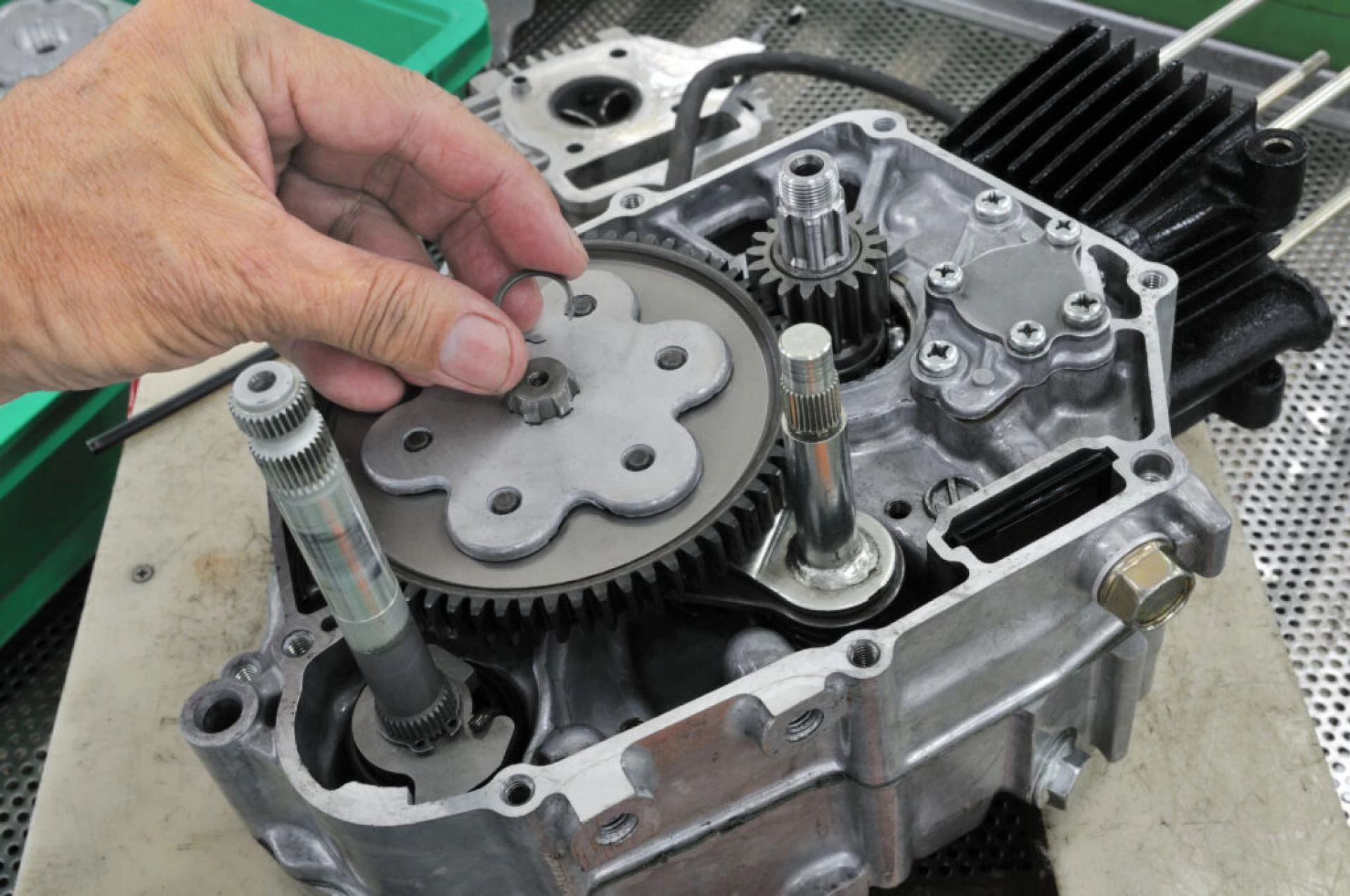
Assembly contract manufacturing refers to partnering with a third-party manufacturer to manage and execute product assembly processes. Instead of building in-house assembly lines, businesses collaborate with specialized service providers equipped with advanced machinery, skilled technicians, and streamlined operational systems. This enables brands to focus on core areas such as product innovation, marketing, and distribution while ensuring smooth, reliable production output.
Why Industries Prefer Outsourced Assembly Services
Modern manufacturing demands precision, efficiency, and scalability. With growing consumer expectations and rapid technological advancements, companies need flexible production solutions. Outsourcing offers significant advantages, including reduced labor costs, minimized capital investment, and access to industry-grade processes and engineering expertise.
Additionally, contract assembly partners adhere to strict quality regulations, making them valuable for industries requiring high-accuracy builds—such as electronics, medical devices, marine systems, automation equipment, consumer products, and industrial machinery.
Key Benefits of Assembly Contract Manufacturing
One of the most compelling reasons to choose third-party assembly services is cost efficiency. Companies save on labor, training, equipment, and facility upgrades. Alongside cost reduction, assembly outsourcing enhances productivity. Manufacturers provide structured workflows, lean manufacturing practices, and advanced technology to achieve optimal efficiency and repeatability.
Another benefit is scalable production. Whether you need low-volume prototype runs or high-volume production, assembly partners adapt output based on business requirements. This flexibility avoids downtime and ensures timely market delivery.
Moreover, outsourced assembly partners focus strongly on quality assurance. They follow rigorous validation processes, component traceability, testing protocols, and inspection systems to deliver consistent product results.
Applications Across Multiple Industries
Assembly contract manufacturing supports a wide range of sectors. Consumer electronics companies rely on it for precise PCB and system assembly. Medical and healthcare product manufacturers use it to meet regulatory standards and maintain sterile, precision-built products. Automotive and marine industries depend on contract assembly for complex mechanical systems, harness assemblies, and electronic modules. Even emerging technology companies use contract assembly partners to scale new innovations without investing upfront in production lines.
Future of Contract Assembly Services
As global supply chains evolve, the demand for trusted contract assembly partners continues to rise. Manufacturers are investing in automation, robotics, digital quality control systems, and sustainable practices to provide faster and cleaner production solutions. Companies increasingly prefer agile, outsourced production to accelerate innovation and stay competitive.
Conclusion
In today’s fast-moving industrial environment, efficient production is key to success. Assembly contract manufacturing offers a powerful solution, giving companies access to high-quality assembly, advanced technology, and scalable manufacturing capacity while reducing operational overheads. For businesses seeking reliable engineering support and precision assembly to drive growth, Masterworks Product Engineering (MPE) stands as a trusted partner committed to delivering excellence in every build.
FAQs
1. What is assembly contract manufacturing?
It is the process of outsourcing product assembly tasks to a specialized third-party manufacturer.
2. Which industries use contract assembly services?
Industries like electronics, automotive, medical devices, marine, and consumer products commonly use outsourced assembly.
3. What are the main benefits of outsourced assembly?
Benefits include cost savings, improved production efficiency, quality assurance, and scalable manufacturing capacity.
4. Can contract manufacturing support low-volume and high-volume production?
Yes, professional assembly partners handle prototype runs as well as full-scale production.
5. How does outsourcing enhance product quality?
Contract partners use advanced machinery, trained teams, testing systems, and strict quality standards to ensure consistent and reliable builds.