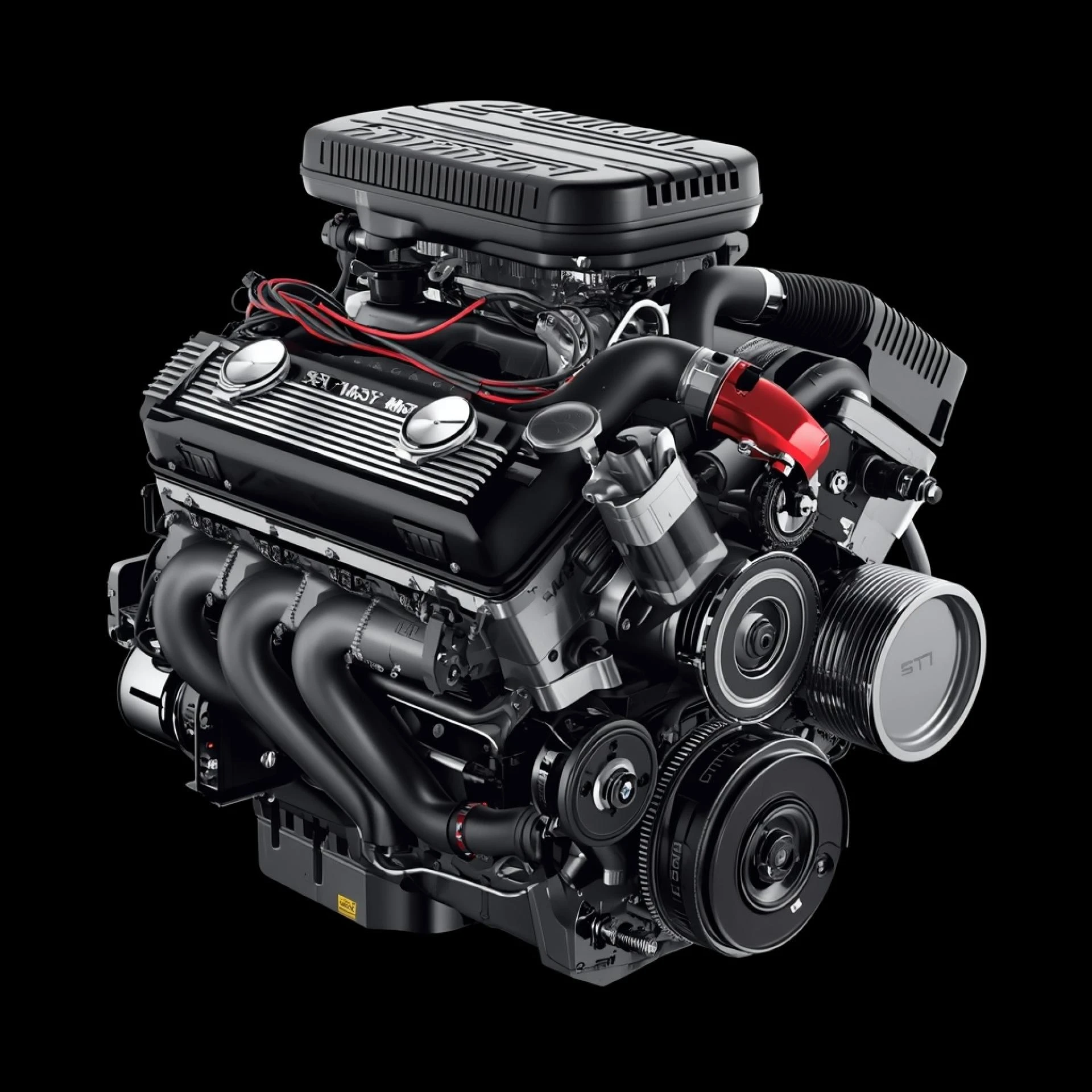
The BMW M57 engine stands as a symbol of disciplined automotive engineering, redefining expectations for diesel power during a period of rapid technological transition. Developed as a successor to earlier BMW diesel units, it arrived with a clear objective: combine efficiency and performance with refinement traditionally absent from diesel engines. By embracing common-rail direct injection early in its lifecycle, the engine delivered smoother combustion, reduced noise, and a level of responsiveness that distinguished it from many rivals of its era.
Its mechanical foundation played a critical role in shaping its reputation. The inline-six layout provided inherent balance, while the cast-iron block ensured exceptional durability under sustained thermal and mechanical stress. Although viewed by some as conservative, this choice proved prescient, allowing the engine to endure demanding driving conditions and extended service life. Across various configurations, including single and twin-turbo versions, the BMW M57 engine maintained a consistent identity centered on torque-rich delivery and mechanical calm.
Rather than prioritizing dramatic power peaks, the engine excelled in providing accessible, usable performance. Torque arrived early and remained steady, enabling confident overtaking and relaxed highway travel. This made the engine particularly appealing for long-distance drivers and larger vehicles, where effortless momentum mattered more than high-rev excitement. Its real-world behavior reinforced a sense of composure, reinforcing BMW’s intention to elevate diesel driving beyond basic utility.
Durability became a cornerstone of the engine’s legacy. Many units achieved exceptionally high mileage without major internal repairs, thanks to conservative calibration and robust materials. While certain components, such as swirl flaps and emissions systems, required vigilance, these issues did little to diminish the engine’s overall standing. The BMW M57 engine also gained cultural significance among enthusiasts, valued for its tuning potential and mechanical honesty.
Even as newer diesel engines introduced lighter materials and greater complexity, the M57 remained a benchmark—respected for its balance, resilience, and enduring engineering integrity.