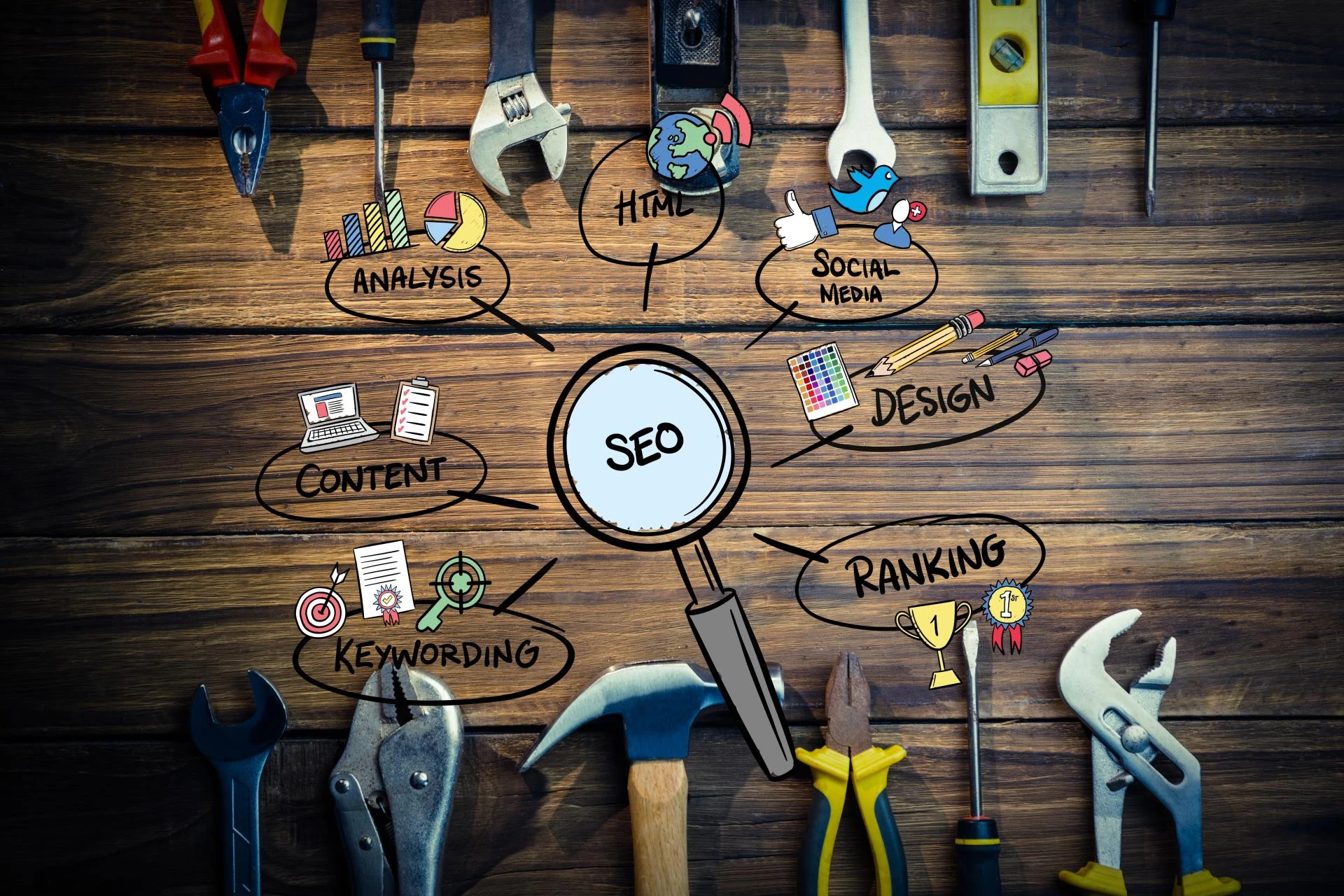
In today’s digital landscape, SEO-optimized content plays a crucial role in increasing website traffic, improving rankings, and boosting engagement. Writing a high-quality article alone is not enough; optimizing it for search engines ensures better visibility. This guide will walk you through the best SEO strategies to optimize your article for maximum reach and higher Google rankings.
1. Conduct Keyword Research
🔍 Why It Matters: Targeting the right keywords helps your article appear in relevant searches.
✅ Steps to Find the Best Keywords:
- Use Google Keyword Planner, Ubersuggest, or SEMrush to identify high-volume, low-competition keywords.
- Focus on long-tail keywords (e.g., "how to optimize an article for SEO") for better ranking.
- Analyze competitor keywords to find ranking opportunities.
📌 Pro Tip: Place the main keyword in the title, headings, and throughout the content naturally.
2. Craft an SEO-Friendly Title
🏆 Your title is the first thing users see!
✅ Best Practices for an SEO-Optimized Title:
- Keep it under 60 characters for better readability.
- Include primary keywords near the beginning.
- Make it engaging and click-worthy (e.g., "Ultimate Guide: How to Optimize an Article for SEO in 2024").
3. Optimize Your Meta Description
📌 Meta descriptions influence click-through rates (CTR).
✅ How to Write an Effective Meta Description:
- Keep it between 150-160 characters.
- Add your main keyword naturally.
- Provide a clear summary of the article.
- Include a call-to-action (CTA) (e.g., "Learn the best SEO techniques to rank higher!").
💡 Example Meta Description:
"Want to boost your website traffic? Learn how to optimize an article for SEO with proven strategies. Read now!"
4. Use Proper Heading Tags (H1, H2, H3, etc.)
📌 Why It’s Important: Proper headings help search engines understand content structure.
✅ Best Practices:
- Use H1 for the main title (only one per article).
- Use H2 for main sections and H3 for subheadings.
- Include relevant keywords naturally in headings.
5. Optimize Content for Readability & Engagement
📌 SEO-optimized content should be user-friendly.
✅ How to Improve Readability:
- Keep paragraphs short (2-3 sentences max).
- Use bullet points & numbered lists for easy scanning.
- Write in a conversational tone to engage readers.
- Use bold and italics to highlight key points.
📌 Example: Instead of writing:
"SEO is important because it helps websites rank higher in search engines."
Write:
✅ "SEO helps your website rank higher on Google, increasing visibility and traffic!"
6. Optimize Images for SEO
📌 Why? Images improve engagement but can slow down your site if not optimized.
✅ SEO Image Optimization Tips:
- Use descriptive file names (e.g., "seo-article-optimization.jpg").
- Add ALT text with keywords for accessibility.
- Compress images using TinyPNG or ShortPixel to improve speed.
📌 Example ALT Text:
"SEO Optimized Article – A guide by Digital Grow to increase website traffic."
7. Add Internal & External Links
🔗 Internal Links: Keep readers on your site by linking to other relevant articles.
🔗 External Links: Link to authoritative sources (e.g., Moz, Google, HubSpot) to boost credibility.
📌 Example Internal Linking:
"For more on boosting SEO, check out our Ultimate SEO Checklist."
📌 Example External Linking:
"According to Google's SEO Guidelines, quality content is a key ranking factor."
8. Improve Page Load Speed
📌 Faster websites rank higher!
✅ Ways to Improve Speed:
- Compress images & videos.
- Enable browser caching.
- Minimize CSS & JavaScript.
- Use a fast hosting provider.
📌 Check Your Speed Here: Google PageSpeed Insights
9. Mobile Optimization
📌 Over 60% of searches come from mobile devices.
✅ Make Your Article Mobile-Friendly:
- Use a responsive design.
- Ensure text is readable without zooming.
- Check mobile-friendliness with Google Mobile Test.
10. Add Schema Markup
📌 What is it? Schema markup helps search engines understand your content better.
✅ How to Add Schema Markup:
- Use FAQ Schema for FAQ sections.
- Use Article Schema for blog posts.
- Use Google’s Structured Data Markup Helper to generate code.
11. Publish & Promote Your Article
📌 After publishing, share your article to maximize reach!
✅ Promotion Strategies:
- Share on social media (Facebook, LinkedIn, Twitter).
- Use Pinterest SEO to get more traffic.
- Send it to your email subscribers.
- Submit it to forums & discussion groups (Reddit, Quora).
📌 Pro Tip: Repurpose your content into videos, infographics, or slides!
Final Thoughts
SEO-optimized content is the key to higher rankings, more traffic, and better engagement. By following these strategies, your articles will perform better in search results and attract more readers.
📌 Want Expert SEO Guidance?
At Digital Grow, we specialize in SEO strategies to boost website rankings. Contact us today for a website audit! 🚀
🔗 Website: https://digital-grow.in/
📧 Email: [email protected]