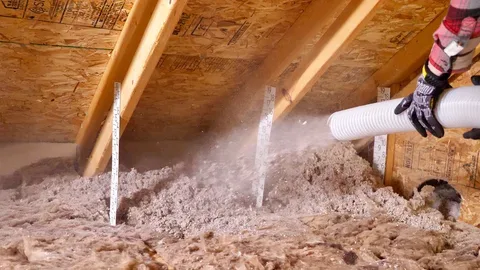
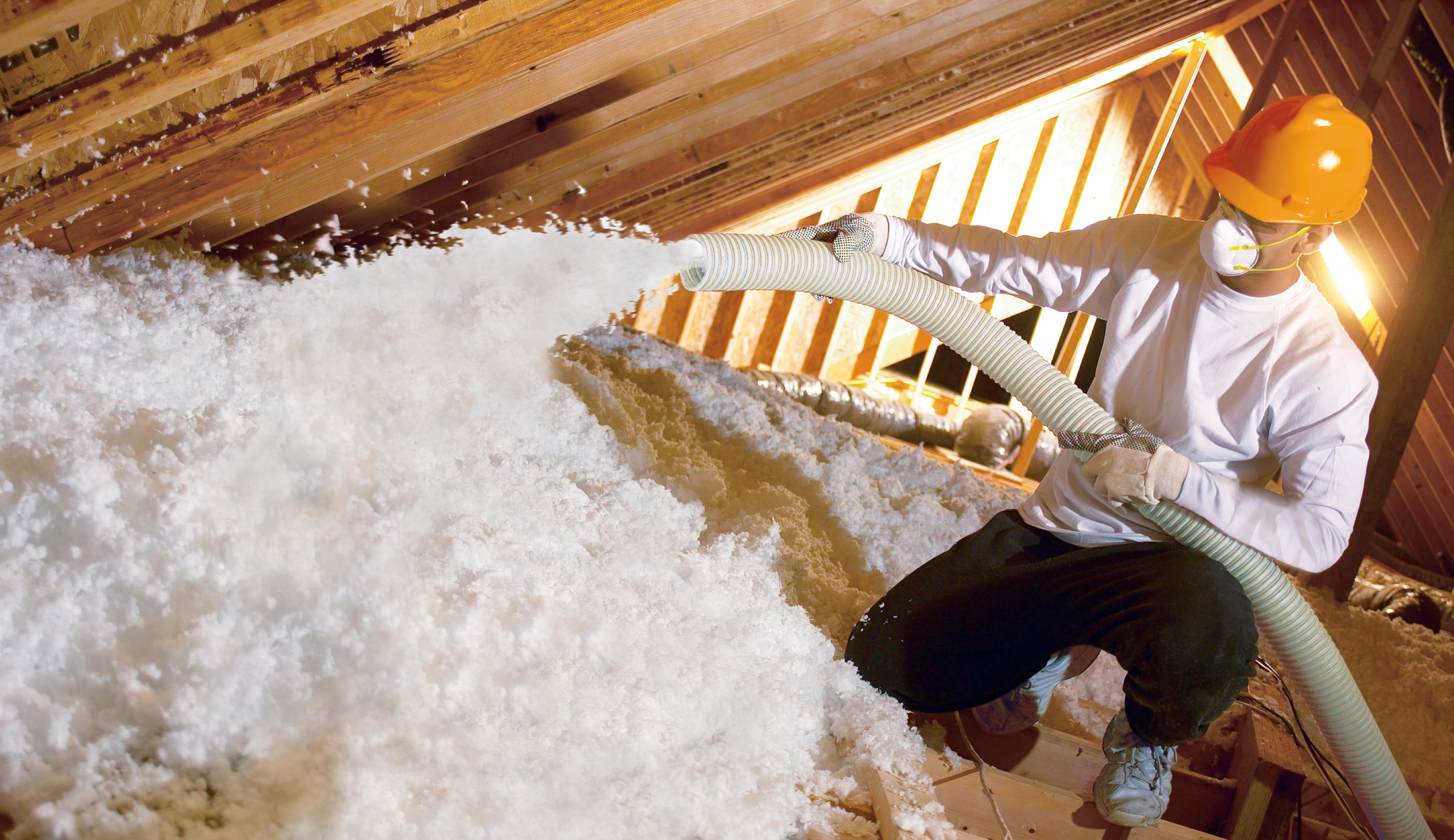
Blown-in insulation installation is a process where loose-fill material is distributed through a high-pressure hose into attics, crawl spaces, or wall cavities to create a consistent thermal blanket. In the high desert climate of Klamath Falls, this method provides a strong seal against extreme temperature shifts, effectively lowering monthly utility bills. By filling small gaps and crevices that traditional fiberglass batts cannot reach, homeowners can ensure their property stays warm during freezing winters and cool during dry summers.
This guide provides the necessary details for homeowners looking to improve a property's thermal performance. It contains specific information on material choices, the installation process, and local considerations for the Oregon region. With years of industry experience, experts suggest that properly installed loose-fill materials are one of the most cost-effective ways to upgrade an older home.
Understanding the mechanics of blown-in insulation installation
The process begins with a specialized machine that shreds the insulation material and mixes it with air. This mixture travels through a long, flexible hose directly into the target area. Because the material is loose, it flows around joists, wiring, and plumbing pipes. This coverage is what makes blown-in insulation installation in Klamath Falls, OR so effective for older homes in Klamath Falls that may have irregular framing or hard-to-reach corners.
Unlike pre-cut batts, loose-fill materials do not leave gaps at the edges. Small openings are often the primary cause of heat loss in a residential structure. When a professional team performs this service, they ensure the material reaches the correct depth to meet local building codes. In Oregon, reaching a specific R-value is necessary to combat the cold winter air that moves down from the mountains.
Bonus Tip: Before the work begins, it is helpful to have technicians identify any structural voids or gaps around light fixtures. Recognizing these problem areas early ensures the final thermal barrier is as effective as possible once the material is applied.
How regional climate influences your insulation choices
Klamath Falls sits at a high elevation, which means the sun is intense in the summer while the winters bring significant snowfall and sub-freezing temperatures. These conditions put a heavy load on any HVAC system. A proper blown-in insulation installation acts as a buffer, preventing a furnace from running constantly in January.
Market data shows that homeowners in the Pacific Northwest can save an average of 15 percent on heating and cooling costs by simply sealing leaks and adding sufficient attic insulation. In a climate like this, the return on investment for these upgrades often occurs within a few years. Choosing the right material for this specific environment is the next step in the process.
Comparing different blown-in insulation solutions
When looking for blown-in insulation solutions, homeowners generally choose between two primary materials: cellulose and fiberglass. Both offer excellent thermal resistance, but they have different characteristics that might suit specific home needs.

Cellulose is often preferred for its higher R-value per inch and its ability to block airflow more effectively than fiberglass. However, fiberglass is lighter, which makes it a good choice for older ceilings that might not support the weight of heavy cellulose. Both options are effective at creating a quiet, comfortable indoor environment.
When to seek professional blown-in insulation services
While some people attempt this as a weekend project, hiring professional blown-in insulation services ensures the job is done safely and correctly. Professionals have the heavy-duty equipment needed to maintain a consistent flow of material. If the material is not blown at the right density, it may settle too much over time, reducing its performance.
Experts also know how to manage attic safety. They understand where to walk to avoid falling through the ceiling and how to keep the material away from recessed light canisters that are not rated for contact with insulation. Furthermore, a professional service includes a final inspection to verify that the depth of the material is uniform across the entire space.
Bonus Tip: Always ensure the attic has proper ventilation. If new insulation covers the soffit vents, it risks trapping moisture in the attic, which can lead to mold or roof damage. Professionals use baffles to keep these air pathways clear.
3 steps to prepare your home for a new installation
Before the hose arrives at the door, a few preparation steps can make the process faster and more effective. Taking the time to prep the area ensures that the new material performs at its peak capacity for decades.
1. Inspect for moisture and pests. Check the attic for any signs of roof leaks or rodent activity. Insulation should never be installed over wet wood or active pest infestations. Solving these issues first prevents future headaches and preserves the integrity of the new material.
2. Seal the bypasses. Most heat loss occurs through hidden openings between the living space and the attic. These are found around plumbing stacks, electrical wires, and attic hatches. Using spray foam or caulk to close these holes before the blown-in insulation installation begins is a smart move.
3. Clear a path. The installation team will need to run a large hose from their truck into the attic access point. Clear any furniture or clutter from the hallway or garage where the technicians will be working. This allows them to move quickly and keeps belongings clean.
Why density and depth matter for long-term performance
One of the most common mistakes in attic upgrades is focusing only on the thickness of the material. While height is a good indicator, density is what truly stops heat transfer. If the material is too loose, air can still circulate through it. Professional blown-in insulation installation teams use specific settings on their machines to achieve the manufacturer-recommended density.
Over the first year, some settling is normal. However, quality materials are designed to maintain most of their loft for thirty years or more. By starting with the correct R-value (typically R-49 to R-60 in Oregon), homeowners ensure that even after minor settling, the house remains protected against the elements.
Factors to evaluate before choosing a material
Making a decision requires looking at more than just the price tag. It is important to consider the structural limits of the home and long-term goals for energy usage.
- Weight limits: Some older plaster ceilings cannot handle the weight of high-density cellulose.
- Sound dampening: For homes near a busy road in Klamath Falls, cellulose provides better noise reduction.
- Allergies: Fiberglass is inorganic and does not support mold growth, which may be better for those with sensitivities.
- Budget: Fiberglass is often slightly more affordable for large areas, while cellulose offers better thermal performance in smaller spaces.
Selecting a reliable local installation partner.
Finding the right team is the final piece of the puzzle. It is best to work with a provider that understands the specific challenges of the Klamath Basin. They should offer a clear estimate that details the type of material, the target R-value, and the total square footage being covered.
Checking for local experience is important. A provider familiar with Oregon building codes will ensure the home meets all current standards. This is particularly relevant for those who plan to sell a home in the future, as energy efficiency is a major selling point for modern buyers.

How to get expert help for your next home efficiency project
If it is time to improve home comfort, reaching out to a local specialist is a great way to start. All Foam & Insulation provides professional guidance on the best thermal solutions for properties. They offer a range of options, including Closed Cell Spray Foam, Open Cell Spray Foam, Fiberglass Batt Insulation, Blown-In Insulation, and Membrane Roofing. They can be contacted at (541) 826-9600 or via email at [email protected] to request a free quote. Their team understands the unique needs of Klamath Falls residents and can help select the right products for specific budgets and goals.
Summary of home efficiency benefits
Improving a home with blown-in insulation installation is a practical way to manage the rising costs of energy. By creating a consistent thermal layer, homeowners reduce the strain on heating and cooling equipment and create a more comfortable living environment. Focus on selecting high-quality materials and ensuring the density meets the requirements for the Klamath Falls climate. It is helpful to evaluate current insulation levels and consider a professional assessment to determine the best path forward for any specific property.
Common questions about attic and wall upgrades
How long does the installation process typically take?
For an average-sized home, the actual blowing process usually takes between three and five hours. Total time on site may be longer depending on the amount of prep work or air sealing required before the insulation is added.
Can you blow new insulation over the existing old material?
Yes, in most cases, new material can be added over old insulation as long as the existing material is dry and free of mold or pests. Adding more depth simply increases the total R-value of the attic.
Will this process make a mess inside my house?
Professional teams use drop cloths and specialized equipment to minimize dust. While a small amount of dust is expected, a quality service includes a thorough cleanup of the work area once the job is finished.
How do I know if my attic needs more insulation?
A quick way to check is to look across the attic floor. If the current insulation is level with or below the floor joists, the attic likely needs more. The wooden joists should not be visible in a well-insulated attic.
Is blown-in insulation fire-resistant?
Yes, both materials are designed with fire safety in mind. Cellulose is treated with fire-retardant chemicals like borates, while fiberglass is naturally non-combustible because it is made of glass and sand.