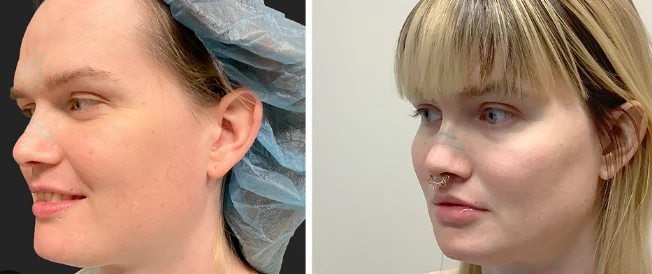
Facial aesthetics play a significant role in how we express identity and confidence. While both facial feminization surgery (FFS) and traditional cosmetic surgery focus on enhancing facial harmony, their goals, techniques, and emotional impacts are very different.
For transgender women and gender-diverse individuals, FFS is not just about appearance — it’s about aligning one’s facial features with gender identity. In contrast, traditional cosmetic surgery is often performed to refresh, rejuvenate, or enhance existing features.
If you’re exploring your surgical options, understanding the difference between these two approaches can help you make an informed decision. Let’s dive into how they compare and why many patients choose specialized centers such as Facial Feminization Los Angeles, CA for life-changing results.
1. Purpose and Philosophy
The primary difference lies in purpose.
- Facial Feminization Surgery (FFS):
- Designed specifically for transgender women and non-binary individuals, FFS aims to transform traditionally masculine features into more feminine ones. The goal is not merely beauty enhancement — it’s gender affirmation. Every surgical plan is customized to create features that align with the patient’s gender identity while maintaining natural harmony.
- Traditional Cosmetic Surgery:
- Cosmetic surgery is typically elective and pursued by individuals of any gender who want to enhance or rejuvenate their appearance — for example, through facelifts, rhinoplasty, or eyelid surgery. The intent is aesthetic improvement rather than gender alignment.
In essence, FFS changes how someone is perceived, while cosmetic surgery changes how someone looks within their existing gender framework.
2. Surgical Approach and Techniques
Both FFS and traditional cosmetic surgery may involve similar tools and incisions, but the approach and anatomical goals differ.
Facial Feminization Procedures Often Include:
- Forehead contouring and brow reduction
- Rhinoplasty tailored to feminine proportions
- Jaw and chin reshaping for softer contours
- Hairline lowering or scalp advancement
- Cheek augmentation and lip lift
Each step in FFS is guided by anthropometric data and an artistic understanding of facial gender markers. Surgeons study subtle traits — such as forehead slope, orbital shape, and lip curvature — that influence gender perception.
Traditional Cosmetic Surgery Techniques Include:
- Facelift for skin tightening
- Eyelid surgery for rejuvenation
- Neck lift, brow lift, or fillers for anti-aging
- Standard rhinoplasty for improved nasal aesthetics
While both involve precision and artistry, cosmetic surgery primarily focuses on symmetry and rejuvenation, not gender transformation.
3. Candidate Goals and Emotional Impact
For many FFS patients, surgery is life-affirming. It helps them feel seen and accepted for who they are. The psychological benefits — increased confidence, social comfort, and reduced gender dysphoria — are profound.
Traditional cosmetic surgery, on the other hand, usually addresses aesthetic dissatisfaction or the natural effects of aging. While it can boost confidence, the motivation is rarely tied to gender identity.
In short:
- FFS supports authenticity and self-identity
- Cosmetic surgery supports beauty and youthfulness
4. Surgeon Expertise and Specialization
Facial feminization demands more than technical proficiency — it requires deep knowledge of gender-related anatomy and sensitivity to patient goals. Surgeons who perform FFS are trained to analyze facial gender markers and understand the emotional dimension of transitioning.
This is why patients often travel from around the world to see experienced specialists. Leading centers like Facial Feminization Los Angeles, CA offer multidisciplinary care with plastic surgeons, anesthesiologists, and mental-health professionals working together to ensure both safety and satisfaction.
In contrast, traditional cosmetic surgeons may not have this same depth of experience in gender-affirming facial reconstruction. Their focus tends to be on aesthetic enhancement rather than gender alignment read more Will MTF Surgery Affect Nipple Sensitivity?
5. Customization and Outcome Planning
Both types of surgery are highly personalized, but FFS goes several steps further.
Surgeons often use:
3D imaging to simulate feminine contours
Bone scans and facial measurements to assess skeletal differences
Virtual consultations for detailed pre-surgical planning
These tools ensure that results look natural, balanced, and aligned with each patient’s goals.
In cosmetic surgery, customization revolves around proportions and symmetry — achieving a refreshed version of the same face rather than redefining its gendered characteristics.
6. Recovery and Healing Experience
Recovery timelines for both procedures vary, but FFS can involve multiple areas of the face, often making it a more comprehensive process.
Patients undergoing FFS may need 2–3 weeks of downtime and several months for full swelling resolution. Emotional healing is also a significant part of the process, as patients adapt to seeing themselves reflected in new ways.
Cosmetic surgery recovery is typically shorter and less emotionally intense. Most patients return to normal activities within 1–2 weeks, depending on the procedure.
7. Insurance and Cost Considerations
Historically, FFS was viewed as elective, but that perception is changing. Many insurance providers now recognize it as medically necessary for treating gender dysphoria. Patients are encouraged to verify coverage with specialized clinics experienced in navigating these claims.
In contrast, traditional cosmetic procedures are almost always self-funded, since they’re classified as elective enhancements rather than reconstructive needs.
Clinics like Facial Feminization Los Angeles, CA often assist with insurance pre-authorization, documentation, and financing options, helping patients manage the financial aspect of their transition journey.
8. Emotional Fulfillment and Social Confidence
Perhaps the most defining difference is the emotional outcome.
After FFS, many patients report a sense of peace and belonging — they finally see their inner identity reflected in the mirror. This alignment can significantly improve mental well-being and social comfort.
While traditional cosmetic surgery can also enhance confidence, it typically centers on aesthetics rather than identity. The satisfaction comes from looking younger or more refreshed, not from affirming one’s true self.
Final Thoughts
Facial Feminization and traditional cosmetic surgery may share techniques, but their goals, meaning, and impact are worlds apart. FFS transforms both appearance and identity, while cosmetic surgery refines existing beauty.
For those considering facial feminization, choosing an experienced specialist is essential to achieving natural, gender-affirming results. Explore more about the procedure and what it entails at Facial Feminization Los Angeles, CA — a trusted destination known for artistry, compassion, and life-changing transformations.