
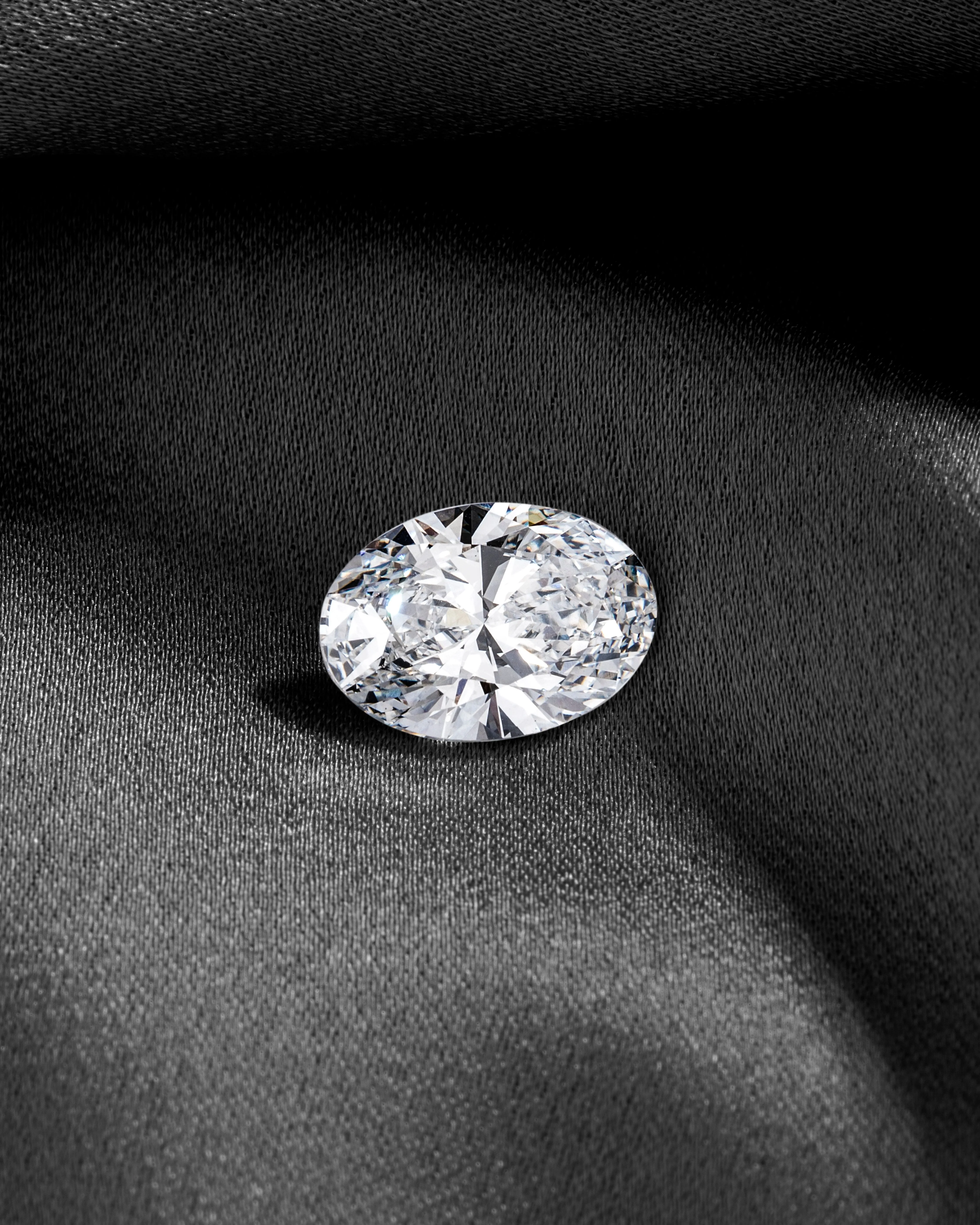
Buying a diamond involves more than choosing an attractive stone. Understanding the price differences between diamonds with similar characteristics can help you make a better purchasing decision. A Lab Grown Diamonds Price Comparison allows buyers to evaluate costs, compare quality grades, and find diamonds that match their budget and preferences.
Lab-grown diamonds have become an option for shoppers looking for the beauty and durability of diamonds at a generally lower purchase price than comparable natural stones. However, prices can vary significantly depending on carat weight, cut, color, clarity, and seller pricing. Learning how these factors work together can help you compare available diamonds more confidently.
What Is a Lab-Grown Diamond Price Comparison?
A lab-grown diamond price comparison involves reviewing the prices of multiple diamonds with similar characteristics. Instead of choosing the cheapest option immediately, buyers can examine the specifications behind each price to understand which diamond offers the best balance of quality and cost.
For an accurate comparison, look for diamonds with similar:
- Carat weight
- Cut quality
- Color grade
- Clarity grade
- Shape and proportions
- Grading documentation
For example, two one-carat lab-grown diamonds may have different prices because they have different clarity grades, cut characteristics, or retailer markups. Comparing similar specifications helps you identify these differences before making a purchase.
What Factors Affect Lab-Grown Diamond Prices?
Several characteristics influence the price of a lab-grown diamond. Understanding them helps you decide which features deserve the most attention when shopping.
1. Carat Weight
Carat measures a diamond's weight rather than its visible dimensions. Larger diamonds generally cost more than smaller stones with comparable quality characteristics.
However, carat weight alone does not determine how large a diamond looks. An oval diamond, for example, may appear larger from above than a round diamond of similar weight because of differences in shape and proportions.
2. Cut Quality
Cut quality influences how a diamond interacts with light. A well-cut diamond can display attractive brilliance, fire, and sparkle.
When comparing prices, examine cut grades where available, along with polish, symmetry, and proportions. A lower-priced diamond may not offer the visual performance you expect if its cut quality is less desirable.
3. Color Grade
Color grading measures the presence of color in a diamond. In the standard scale for white diamonds, grades closer to colorless generally command higher prices, although the difference depends on other characteristics and market conditions.
Your preferred color grade may also depend on the setting. Yellow or rose gold can create a different overall appearance from white gold or platinum.
4. Clarity Grade
Clarity refers to internal inclusions and external blemishes. Diamonds with fewer noticeable characteristics may command higher prices, but a higher clarity grade does not always create a visible difference to the unaided eye.
Review diamond images, videos, and grading reports to determine whether paying extra for a higher clarity grade is worthwhile for your preferences.
How to Use a Lab-Grown Diamond Price Comparison Calculator
A Lab Grown Diamonds Price Comparison calculator can help organize available options and estimate price differences. Its usefulness depends on the quality of the data, the specifications entered, and how frequently prices are updated.
Follow these steps when comparing diamonds:
- Set your budget. Decide how much you want to spend on the diamond itself, keeping the ring setting and other expenses in mind.
- Choose a carat range. Select a weight that matches your preferred appearance and budget.
- Set quality preferences. Compare suitable cut, color, and clarity grades.
- Select a diamond shape. Evaluate round, oval, princess, pear, and other shapes according to your style.
- Review current prices. Compare listings with similar specifications instead of treating every diamond as equivalent.
- Check grading reports. Verify the reported characteristics and the issuing gemological laboratory.
- Calculate the final cost. Include applicable taxes, shipping, setting charges, and other fees.
A calculator is a useful starting point, but it should not replace reviewing individual diamonds. Prices can change, and estimates based on outdated listings may not reflect current offers.
Lab-Grown Diamond Prices by Budget
Your budget can help narrow your search, but flexibility with certain specifications may reveal better options.
Finding an Affordable Diamond
If you want to control spending, compare several shapes and clarity grades rather than focusing on a single specification. A diamond that appears clean to the naked eye may be a practical alternative to a higher-clarity stone.
You can also compare slightly different carat weights to see whether a modest adjustment reduces the price without significantly changing the appearance.
Balancing Size and Quality
Some buyers prioritize a larger diamond, while others prefer to invest in cut quality or a particular color grade. Neither approach is universally better; the right balance depends on your priorities.
Before deciding, compare the diamonds visually and review their specifications. This helps you judge whether a higher price corresponds to a feature you genuinely value.
Lab-Grown vs Natural Diamond Prices
Lab-grown diamonds are produced in controlled laboratory environments, while natural diamonds form within the Earth over geological periods. Both have essentially the same chemical composition and crystal structure, although their origins differ.
Lab-grown diamonds generally cost less than natural diamonds with comparable grading characteristics. Their exact price difference varies according to supply, demand, diamond specifications, and retailer pricing.
Natural diamonds may appeal to buyers who value their geological origin, while lab-grown diamonds can suit shoppers who want to spend less initially or prioritize size and grading characteristics. Neither type guarantees a particular resale price.
Common Mistakes to Avoid When Comparing Diamond Prices
A low listed price does not automatically make a diamond the best purchase. Avoid these common mistakes:
- Comparing stones with different carat weights and quality grades.
- Ignoring cut quality while focusing only on size.
- Assuming every grading report provides the same level of information.
- Overlooking taxes, shipping, return policies, and additional fees.
- Relying exclusively on photographs without reviewing available videos and documentation.
- Assuming a higher price always means better visual quality.
Platforms such as diamondhedge can help shoppers explore diamond options and compare characteristics before making a decision.
Frequently Asked Questions
Are lab-grown diamonds cheaper than natural diamonds?
Generally, yes. Lab-grown diamonds usually have lower retail prices than natural diamonds with comparable characteristics, although the exact difference varies.
How accurate is a diamond price comparison calculator?
A calculator can help estimate or compare prices, but its accuracy depends on current market data, the information entered, and its calculation method.
Which characteristics matter most when comparing diamonds?
Carat weight, cut, color, clarity, shape, grading documentation, and the total purchase cost are important factors to consider.
Do lab-grown diamonds have resale value?
Yes, they can have resale value, but resale prices may be substantially lower than the original retail price. Market conditions and consumer demand influence the amount a seller may receive.
Conclusion
A Lab Grown Diamonds Price Comparison helps buyers evaluate diamond costs using consistent specifications instead of focusing on price alone. Comparing carat weight, cut, color, clarity, and grading reports can reveal which options best match your needs.
Use a price comparison calculator to narrow your choices, then review current listings, diamond documentation, and seller policies. By considering both quality and cost, you can choose a lab-grown diamond that suits your budget, personal style, and expectations.