
In an era of rapid digital transformation, health equity remains a critical yet elusive goal for many underserved communities. The healthcare landscape is evolving, but fragmentation in care delivery continues to prevent nonprofit organizations and care teams from working in unison. That’s where Community Healthcare Management Software enters as a game-changer—offering integrated tools designed to address not just medical, but social determinants of health. This digital solution is much more than a data aggregator or a communication portal; it is a strategic partner for nonprofits and community-based organizations (CBOs) striving to deliver person-centered, coordinated, and equitable care.
The Urgent Need for Integration in Community Health
Traditionally, nonprofit and government organizations have operated within silos. From behavioral health to food security, and housing to transportation, different service providers collect data, maintain records, and report outcomes in disparate ways. This separation often leads to communication breakdowns, repeated assessments, inefficiencies, and worst of all—poor patient experiences. Community Healthcare Management Software transforms this outdated structure by offering a unified digital infrastructure that interlinks services, allowing organizations to work as a cohesive care ecosystem.
Designed for People, Built for Collaboration
What sets this software apart is its human-centered design. Unlike legacy systems, it is not just a digitized filing cabinet. Built with input from diverse communities and stakeholders, the platform focuses on streamlining workflows, reducing admin burden, and amplifying collaboration. It enables both nonprofit staff and community members to interact through intuitive interfaces, supporting multiple languages and accessibility features. This democratization of access means that those receiving care can participate more fully in their health journeys, while providers can focus more on impact rather than paperwork.
Closing the Loop on Referrals and Follow-ups
One of the most powerful capabilities of this Community Healthcare Management Software is its closed-loop referral system. Traditionally, referrals often result in missed follow-ups, data loss, or confusion over next steps. This platform ensures referrals are tracked from initiation to completion, with real-time status updates accessible to all relevant stakeholders. Whether it's connecting a family with a local food bank or enrolling a senior in a transportation program, the system makes sure nothing slips through the cracks—bringing clarity, accountability, and continuity to care delivery.
Real-Time Data for Real-World Impact
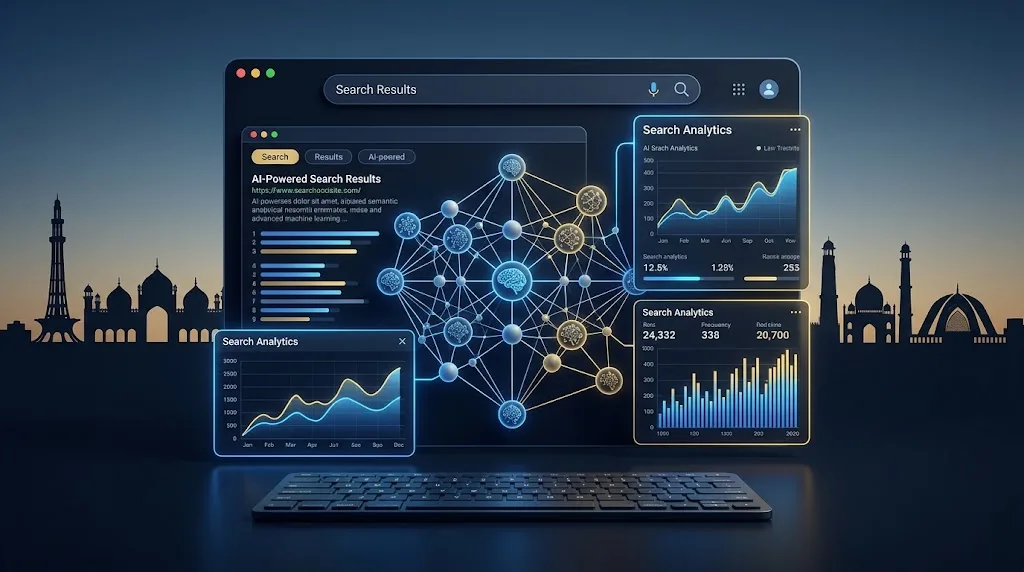
The ability to gather and analyze real-time data is essential for any healthcare ecosystem, especially in communities facing constant change and complex needs. The software’s data tools allow organizations to not only monitor services but also evaluate effectiveness and adapt strategies accordingly. Dashboards provide clear visualizations of KPIs, service utilization, and client outcomes, all while maintaining strict compliance with privacy regulations. As a result, decision-makers can shift from reactive to proactive care planning, aligning strategies with actual needs rather than assumptions.
Empowering Multisector Collaboration
No single organization can solve community health challenges alone. What makes this Community Healthcare Management Software revolutionary is its emphasis on multisector partnerships. It’s designed to be used by nonprofits, government agencies, healthcare providers, and even funders—enabling them to align efforts through shared goals, data transparency, and joint service planning. This interoperability leads to more efficient resource allocation and ultimately, a more resilient support system for the communities being served.
Customization without Complexity
One major roadblock for nonprofits adopting digital tools is the complexity and rigidity of many software solutions. This platform eliminates that barrier with customizable features that don’t require coding or a full-time IT staff. From tailored intake forms to customizable workflows and alerts, organizations can configure the system to fit their specific mission and community needs—without sacrificing usability. And because the platform evolves based on user feedback, it continuously improves in alignment with the realities of on-the-ground service delivery.
Promoting Equity through Transparency
In community health, transparency builds trust. The software ensures all stakeholders—from clients to case managers—have visibility into care plans, updates, and outcomes. Clients are not just passive recipients of care; they are empowered participants. This transparency fosters stronger relationships between service providers and community members, increasing engagement, compliance, and satisfaction. It also provides funders and leadership teams with the evidence needed to advocate for systemic change and sustainable funding.
Future-Proofing Community Health Systems
With public health crises on the rise and funding models shifting, nonprofits need to be agile and prepared for whatever lies ahead. The cloud-based architecture of the Community Healthcare Management Software ensures scalability and resilience. Whether an organization is expanding services, merging with another group, or responding to a crisis like a pandemic or natural disaster, the platform adapts quickly—helping teams mobilize resources and coordinate emergency responses efficiently.
A Digital Lifeline for Grassroots Impact
Grassroots organizations are often the unsung heroes of community healthcare. Yet they face the greatest technological disadvantages. This software levels the playing field by offering affordable, intuitive, and powerful tools that meet the needs of small teams with big missions. From enabling shared case management to breaking language barriers, it serves as a digital lifeline for those working tirelessly to make a difference, one household at a time.
Final Thoughts: Technology with a Heart
What truly makes Community Healthcare Management Software stand out is its core philosophy: technology should amplify human connection, not replace it. In a world increasingly driven by automation and algorithms, this software stays grounded in empathy, community, and equity. It is not just a tool—it is a movement toward more inclusive, efficient, and dignified community healthcare.
If your organization is ready to modernize and unite your care networks, Community Healthcare Management Software is your bridge to a more connected and equitable future.