
A new product launch is three weeks out. Marketing believes engineering has locked the feature set. Engineering believes marketing is still gathering customer input. Sales has already promised a client a capability that neither team has confirmed. Everyone is working hard. Everyone is competent. And everyone is about to collide.
Scenes like this play out in organizations every day, and they rarely trace back to a lack of effort or talent. They trace back to communication: assumptions left unspoken, updates that were vague, questions nobody felt comfortable asking. That is why communication training for employees has become one of the most practical investments a company can make in how work actually gets done.
Communication Is How Work Moves
Every task in an organization passes through conversation at some point. Projects are scoped in meetings, priorities are set in emails, problems are flagged in quick messages, and decisions are explained in updates. When those exchanges are clear, work flows. When they are muddy, work stalls or doubles back on itself.
Many employees were never taught how to communicate at work. They learned by watching others, picking up both strong habits and weak ones along the way. Some over-explain. Some stay quiet when they should speak up. Some write messages that make perfect sense to them and almost no sense to anyone else. These patterns are not character flaws. They are simply untrained skills.
Collaboration Starts With Shared Clarity
Strong collaboration depends on everyone understanding the same thing in the same way. That sounds obvious, but it is surprisingly rare. A phrase like "end of week" or "ready for review" can mean very different things across departments.
Teams that collaborate well build small habits that prevent confusion. They confirm next steps out loud before a meeting ends. They summarize decisions in writing. They ask, "What would make this easier for you?" before handing off work. These behaviors take little time, yet they eliminate a large share of the friction that slows cross-functional projects.
Confidence Changes Who Contributes
In most meetings, a handful of people do most of the talking. Others hold back, not because they lack ideas, but because they are unsure how to frame them, worried about being wrong, or uncomfortable interrupting a fast-moving discussion.
That silence has a cost. Valuable perspectives go unheard, early warnings go unraised, and quieter employees miss chances to grow. Targeted communication skills coaching helps people build the confidence to contribute. They learn to state a point concisely, voice a concern without sounding combative, and hold their ground when challenged. When more voices join the conversation, teams make better decisions.
Clear Messages Improve Performance
Performance improves when people understand what is expected and why it matters. Managers who communicate goals clearly, give specific feedback, and explain the reasoning behind decisions tend to see stronger follow-through from their teams.
Employees benefit from the same clarity in how they communicate upward and across. Leading with the key point, offering a recommendation instead of only a problem, and being precise about timelines all help colleagues and managers act faster. Small improvements in clarity can save hours that would otherwise go to clarifying emails, extra meetings, and rework.
Feedback Without the Fear
Few workplace conversations create more anxiety than feedback, whether giving it or receiving it. Many people soften feedback so much that the message disappears. Others deliver it so bluntly that the listener stops hearing it.
Effective feedback is specific, timely, and focused on behavior rather than personality. Describe what happened, explain the impact, and invite the other person into the solution. Receiving feedback well is a skill too. Listening without defending, asking clarifying questions, and thanking the person for their candor all encourage a culture where honest input flows freely.
Practice Is What Makes It Stick
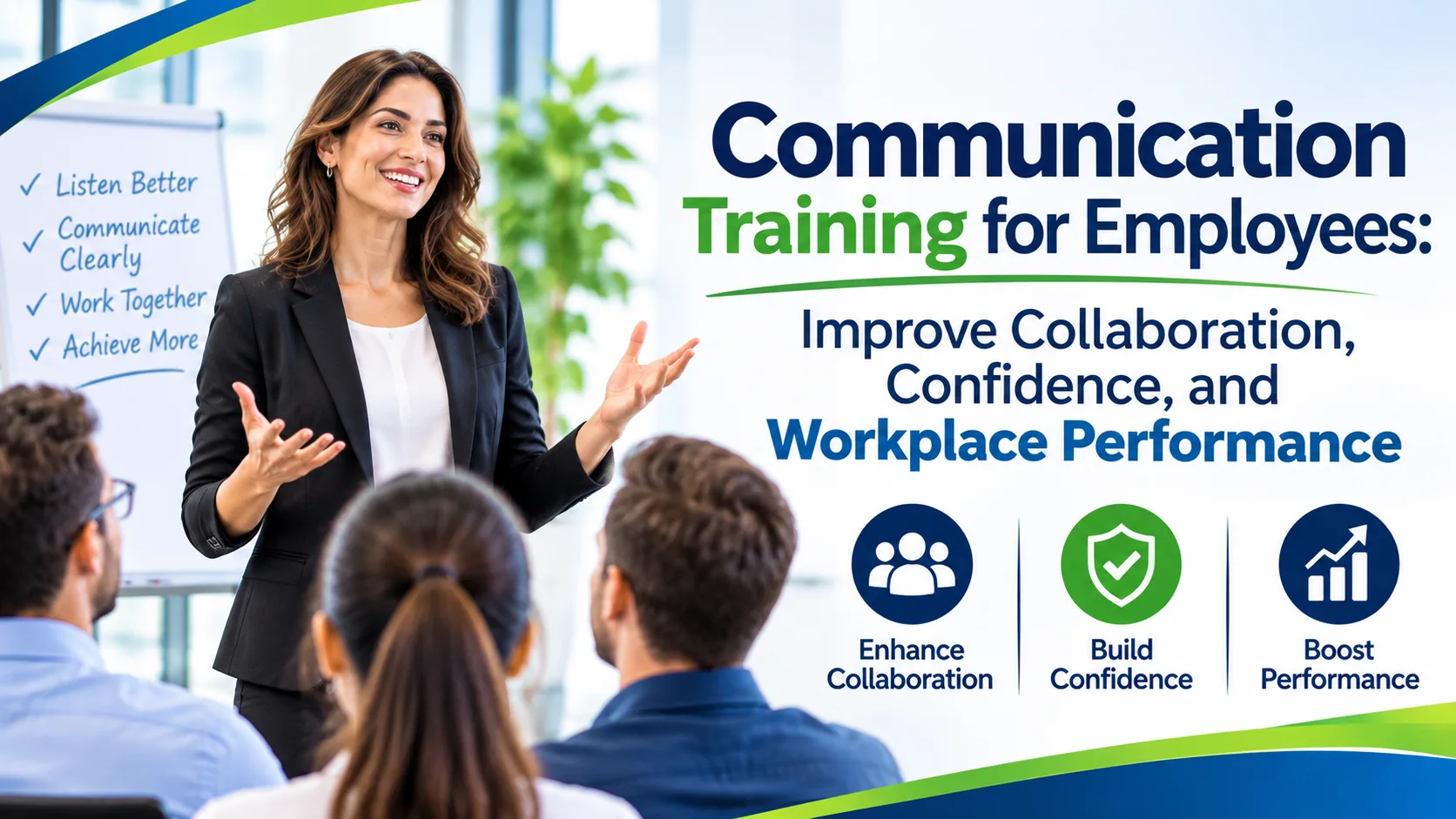
Knowing good communication principles is not the same as using them under pressure. That gap closes through practice. Effective communication training for employees gives people chances to rehearse real situations, such as a difficult update, a disagreement with a peer, or a presentation to leadership, and to receive honest feedback on how they came across.
From Moxie's perspective, experiential learning makes the biggest difference. When participants try a new approach, see the result, and refine it on the spot, the skill becomes their own. Lectures can explain what to do. Practice is what changes behavior.
Supporting Growth at Every Level
Not every employee needs the same development. New team members often benefit from foundational skills like structuring updates and running effective meetings. Experienced professionals may need help influencing without authority or communicating complex ideas to senior leaders. Emerging managers face entirely new challenges in giving feedback and setting direction.
Personalized communication skills coaching works well alongside group learning because it targets each person's specific habits and goals. Combining shared team sessions with individual support helps organizations build common standards while still meeting people where they are.
Make Communication a Team Strength
When employees communicate with clarity and confidence, the effects ripple outward. Projects run more smoothly, collaboration across departments improves, and people feel more engaged because they are heard and understood.
At Moxie, communication training for employees focuses on realistic practice and candid feedback, so the skills people build carry directly into their meetings, conversations, and daily work. The result is a workplace where good ideas surface faster, misunderstandings fade, and teams spend their energy on the work itself.