
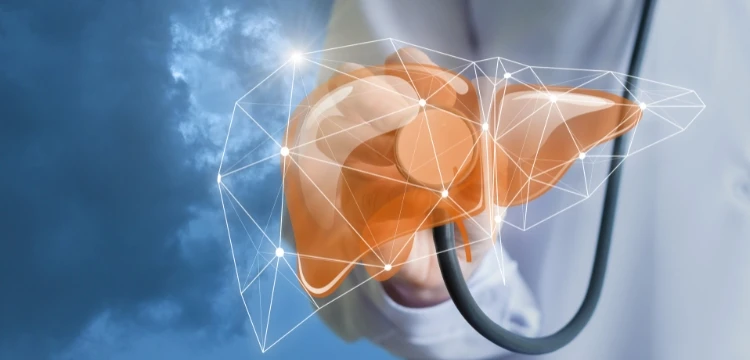
The liver is one of the most vital organs in the human body, responsible for detoxification, metabolism, nutrient storage, and digestion support. It processes toxins, produces essential proteins, and helps regulate blood composition. Maintaining liver health is crucial for overall well-being, as even minor dysfunction can affect multiple bodily systems.
Urban lifestyles, dietary habits, and stress factors in rapidly developing cities like Ahmedabad have contributed to an increase in liver-related health concerns. Awareness of common liver diseases and their management plays a key role in early diagnosis and effective treatment.
Fatty Liver Disease
Fatty liver disease occurs when excess fat accumulates in liver cells. It is one of the most common liver conditions and is often associated with obesity, diabetes, and unhealthy dietary patterns.
There are two primary types: non-alcoholic fatty liver disease and alcohol-related fatty liver disease. In its early stages, the condition may not produce noticeable symptoms. However, as it progresses, individuals may experience fatigue, abdominal discomfort, and inflammation. Early detection and lifestyle modification can effectively manage this condition.
Hepatitis and Its Types
Hepatitis refers to inflammation of the liver and can be caused by viral infections, alcohol consumption, autoimmune disorders, or exposure to toxins. Viral hepatitis is classified into several types, including hepatitis A, B, and C.
Symptoms may include jaundice, fatigue, nausea, and abdominal pain. Some forms are acute and temporary, while others can become chronic and lead to serious complications. Vaccination, timely diagnosis, and appropriate medical management play a crucial role in controlling hepatitis.
Liver Cirrhosis
Cirrhosis is a progressive condition characterized by scarring of liver tissue. Long-term liver damage from infections, alcohol use, or metabolic disorders can lead to this condition. As healthy tissue is replaced by scar tissue, liver function gradually declines.
Common symptoms include swelling in the abdomen, fatigue, easy bruising, and jaundice. Cirrhosis requires continuous medical monitoring and lifestyle changes to prevent further progression and complications.
Liver Fibrosis
Liver fibrosis occurs when excessive connective tissue develops in response to chronic liver injury. It is often considered a precursor to cirrhosis. Fibrosis may develop due to untreated hepatitis, fatty liver disease, or prolonged toxin exposure.
Early stages may not show significant symptoms, making regular health evaluation important. Proper treatment can slow or even reverse early fibrosis if addressed promptly.
Liver Infections and Abscesses
Infections affecting the liver can result from bacterial, viral, or parasitic causes. A liver abscess is a localized collection of pus caused by infection. This condition may lead to fever, abdominal pain, and weakness.
Prompt diagnosis and treatment are essential to prevent complications. Medical evaluation helps determine the cause and appropriate therapeutic approach.
Autoimmune Liver Diseases
Autoimmune liver conditions occur when the immune system mistakenly attacks liver cells. Examples include autoimmune hepatitis and primary biliary disorders. These conditions may lead to chronic inflammation and progressive liver damage if untreated.
Symptoms often develop gradually and may include fatigue, itching, and jaundice. Early recognition and medical intervention help manage disease progression effectively.
Liver Cancer
Liver cancer is a serious condition that may develop due to chronic liver disease or long-term infections. Early stages often show minimal symptoms, making regular screening important for individuals at risk.
Treatment options depend on the stage of the disease and overall health status. Early detection significantly improves management outcomes and survival rates.
Importance of Early Diagnosis
Many liver diseases progress silently without noticeable symptoms in their initial stages. Regular health screenings, awareness of risk factors, and timely medical consultation are essential for early detection.
A Hepatologist in Ahmedabad plays a crucial role in diagnosing liver conditions through clinical evaluation, imaging techniques, and laboratory testing. Early diagnosis allows for targeted treatment and improved long-term outcomes.
Lifestyle Factors That Affect Liver Health
Lifestyle choices significantly influence liver function. Unhealthy diet, excessive alcohol consumption, sedentary habits, and unmanaged stress can contribute to liver damage.
Adopting a balanced diet, maintaining healthy body weight, staying physically active, and avoiding harmful substances support liver function and overall health. Preventive measures are key to reducing the risk of chronic liver disease.
Preventive Measures for Liver Wellness
Prevention is the most effective approach to maintaining liver health. Regular medical check-ups, vaccination against viral hepatitis, and healthy lifestyle practices help protect liver function.
Hydration, balanced nutrition, and stress management further support liver efficiency. Awareness and proactive care reduce the likelihood of serious liver complications.
Conclusion
Liver diseases can significantly impact overall health, but many conditions are manageable when detected early. Understanding common liver disorders, recognizing symptoms, and seeking timely medical care are essential for effective management.
By prioritizing preventive care, adopting healthy lifestyle habits, and undergoing regular health evaluations, individuals can protect liver function and enhance long-term well-being. Awareness and early intervention remain the foundation of maintaining a healthy and resilient liver.