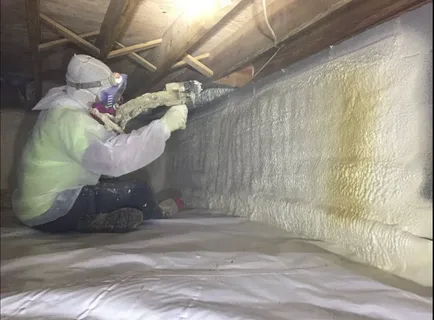
When homeowners find issues with their crawl space spray foam insulation years after it was installed, the problem is almost never the foam itself "aging." A proper installation of spray polyurethane foam (SPF) is designed to last for the life of the building. The common issues that appear over time, like peeling or cracking, are nearly always the delayed result of an improper installation. Problems stem from poor surface preparation, incorrect chemical ratios during application, or a failure to create a complete, monolithic seal against the crawl space environment.
These installation errors can create hidden pathways for moisture and pests, compromising the very benefits the foam was meant to provide. For homeowners with older spray foam, understanding the signs of a faulty application is the key to diagnosing and fixing the problem before it leads to more serious damage. This guide, based on the field experience of insulation professionals, breaks down the most common issues and what causes them.
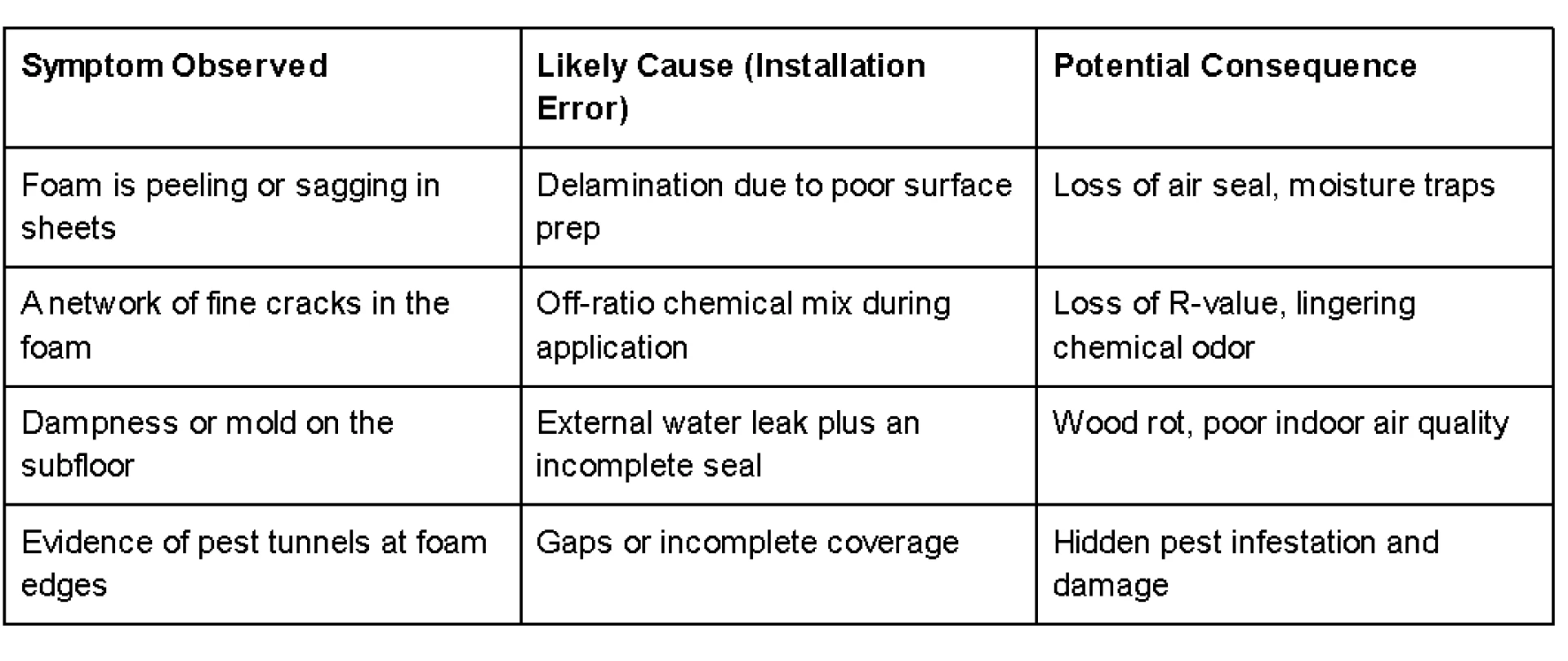
Delamination and Peeling Foam
The most frequently seen problem in older crawl space applications is delamination. This is when the spray foam pulls away from the surface it was applied to, whether that's the subfloor, rim joists, or foundation walls. It can look like a large, sagging bubble or a sheet of foam that has peeled away completely.
The root cause of delamination is almost always poor surface preparation. Spray foam needs a clean, dry, and oil-free surface to create a permanent chemical bond. If an installer sprays over a dusty, damp, or dirty subfloor, the foam will stick initially but can lose its grip over the years as the house shifts and settles. This is not a failure of the foam product; it's a failure of the application process. Once a section delaminates, it creates a void where air and moisture can collect, defeating the purpose of the insulation and potentially creating a hidden environment for mold or wood rot.
Bonus Tip: A professional inspecting a crawl space will often use their hand to tap or press on the foam. A hollow, drum-like sound can indicate a hidden area of delamination that isn't yet visible.
Cracking, Shrinkage, and Bad Curing
While less common than delamination, seeing a network of cracks or evidence that the foam has shrunk away from the floor joists is a serious red flag. This points to a fundamental problem with the chemical mixture during the initial installation.
Spray foam is created by mixing two chemical components on-site under specific temperature and pressure settings. If the installer's equipment is not calibrated correctly, or if they spray too quickly or in conditions that are too cold, the resulting foam can be "off-ratio." An off-ratio mix results in an unstable product that can shrink, become brittle, and crack over time. In some cases, it can also lead to a lingering chemical odor because the foam never fully cured. This is a significant installation error that often requires complete removal of the affected material.
Issues Arising from Moisture and Pests
Closed-cell spray foam is an excellent moisture barrier and is not a food source for pests. However, it can still be part of a larger moisture or pest problem if it wasn't installed correctly.
If an installer leaves gaps or thin spots in the foam application, they create highways for pests like termites or rodents to travel undetected between the foam and the subfloor. Similarly, if there is a plumbing leak or groundwater intrusion in the crawl space, water can become trapped behind poorly sealed foam. Because closed-cell foam is a vapor barrier, it won't let that trapped moisture dry out, which can accelerate wood rot and create a breeding ground for mold. The foam itself is not the problem, but a flawed installation can hide and worsen the effects of an external issue.
Diagnosing Crawl Space Foam Problems
This table can help homeowners identify potential issues based on the symptoms they observe.
Things to Consider Before a Repair
If you suspect an issue with your crawl space insulation, the first step is to get a professional assessment. Before moving forward with a repair, consider these points.
- Identify the Root Cause: Is the problem the result of a bad installation, or was it caused by an external issue like a plumbing leak? Fixing the foam without fixing the source of the water won't solve the problem.
- Determine the Scope of the Failure: Is it a small, localized area of peeling, or is the problem widespread? A small repair can be straightforward, but extensive delamination or off-ratio foam may require a full removal and replacement.
- Vet the Repair Contractor: Look for a company with specific experience in insulation removal and remediation. This is a different skill set than new installation. They need the right equipment and safety protocols to remove the old material safely and prepare the surface properly for a new application.
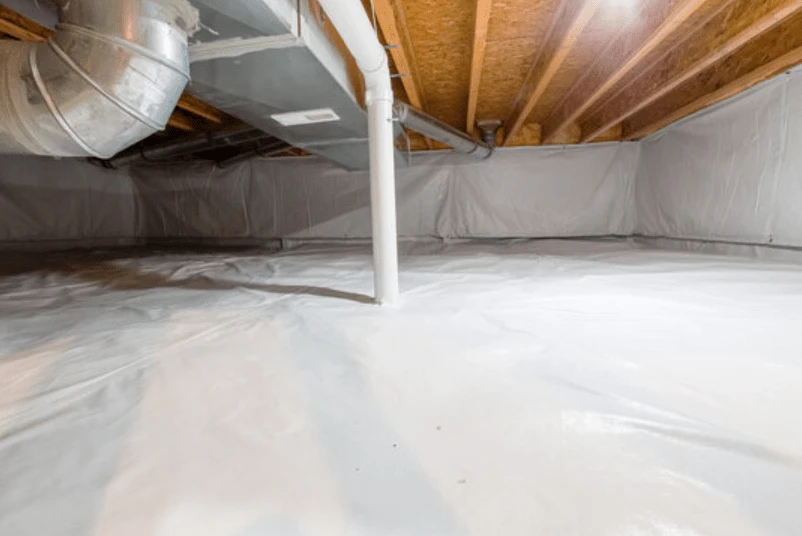
Bonus Tip: A complete crawl space solution often involves more than just insulation. A good contractor will also assess the ground cover (vapor barrier), drainage, and ventilation to address the entire crawl space environment as a system.
Questions People Ask About Crawl Space Foam
Can new foam just be sprayed over the old, damaged sections?
No, this is not a proper repair. The old, failing foam must be completely removed down to the original substrate. The surface then needs to be meticulously cleaned and prepared to ensure the new foam will adhere correctly and permanently.
How do I know if my crawl space foam needs an inspection?
Annual visual checks are a good idea. Key warning signs that you need a professional inspection include a sudden increase in energy bills, floors that feel cold or damp, or a musty, earthy smell in your home, which often indicates a crawl space moisture problem.
Is removing old spray foam a DIY project?
It is strongly discouraged. Removing spray foam is an extremely difficult, labor-intensive process that creates a lot of dust and debris. Professionals use specialized tools and wear full personal protective equipment (PPE) to do the job safely and effectively.
Was the wrong type of foam used in my crawl space?
It's possible. Open-cell foam, which acts like a sponge, should never be used in a damp environment like a crawl space. Only closed-cell foam, which is waterproof and a true vapor barrier, is appropriate for below-grade applications.
How long should a proper installation last?
When installed correctly on a properly prepared surface, closed-cell spray foam insulation in a crawl space should last for the entire life of the building without degrading, shrinking, or losing its performance.
Arranging a Professional Inspection
Most issues with "aging" spray foam are ghosts of a poor initial installation. For homeowners dealing with these problems, the solution is to remove the failed material, correct any underlying issues like moisture intrusion, and have new foam installed by a certified, reputable professional. A proper repair will provide a permanent solution.
If you have concerns about the insulation in your crawl space, the best course of action is to schedule a professional evaluation. For homeowners in the Fresno area, the experienced team at Supreme Spray Foam Fresno can provide a thorough inspection. They can identify any issues and recommend a clear path forward for repairs. To schedule a visit, they can be reached at [email protected] or by phone at (559) 545-0800.
Reviewer: Emma Robinson contributed her knowledge from 8 years working with the spray foam industry. Her review helped shape this content with ideas grounded in what contractors and homeowners actually value.