Cloud adoption is no longer optional for enterprises that want to stay ahead. But adopting cloud technology without a structured approach can lead to spiraling costs, security vulnerabilities, and poor performance. That is why selecting the right Azure cloud services provider is as important as choosing the platform itself. Microsoft Azure cloud services offer enormous potential — but realizing that potential requires expertise, discipline, and a long-term partnership mindset.
What Microsoft Azure Cloud Services Actually Cover
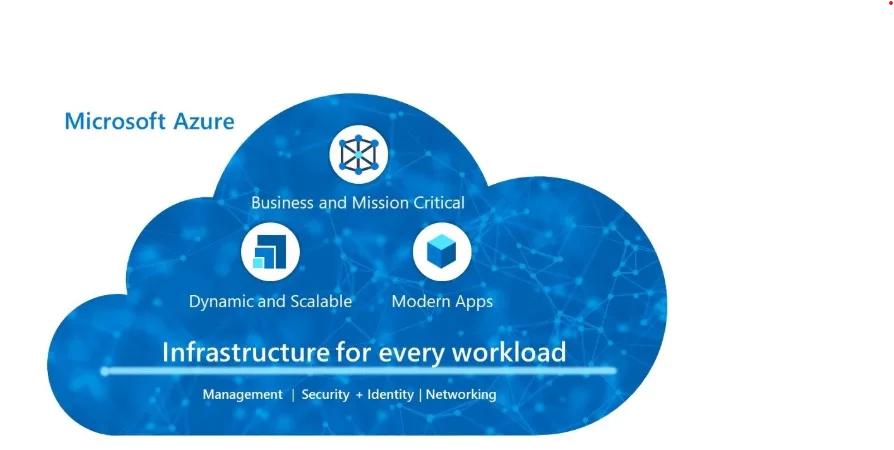
When businesses talk about Microsoft Azure cloud services, they are referring to a comprehensive ecosystem of capabilities — not just virtual machines or storage. Azure covers infrastructure, platform services, identity management, security governance, hybrid connectivity, disaster recovery, cost management, and AI-powered solutions. All of these capabilities are interconnected, and how they are designed and operated together determines the real business outcome.
The Role of an Azure Cloud Services Provider
An Azure cloud services provider does more than deploy resources in the cloud. The right provider brings:
Architectural Expertise — Designing cloud environments that are scalable from day one, with governance and security embedded rather than added later.
Migration Strategy — Moving workloads to Azure with minimal disruption, ensuring applications perform better in the cloud than they did on-premise.
Ongoing Operations — Managing cloud environments proactively, monitoring performance, and resolving issues before they impact the business.
Cost Governance — Implementing FinOps practices that give organizations full visibility and control over cloud spending.
Security and Compliance — Ensuring that every layer of the Azure environment meets the organization's regulatory and risk requirements.
Key Azure Cloud Capabilities Delivered by Expert Providers
Cloud Architecture and Landing Zones — A governed, secure foundation for all cloud workloads, covering networking, identity, and policy frameworks.
Azure IaaS — Compute, storage, and networking for mission-critical workloads that require dedicated control and configuration.
Azure PaaS — Managed services that allow development teams to build and scale applications without managing infrastructure.
Hybrid and Multi-Cloud Solutions — Connecting on-premise environments with Azure seamlessly, using consistent security and management frameworks.
Resilience and Disaster Recovery — Backup strategies and recovery plans aligned to actual business continuity requirements.
Who Benefits Most From Azure Cloud Services?
Enterprises across manufacturing, financial services, retail, professional services, and other data-intensive sectors benefit significantly from Microsoft Azure cloud services. Whether the goal is migrating legacy applications, enabling real-time analytics, deploying AI solutions, or improving operational resilience — Azure provides the platform, and the right provider delivers the outcome.
Conclusion
The value of Microsoft Azure cloud services is not unlocked by technology alone. It is unlocked by the right architecture, the right operations model, and the right Azure cloud services provider working alongside your team. Organizations that make this investment see faster innovation, stronger security, and cloud costs that align with real business value — not runaway infrastructure bills.