High energy bills, drafts, and uneven temperatures often point to a compromised building envelope. Investing in professional Insulation Services immediately addresses these issues by creating an airtight barrier that stops heat transfer.
This guide shows you how proper thermal barriers keep your indoor climate steady while lowering utility costs. Industry data shows that homeowners save an average of 15% on heating and cooling expenses by sealing drafts.
Experienced building specialists understand that every property requires a tailored approach based on local climate and structural design. Proper analysis ensures that you get the right materials for your specific needs.

How Poor Sealing Leads to High Utility Bills
Drafts and temperature swings often stem from old or degraded materials in your attic and walls. Heat naturally moves to colder spaces, forcing your heating system to work much harder to keep up.
This constant operation drives up electricity and gas costs throughout the year. Installing modern Insulation Services prevents this heat movement and keeps your home comfortable in every season.
- Air leaks around electrical outlets
- Drafty crawl spaces and uninsulated attics
- Thin barriers in older exterior walls
- Gaps around plumbing penetrations
What Are the Most Common Energy Issues in Homes?
Many properties suffer from poor temperature regulation due to outdated materials. Recognizing these common warning signs helps you address them before they cause structural damage.
Uneven Temperatures Between Rooms
You might notice your upstairs bedrooms stay hot while the main floor remains cold. This happens when heat rises and escapes through an under-insulated roof during the winter months.
Check Attic Floor Depth
Measure your attic material; if you can see your floor joists, you need more depth. Adding another layer can quickly stabilize your indoor temperatures.
Moisture Accumulation and Mold Growth
When warm air meets cold, uninsulated surfaces, condensation forms. This moisture encourages mold growth, which damages wood framing and affects indoor air quality.
Verify Ventilation Channels
Never block your soffit vents with new material, as attic airflow prevents moisture buildup. Proper airflow works together with thermal barriers to keep spaces dry.
Overworked Heating and Cooling Systems
HVAC units wear out much faster when they run constantly to fight drafty conditions. Replacing worn barriers protects your heating equipment and extends its operational lifespan.

Performance Comparison of Common Thermal Barriers
Selecting the right material depends on your specific budget and performance needs. Let us compare the most common options available today.

The Value of Professional Installation Work
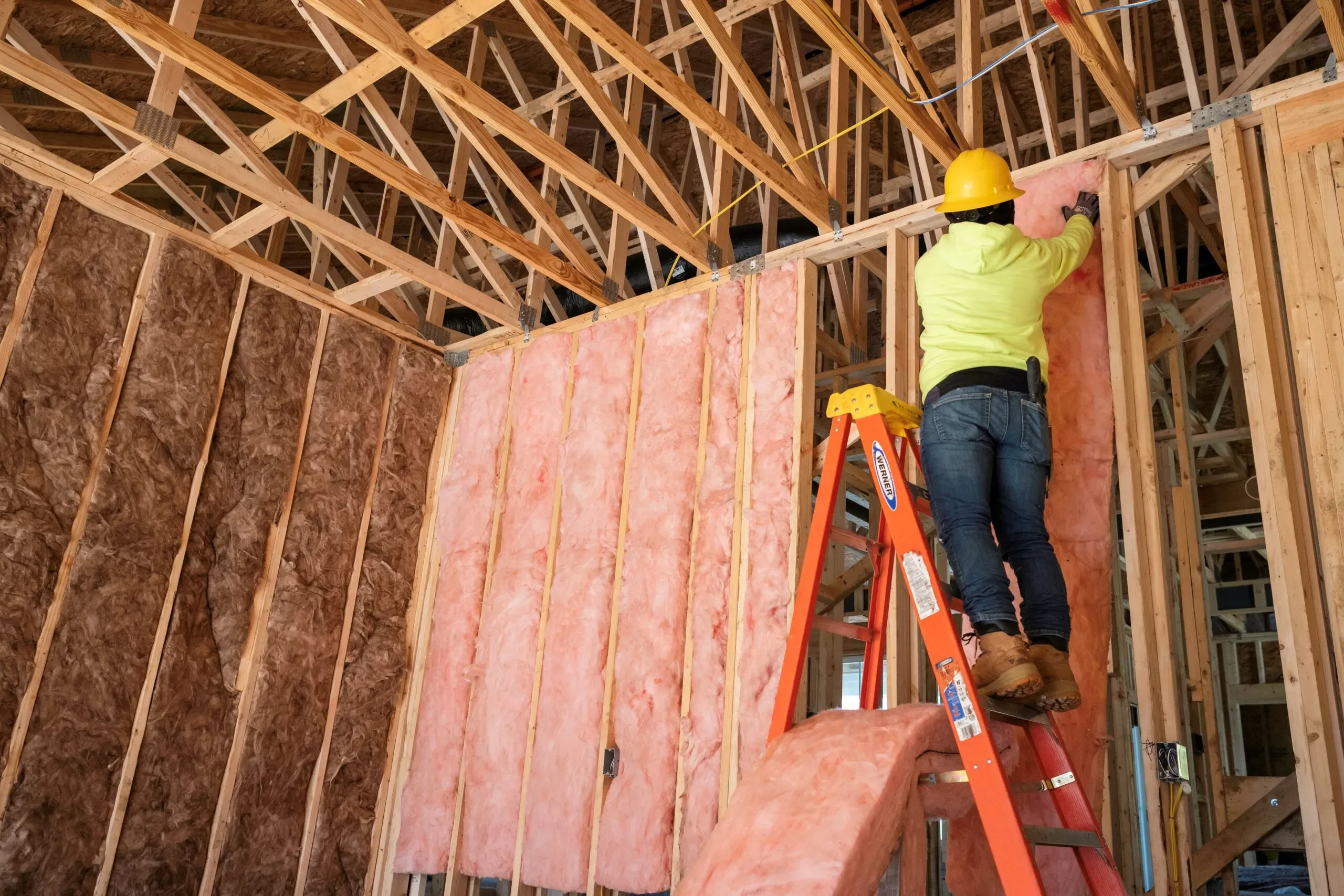
Hiring an experienced insulation contractor ensures that materials are placed correctly without leaving gaps. Mistakes during DIY projects can cause moisture traps and reduced thermal performance.
Professionals use specialized tools to evaluate your home and locate hidden air leaks. They can recommend advanced insulation solutions tailored to your local weather patterns.
Using high-performance options like spray foam insulation requires careful safety protocols and precise mixing. Expert crews ensure these products expand correctly to seal every tiny crack.
Incorrectly installed materials can sag or settle over time, leaving upper walls completely unprotected. Professional teams stand behind their work with warranties that protect your investment.
Factors to Evaluate Before Selecting New Thermal Materials
Before starting any home improvement project, you must weigh several factors to ensure long-term satisfaction.
Local Climate DemandsHomes in cold northern regions require higher R-value materials than those in mild southern climates. Understanding your local climate zone helps you avoid overspending on unnecessary products.
Existing Structural IssuesAlways fix active roof leaks or electrical issues before putting down new thermal layers. Trapping moisture under new barriers leads to wood rot and costly repairs.
Long-Term Savings GoalsWhile high-end options have higher upfront costs, they provide much lower monthly utility bills. Calculate your expected return on investment over five to ten years.
Regional Building Code Standards
Modern building codes often require specific R-values depending on your county. Professional Insulation Services providers keep up with these rules to keep your property compliant.
Finding the Right Path Forward for Your Home
Managing indoor comfort and high utility bills requires a systematic approach to sealing your home. Upgrading your thermal barriers stops drafts and protects your heating systems from unnecessary wear.
By addressing these issues, you protect your property value and ensure a comfortable living space for years. Take time to inspect your current setup and consult with experts to choose the right materials.
Get a Free Quote Today to Improve Your Home Comfort and Energy Efficiency
If you want to stop drafts and lower your bills, contactAll Foam & Insulation, LLC. Their expert team delivers top-tier Insulation Services designed to protect your home. You can reach them directly by calling (541) 826-9600 or emailing [email protected] to request a free quote. View their office location on the Google Map to see how they serve your local community.
What Should You Know About Upgrading Your Thermal Protection
How long do modern thermal barriers last?
Fiberglass can last up to fifty years, while advanced spray products often last for the lifetime of the home. Regular inspections help ensure they remain effective.
Can you install new barriers over old ones?
Yes, you can add new cellulose or fiberglass over existing dry material. However, you must remove old material if it is wet, moldy, or compressed.
What is R-value, and why does it matter?
R-value measures a material's resistance to heat flow. A higher number means better thermal performance and greater monthly energy savings for your household.
How do you know if your attic needs attention?
If you notice ice dams on your roof in winter or hot ceilings in summer, your attic likely lacks sufficient protection. A quick physical inspection can confirm this.
Does thermal protection help with noise reduction?
Yes, dense materials absorb sound waves, making your indoor living areas much quieter by blocking outside street noise and wind.