
What Should Fleet Owners Know About Commercial Truck Repair Costs?
Running a commercial truck fleet in Canada comes with plenty of expenses. Fuel, insurance, driver wages, licensing, tires, and regular servicing all have to fit into the operating budget. One expense that can be harder to predict is commercial truck repair costs.
A truck can run smoothly for months and then suddenly need brake work, electrical repairs, a cooling system component, or engine service. Canadian operating conditions can make these challenges even more noticeable. Long highway routes, heavy loads, winter temperatures, snow, ice, and rough roads can place considerable stress on commercial vehicles.
The good news is that fleet owners can plan for many common repair categories. You cannot predict every mechanical problem, but you can understand where repair expenses commonly come from and prepare your maintenance budget accordingly.
Which Commercial Truck Repairs Should Canadian Fleets Expect?
Every truck is different, but certain systems require regular attention as vehicles accumulate kilometres and operating hours. Brakes, tires, suspension components, electrical systems, cooling systems, and diesel engines are all important areas for fleet managers to monitor.
The age of the truck also matters. Newer vehicles may have more advanced electronic and emissions systems, while older trucks can require more frequent mechanical repairs.
Common repair areas include:
- Heavy-duty brake service and brake component replacement
- Commercial tire repair and replacement
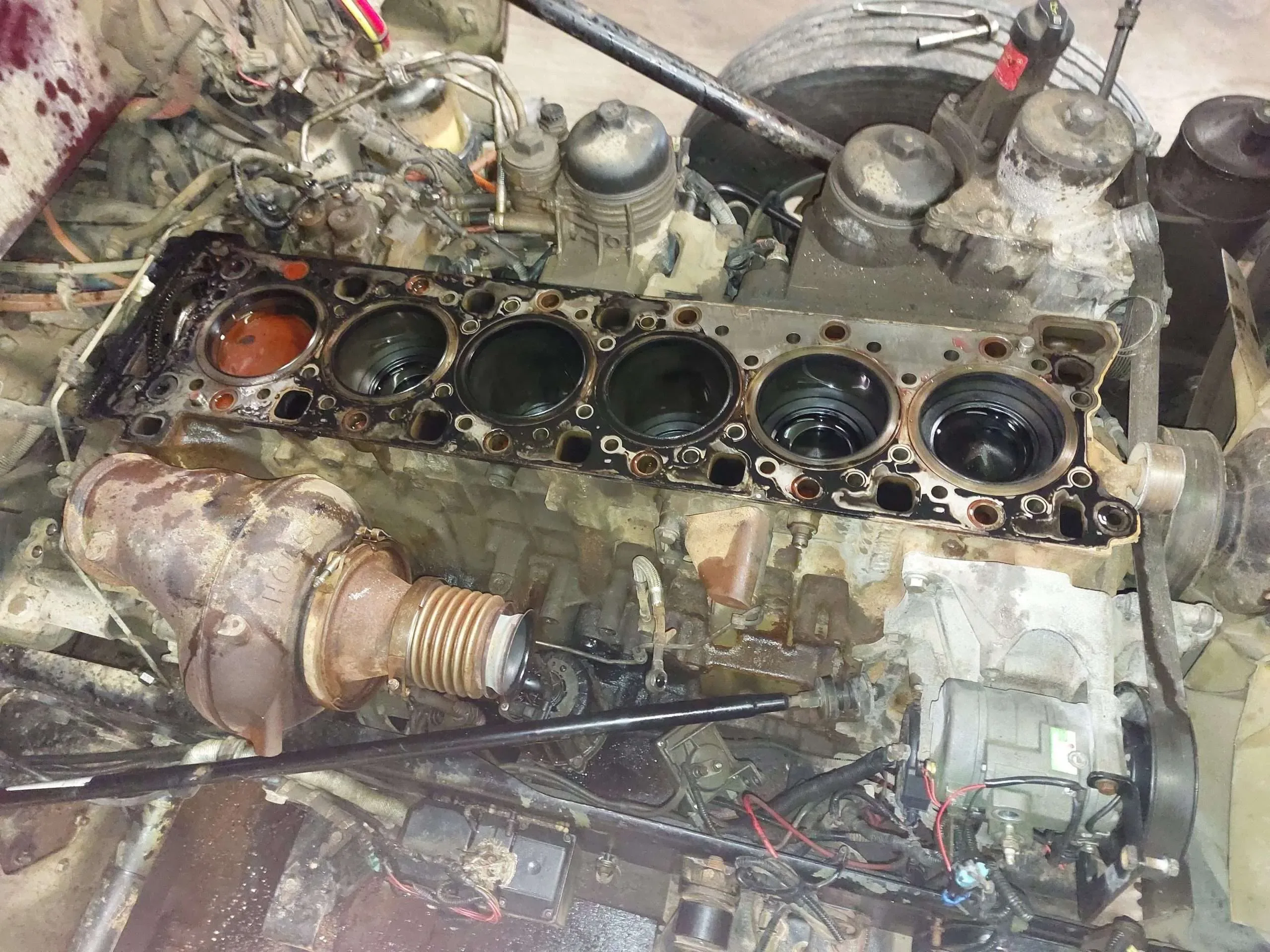
- Diesel engine repair and related component service
- Electrical and diagnostic repairs
- Cooling system and overheating repairs
- Suspension and steering component replacement
- Exhaust and emissions system service
- Heating and air-conditioning repairs
Planning for these categories gives fleet managers a more realistic view of their annual maintenance spending.
How Much Can Heavy-Duty Brake Repairs Affect a Fleet Budget?
Brakes work hard every day, especially on trucks carrying heavy loads or travelling through areas with frequent stops and changing road conditions. Wear can affect brake pads, shoes, drums, rotors, chambers, slack adjusters, and other components.
A scheduled inspection may identify worn parts before they create a larger problem. However, ignoring brake issues can result in additional repairs and unexpected downtime.
Canadian fleet operators should treat truck brake maintenance as an ongoing operating expense rather than waiting until a driver reports a serious braking problem. Regular inspections also provide an opportunity to schedule repairs when the truck is already receiving other service.
What Should Fleet Owners Budget for Truck Tires?
Tires are another major expense for commercial vehicles. Long-distance driving, heavy loads, improper inflation, alignment problems, road debris, and extreme temperatures can all affect tire life.
A small puncture may require a relatively simple repair, while sidewall damage or severe tread wear can mean replacing the tire. For a large fleet, replacing several commercial tires at once can create a significant expense.
This is why commercial truck tire maintenance deserves attention during regular inspections. Proper inflation, tread checks, alignment, and early identification of uneven wear can help fleet operators manage tire spending and reduce avoidable roadside problems.
And yes, checking tire pressure in the yard is much more pleasant than discovering a tire problem halfway through a winter haul.
When Can Diesel Engine Repairs Become Expensive?
Engine problems can range from relatively simple component replacements to major mechanical repairs. Sensors, belts, hoses, fuel system components, turbochargers, cooling components, and internal engine parts can all require service during a truck's working life.
This makes diesel engine maintenance particularly important for fleets operating trucks across Canada. Regular oil and filter service, inspections, fluid checks, and diagnostic testing can help identify developing problems.
A driver may notice unusual smoke, changes in engine performance, excessive oil consumption, strange noises, or warning lights before a major failure occurs. Reporting these signs early gives fleet managers more opportunity to investigate the problem before it becomes a larger repair.
How Do Electrical Problems Add to Repair Expenses?
Modern commercial trucks depend on electrical and electronic systems for starting, charging, lighting, sensors, engine controls, emissions equipment, and other functions.
Electrical faults can sometimes take time to diagnose because the visible symptom may not identify the actual source. A damaged wire, poor connection, weak battery, alternator problem, or failed sensor can produce confusing symptoms.
For that reason, heavy-duty electrical diagnostics can be an important part of a fleet's repair budget. Proper testing helps technicians identify the source of the problem instead of replacing parts based only on symptoms.
What Cooling System Repairs Should Fleets Watch?
Canadian summers can bring high temperatures, while heavy loads and long highway trips can place additional demands on a truck's cooling system. A damaged radiator, leaking hose, faulty water pump, thermostat problem, or cooling fan issue can contribute to overheating.
A truck that repeatedly runs hot should not simply be put back into service without finding the cause. Continued overheating can potentially result in much more serious engine damage.
Regular truck cooling system maintenance can include checking coolant levels, hoses, belts, radiator condition, and related components.
How Can Preventive Maintenance Control Fleet Repair Expenses?
Preventive maintenance cannot eliminate unexpected repairs, but it can help fleet owners identify developing problems earlier. Scheduled inspections allow technicians to examine components before a minor issue becomes a major failure.
A practical fleet maintenance program may include:
- Scheduled oil and filter service
- Brake and tire inspections
- Battery and charging system checks
- Cooling system inspections
- Steering and suspension checks
- Diagnostic testing when warning signs appear
- Seasonal inspections before winter and summer operation
The key is consistency. A maintenance schedule works best when drivers, fleet managers, and technicians communicate about vehicle condition.
You cannot control every repair bill, but you can control how prepared your fleet is for the next one.
Where Can Canadian Fleet Owners Reduce Unexpected Repair Problems?
Good records can make a surprising difference. Fleet managers should keep track of service dates, mileage, recurring faults, component replacements, inspections, and major repairs.
These records can reveal patterns. If one truck repeatedly develops the same issue, the fleet manager can investigate whether there is an underlying mechanical, operating, or maintenance problem.
Seasonal planning also matters in Canada. Before winter, fleets should pay attention to batteries, heating systems, coolant, tires, brakes, and other components affected by cold conditions. Before summer, cooling systems and air conditioning deserve additional attention.
When Should a Fleet Truck Go in for Repair?
Fleet managers should not wait for a complete breakdown before arranging service. Warning lights, unusual noises, fluid leaks, overheating, poor braking, starting problems, steering changes, and unusual engine performance all deserve attention.
A professional heavy-duty truck repair inspection can help determine whether a problem requires immediate attention or can be scheduled around the fleet's workload.
Planning repairs around scheduled downtime can also help reduce disruption. A truck that receives timely service is easier to manage than one that fails unexpectedly during a delivery.
How Can Fleet Owners Build a More Realistic Repair Budget?
A useful starting point is to review previous repair records. Look at how much the fleet has spent on brakes, tires, engines, electrical work, suspension, cooling systems, inspections, and other repairs.
Fleet owners can then consider the age, mileage, operating environment, and workload of each vehicle. Trucks that travel long distances or carry heavy loads may have different maintenance requirements from vehicles used for shorter local routes.
It is also important to leave room for unexpected repairs. Even a well-maintained truck can experience an unexpected component failure.
Final Thoughts on Commercial Truck Repair Planning
Understanding common commercial truck repair expenses can help Canadian fleet owners make better maintenance plans. Brakes, tires, diesel engines, electrical systems, cooling systems, suspension components, and other systems all contribute to the overall cost of keeping a fleet on the road.
Regular inspections, accurate service records, preventive maintenance, and timely repairs can make fleet expenses easier to manage. Instead of treating every repair as a surprise, fleet owners can plan around the areas that commonly require attention.
If one of your trucks is showing unusual symptoms or is due for major service, arrange an inspection before the next long haul. A professional assessment can help identify what needs attention and allow you to plan the repair before a small problem turns into costly downtime.