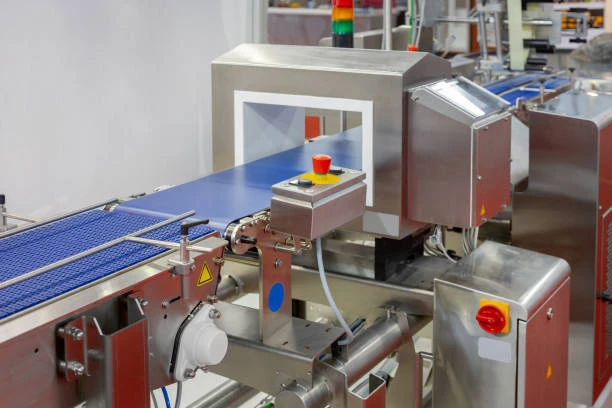
Metal detection is critical in the food industry to ensure product safety, maintain consumer trust, and comply with regulatory standards. However, achieving consistent and reliable metal detection isn't always straightforward. Food manufacturers often face a range of challenges that can impact the effectiveness of their inspection systems.
Understanding these obstacles — and more importantly, how to overcome them — is essential for maintaining high product quality and operational efficiency. In this post, we'll explore some of the most common challenges in food industry metal detection and offer practical solutions for each.
1. Product Effect
The Challenge: Many food products themselves can interfere with metal detectors. Moist, salty, or conductive foods like bread, meat, cheese, and seafood create a signal known as the "product effect." This signal can mimic or mask the signal generated by actual metal contaminants, making it harder to detect small pieces of metal accurately.
How to Overcome It:
- Use the Right Technology: Choose metal detectors specifically designed to handle high product effect. Systems with multi-frequency or simultaneous multi-spectrum scanning can better differentiate between the product and contaminants.
- Product Calibration: Calibrate the metal detector with real product samples under production conditions (not just dry, clean versions).
- Optimize Sensitivity Settings: Adjust sensitivity to account for product effect while maintaining the highest possible detection capabilities without causing false rejects.
2. Environmental Interference
The Challenge: Food Metal detectors can be affected by their environment. Vibrations from nearby machinery, electromagnetic interference (EMI) from equipment like motors or conveyors, and temperature fluctuations can all introduce noise that reduces detection accuracy.
How to Overcome It:
- Proper Installation: Install metal detectors away from sources of heavy vibration or EMI. Use vibration-isolated mounts and shielded wiring where necessary.
- Environmental Shielding: Some metal detectors come with built-in shielding or environmental compensation features to minimize external noise.
- Regular Environmental Checks: Conduct audits of the surrounding environment to identify new sources of interference and adjust settings or layouts accordingly.
3. Inconsistent Product Presentation
The Challenge: For metal detection to be effective, products must pass through the detection field in a consistent manner. Variations in height, orientation, or position can cause missed detections or false alarms.
How to Overcome It:
- Conveyor Control: Use consistent, properly aligned conveyor belts and product guides to ensure items enter the metal detector at the same height and orientation.
- Spacing Between Products: Maintain a consistent gap between products to avoid overlapping signals.
- Reject Mechanism Synchronization: Ensure that reject mechanisms (like pushers or air blasts) are properly timed and positioned to remove contaminated products without affecting good ones.
4. Sensitivity vs. False Rejects
The Challenge: Highly sensitive metal detectors can sometimes result in frequent false rejects, where perfectly good products are mistakenly identified as contaminated. False rejects lead to wasted product, increased labor, and lower efficiency.
How to Overcome It:
- Balance Sensitivity and Reliability: Find the right sensitivity setting that balances detecting real contamination without excessive false positives.
- Use "Phase Tracking" Technology: Some modern detectors can dynamically adjust for minor product variation without losing sensitivity.
- Data Analysis: Regularly analyze false reject incidents to see if they are linked to specific product conditions, environmental factors, or operational practices.
5. Equipment Wear and Maintenance Issues
The Challenge: Over time, metal detectors can suffer from wear and tear, reducing their effectiveness. Dirty sensors, worn conveyors, or outdated electronics can all contribute to detection failures.
How to Overcome It:
- Routine Preventive Maintenance: Schedule regular maintenance checks, including cleaning, mechanical inspections, and recalibrations.
- Staff Training: Ensure operators and maintenance teams are trained to recognize early signs of equipment issues.
- Invest in Quality Equipment: Choose robust, industry-rated metal detectors designed for the rigors of food manufacturing environments.
6. Material Type Limitations
The Challenge: Metal detectors typically find it easier to detect ferrous metals (like iron or steel) than non-ferrous metals (like aluminum or stainless steel). However, non-ferrous metals are often found in modern food processing environments.
How to Overcome It:
- Use Multi-Frequency or Dual-Signal Detectors: These models can better identify a wider range of metal types, including difficult-to-detect non-ferrous metals.
- X-ray Inspection: For extremely challenging applications, X-ray systems can sometimes provide better overall contaminant detection, including non-metallic materials like glass or stone.
7. Regulatory Compliance Challenges
The Challenge: Food manufacturers must comply with standards such as HACCP, BRCGS, or the FDA’s Food Safety Modernization Act (FSMA). Non-compliance can result in recalls, fines, and reputation damage.
How to Overcome It:
- Detailed Documentation: Maintain complete records of metal detector calibration, validation, and performance checks.
- Standardized Procedures: Implement clear inspection protocols that align with industry best practices and regulatory requirements.
- Third-Party Audits: Conduct regular audits to ensure compliance and identify areas for improvement.
8. Training and Human Error
The Challenge: Even the best technology can't prevent problems if operators aren’t properly trained. Incorrect settings, failure to respond to alarms, or improper maintenance can all lead to detection failures.
How to Overcome It:
- Comprehensive Training Programs: Provide all employees with thorough, ongoing training on the use, care, and troubleshooting of metal detection systems.
- Clear SOPs (Standard Operating Procedures): Document every aspect of metal detector use — from daily checks to alarm handling — so there’s no confusion.
- Encourage a Culture of Food Safety: Foster an environment where food safety is everyone's responsibility, not just the quality department's.
Final Thoughts
Metal detection in the food industry is vital but comes with a unique set of challenges. From product effect issues to environmental interference and human error, manufacturers must be proactive in addressing these obstacles. By choosing the right equipment, implementing strong maintenance practices, optimizing processes, and investing in staff training, food manufacturers can dramatically improve detection performance and ensure safer products.
A strategic approach not only minimizes risks but also strengthens your brand’s reputation for quality and safety — a win for both your business and your customers.