Commercial water bubblers are an essential feature in many Australian workplaces, schools, healthcare facilities, shopping centres and public spaces. They provide convenient access to drinking water while supporting hydration, workplace comfort and the needs of visitors, employees and students.
However, choosing the right commercial water bubbler involves more than selecting a design that suits the space. Factors such as installation requirements, water temperature, filtration, durability, accessibility, maintenance and water efficiency can all influence the suitability of a unit.
Whether you are upgrading an existing facility or planning a new commercial fit-out, understanding the different types of water bubblers and their features can help you make an informed purchasing decision.
What Is a Commercial Water Bubbler?
A commercial water bubbler is a drinking water fixture designed to provide water directly to users in shared environments. It typically connects to a building's water supply and includes a drinking outlet, drainage system and controls for operating the water flow.
Depending on the model, a water bubbler may provide ambient or chilled water, incorporate filtration or include an integrated bottle-filling station.
Unlike domestic drinking water appliances, commercial water bubblers are generally selected for frequent use, durability and suitability for public or workplace environments.
Common installation locations include:
- Offices and commercial buildings
- Schools, colleges and universities
- Hospitals and healthcare facilities
- Factories, warehouses and staff amenities
- Shopping centres and retail facilities
- Parks, sporting venues and recreation centres
The ideal model depends on the number of users, available space, intended application and site requirements.
Types of Commercial Water Bubblers
Understanding the available options is the first step towards selecting a suitable drinking water solution.
1. Wall-Mounted Water Bubblers
Wall-mounted water bubblers are commonly used in schools, offices, corridors and other areas where floor space is limited. They are attached to a wall and connected to the appropriate water supply and drainage infrastructure.
Their compact design makes them suitable for high-traffic areas. Depending on the model and installation height, they can also support different user needs.
When selecting a wall-mounted unit, consider wall strength, plumbing access, cleaning clearance and the height required for the intended users.
2. Freestanding Water Bubblers
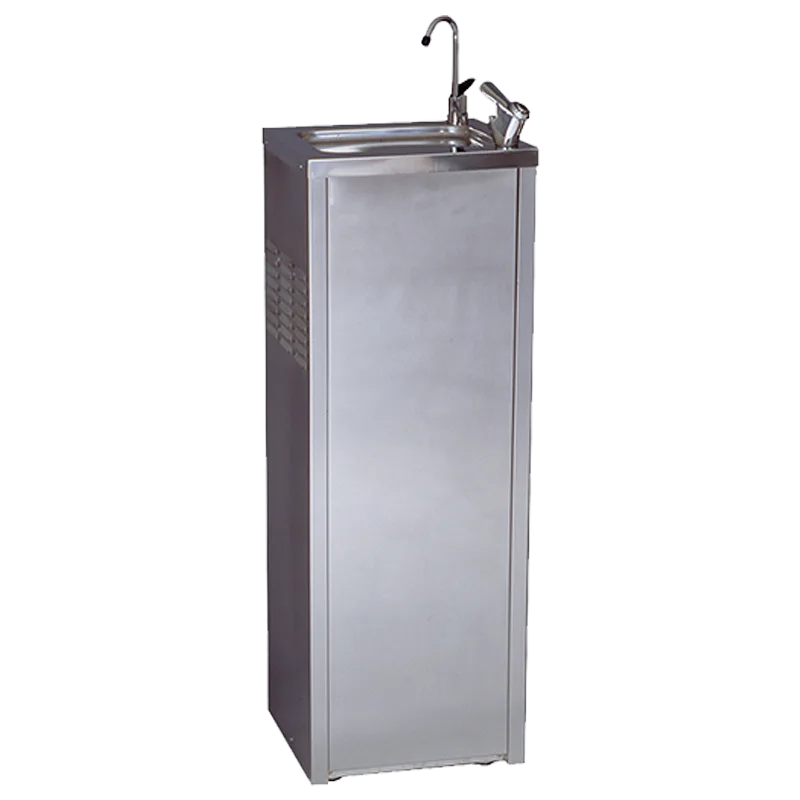
Freestanding water bubblers can be suitable for larger commercial environments, public facilities and selected outdoor applications. Their configuration may allow installation in locations where wall mounting is impractical.
Before purchasing, assess the available floor space, stability, drainage arrangements and protection against accidental damage. Outdoor units may require additional consideration for weather exposure and vandal resistance.
3. Chilled Water Bubblers
Chilled water bubblers provide cooled drinking water, making them useful in busy workplaces, gyms, schools and facilities where users prefer cold water.
These systems may incorporate an internal refrigeration unit. When comparing models, evaluate cooling capacity, expected demand, energy consumption, ventilation requirements and servicing needs.
A unit that works well in a small office may not provide sufficient chilled water during peak periods in a large facility.
4. Filtered Water Bubblers
Filtered water bubblers incorporate filtration designed to reduce particular impurities or improve taste, depending on the filter technology used.
They can be useful in offices and commercial facilities where water quality preferences are a consideration. However, filtration capabilities vary, and not every filter removes the same contaminants.
Check the manufacturer's specifications, filter replacement schedule, ongoing costs and suitability for the incoming water supply before making a decision.
5. Water Bubblers with Bottle-Filling Stations
Combination units provide a drinking outlet and a dedicated area for refilling reusable bottles. They can be particularly useful in schools, workplaces, sporting facilities and public buildings.
Bottle-filling stations may improve convenience for users who carry reusable bottles and help support efforts to reduce reliance on single-use plastic bottles.
Consider the bottle-filling clearance, filling speed, accessibility, expected usage and whether the unit provides chilled or filtered water.
Key Features to Look for in Commercial Water Bubblers
When comparing commercial water bubblers in Australia, focus on features that match your facility's daily requirements.
Durability and Construction
Commercial drinking fountains must withstand repeated use and regular cleaning. Stainless steel is a popular choice because it is durable, easy to maintain and suitable for many commercial environments.
Check the construction quality, surface finish, corrosion resistance and availability of replacement parts. For outdoor installations, consider weather exposure, potential vandalism and the manufacturer's recommendations for environmental conditions.
Water Filtration and Quality
Filtration may improve taste and reduce specific contaminants, depending on the technology used. However, a filter should not be assumed to remove every contaminant or make an unsuitable water supply safe.
Choose a system appropriate for the incoming water supply and review the manufacturer's performance claims. Establish a maintenance schedule that includes timely filter replacement and inspection of water-contact components.
Energy Efficiency
Chilled water bubblers require energy to operate their cooling systems. Look for efficient refrigeration components, appropriate insulation and operating specifications that suit expected demand.
For facilities with frequent use, compare energy consumption alongside cooling capacity. A correctly sized unit can help balance user comfort, operating costs and performance.
Touch-Free Operation
Some commercial water bubblers feature sensor-operated controls or other low-contact mechanisms. These can improve convenience in shared spaces, although they still require routine cleaning and maintenance.
Evaluate control reliability, ease of use and the availability of replacement components before selecting a model.
How to Choose the Right Water Bubbler for Your Facility
The most suitable commercial water bubbler depends on the environment in which it will be installed.
FacilityKey considerationsSchools and universitiesDurability, child-friendly design, accessibility and high usageOfficesCompact design, chilled water and bottle-filling optionsHospitals and healthcare facilitiesHygiene, maintenance access and suitability for the intended areaWarehouses and factoriesRobust construction, capacity and convenient staff accessParks and outdoor spacesWeather resistance, vandal resistance and drainageShopping centresHigh usage, accessibility and ease of maintenanceGyms and sporting venuesCooling capacity, bottle-filling speed and frequent useConsider peak demand rather than average daily usage alone. A school or sporting venue may experience substantial demand during short breaks, while an office may have more evenly distributed usage.
For larger facilities, multiple drinking water stations may be more practical than a single high-capacity unit.
Installation and Australian Compliance Considerations
Before purchasing a commercial water bubbler, confirm that the proposed installation is suitable for the building and its intended use.
Check the location of existing water connections, drainage, electrical supply for chilled models and the clearance needed for installation and servicing. Outdoor installations may also require additional protection against weather and damage.
Accessibility should be considered during the planning stage. Select suitable mounting heights, controls and clear floor space for the intended users, and confirm applicable Australian requirements with the building designer or relevant authority.
Use appropriately qualified plumbing professionals and check the applicable plumbing regulations, standards and local requirements. Product specifications and installation instructions should be reviewed before work begins.
For food businesses, drinking water facilities should not be confused with dedicated handwashing basins. The Australia New Zealand Food Standards Code establishes separate requirements for food-handler handwashing facilities. Consult the relevant local authority when planning facilities for a commercial kitchen or food premises. <Cite refs={["turn224204search4","turn224204search0"]}/>
Maintenance Tips for Commercial Water Bubblers
Regular maintenance helps keep commercial drinking water systems operating reliably and hygienically.
Follow a documented maintenance schedule that includes:
- Routine cleaning: Clean drinking outlets, surrounding surfaces and bottle-filling areas using appropriate products.
- Filter replacement: Replace filters according to the manufacturer's schedule and actual operating conditions.
- Leak inspections: Check taps, connections, drainage and visible pipework for signs of leaks.
- Cooling system servicing: Arrange appropriate inspections for chilled water models.
- Performance checks: Investigate reduced water flow, unusual noises, inconsistent cooling or changes in taste.
- Drainage checks: Ensure waste outlets remain clear and water drains properly.
Maintenance frequency depends on the model, usage levels, water quality and manufacturer recommendations. Keep service records to help facility managers identify recurring problems and plan replacements.
What Affects the Cost of Commercial Water Bubblers?
The total cost of installing commercial water bubblers depends on several factors, so it is worth evaluating the full project rather than comparing purchase prices alone.
Important cost considerations include:
- Type of bubbler and construction material
- Chilling and filtration features
- Integrated bottle-filling functionality
- Plumbing and drainage modifications
- Electrical work for powered units
- Installation labour and accessibility requirements
- Ongoing cleaning, filter replacement and servicing
A basic ambient-water model may involve lower initial costs than a chilled, filtered unit with a bottle filler. However, the right choice depends on the expected usage, available infrastructure and long-term operating requirements.
Request a detailed quotation that separates equipment, installation and ongoing maintenance costs. This makes it easier to compare options and assess long-term value.
Conclusion
Commercial water bubblers provide convenient access to drinking water in Australian schools, workplaces, healthcare facilities, industrial sites and public spaces. Choosing the right system requires careful consideration of its design, capacity, filtration, cooling performance, accessibility, durability and maintenance requirements.
Start by identifying your facility's needs, estimating peak demand and checking installation constraints. Then compare models based on their specifications, expected operating costs and suitability for the intended environment.
By selecting a well-designed commercial water bubbler and maintaining it regularly, businesses and facility managers can provide a reliable drinking water solution that supports everyday convenience and long-term value.
Frequently Asked Questions
What is the best type of commercial water bubbler?
The best option depends on the facility. Wall-mounted models suit space-constrained areas, chilled bubblers suit locations where cold water is preferred, and units with bottle fillers are useful in busy workplaces, schools and sporting facilities.
Are commercial water bubblers available with water filters?
Yes. Some models include filtration systems designed to improve taste or reduce specific contaminants. Check the filter specifications, performance claims and replacement requirements before purchasing.
How often should commercial water bubblers be serviced?
Service intervals vary by model, usage and water quality. Follow the manufacturer's recommendations and arrange inspections when performance issues occur. Cleaning and filter replacement should be included in the maintenance plan where applicable.
Are water bubblers suitable for outdoor installation?
Some models are designed for outdoor use. Check their weather resistance, construction, drainage requirements and suitability for the intended environment before installation.
What should Australian businesses consider before installing a water bubbler?
Businesses should assess capacity, water supply, drainage, accessibility, installation costs and maintenance needs. They should also confirm relevant plumbing, building and accessibility requirements for the premises.
Are water bubblers and drinking fountains the same?
The terms are often used interchangeably in Australia. However, product designs vary, so compare the actual features, installation type, and intended application rather than relying on the product name alone.