
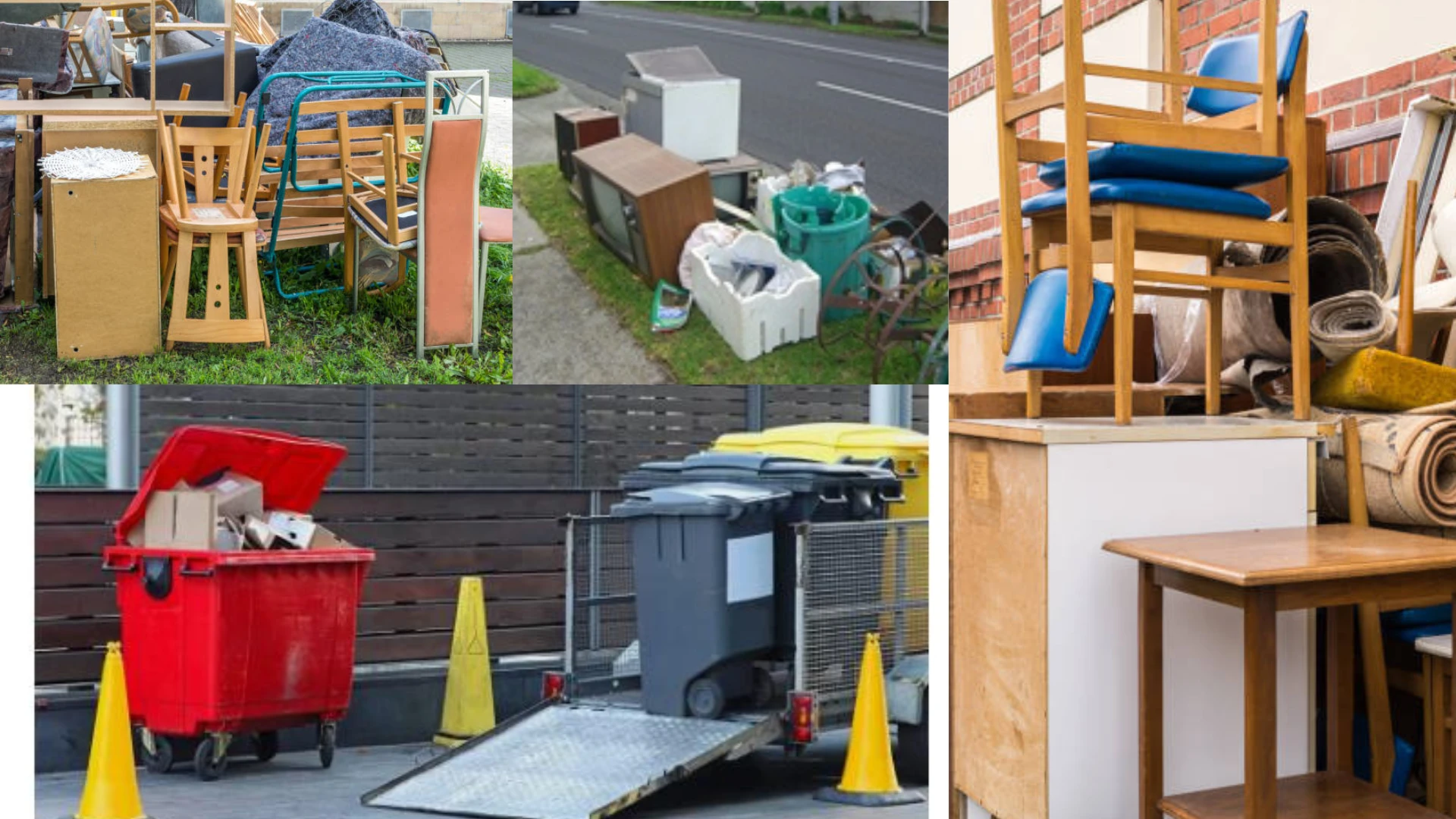
Commercial buildings and commercial properties across the nation generate far more garbage than most people realise. There are waste materials of all kinds from retail properties, warehouses, offices, hospitals, venues and businesses. They have different types of waste that fall under different rules for waste removal and disposal. Operations can slow down in the absence of proper waste removal and waste disposal strategies. Commercial property owners are always on the lookout for a reliable waste management company that offers all-inclusive waste removal services rather than ad hoc disposal.
Apart from finding a reliable company, it is equally important for them to understand how commercial waste removal actually works in practice. This is not a theory or something to read in the brochure. It is a process that Australian commercial property owners must deal with every day. Understanding the entire process will only benefit them and ensure that you avoid hefty penalties or reputational damage caused by non-compliance with waste removal standards and practices.
COMMERCIAL WASTE REMOVAL – NOT THE SAME AS DOMESTIC WASTE REMOVAL
Commercial waste generated from commercial properties has one defining trait: volume mixed with responsibilities. Businesses don't just have to throw things away; they must remain accountable for how waste is handled, transported, and processed by waste removal experts.
COMMON COMMERCIAL WASTE TYPES INCLUDE:
● Cardboard and packaging waste
● General rubbish from staff or customers
● Green waste from grounds or landscaping
● Construction and fit-out waste
● Light industrial by-products
Each category of waste generated at commercial properties must be disposed of under different rules. Councils, state EPAs and workplace regulators expect businesses to manage waste properly and not compromise to save money. Cutting corners will surely save some money, but it will also lead to fines, site issues and reputation damage due to failed compliance checks. This is where the services of waste removal experts become crucial.
HOW TO START THE COMMERCIAL WASTE REMOVAL PROCESS?
The process usually starts with an in-depth site assessment performed by a waste removal expert. Rushing should be avoided, and experts look at the following –
● How much waste do you produce each week
● The types of materials involved
● Access points for vehicles
● Safety risks for staff and contractors
● Local council or EPA requirements
Once the assessment is over and they have the report, these professionals build a service model. Some sites require daily collection, whereas others perform better with scheduled clear-outs or on-call waste removal. Warehouses and builders focus on flexible pickup windows to avoid any downtime and non-compliance. In short, a reliable waste removal system is more useful for commercial properties, as it saves a lot of money and relieves the business of any pressure related to garbage handling and proper disposal.
SORTING AND SEGREGATION – WHY THEY MATTER?
Now, it has become a habit among Australians to segregate waste. Not because it is a good-sounding activity, but actually because they understand the benefits of segregation and that mixed waste costs more to process and dispose of.
TYPICAL ON-SITE SEPARATION INCLUDES:
● General waste
● Cardboard and paper
● Metals
● Timber
● Green waste
Sorting and segregation are now in the blood of Australian business owners, as these processes reduce landfill fees and significantly improve recycling rates. These processes also help businesses remain aligned with State Waste Reduction Targets set by Australian government bodies, such as the Department of Climate Change, Energy, etc. A good waste removal agency can be very instrumental, as they will provide crucial advice on bin placement, labelling and collection, timing. Their goal is to keep the waste removal process manageable without cluttering the site.
WHAT HAPPENS ON COLLECTION DAY?
Timing matters the most for waste collection and waste removal. On the scheduled pickup day, commercial waste trucks will arrive on time and expect site access to be clear.
PROFESSIONAL WASTE REMOVAL CREWS:
● Secure loads before transport
● Follow chain-of-custody rules
● Keep records of collected materials
● Use licensed facilities only
This is not optional at all, and EPA regulations require waste tracking, particularly for commercial and industrial materials.
BEHIND THE SCENES: TRANSPORTING AND PROCESSING
Once the garbage leaves your site, waste removal experts don't suddenly dump it irresponsibly. It enters an entire processing system designed to extract as much value as possible. This means the waste will go through sorting facilities to recover recyclables, and it will also go through material recovery centres. Finally, it will reach an approved landfill site, where non-recoverable waste will be dumped.
Diversion-driven landfill sites are preferred for sustainability and cost control.
COMMON MISTAKES THAT BUSINESSES MAKE DURING THE WASTE REMOVAL PROCESS
Commercial establishments and businesses often fall into traps related to waste management and commit certain mistakes that become costly afterwards.
THE MOST COMMON ISSUES INCLUDE:
● Underestimating waste volumes during busy periods
● Mixing recyclable and general waste
● Using unlicensed operators to save short-term costs
● Ignoring documentation until a problem arises
These mistakes surface when inspection is carried out or when the site expands. Fixing them later becomes more expensive, and hence, it is ideal to set things up right from the beginning.
IMPORTANCE OF COMMERCIAL WASTE REMOVAL SCALABILITY
Growth changes everything, including the amount of garbage generated from a commercial site. A cafe opening at a second location, a warehouse doubling its output, or a retailer adding click-and-collect all will generate extra waste, and to handle this, scalability becomes mandatory. The waste removal system adopted by commercial property owners and businesses must be scalable, as it will allow –
● Adjusted pickup frequency
● Additional waste streams
● Temporary services during refits or expansions
This flexibility and scalability are a major differentiator between professional experts of waste removal and companies offering basic removal and collection services. The most important point is that this scalability keeps businesses compliant with constant recognition.
CHOOSING THE RIGHT COMMERCIAL WASTE REMOVAL PARTNER
Pricing matters, scalability matters, but the most important feature of any waste removal agency is its reliability. A lot of time will be wasted, and the business's reputation will be damaged due to missed collections, unsafe handling or poor communication. You can avoid these issues by searching for a reliable commercial waste removal partner. While looking for one such company, make sure that you –
● Understand your industry
● Offer transparent reporting
● Adjust services as your needs change
● Operate within Australian regulations without shortcuts
A long-term partnership should be your priority, as this way, you will experience better outcomes in terms of waste removal. Rotating providers often appear as an attempt at short-term saving, but as a commercial business owner, you must understand that Australian waste regulations work in compliance and not on guesswork. The company must hold a valid licence, and the facility must meet EPA approval standards. You will stay protected from unavoidable risk by partnering with one such waste removal company.
FAQs
HOW OFTEN SHOULD COMMERCIAL WASTE BE COLLECTED?
● It depends on volume, waste type and operating hours.
● High-traffic sites often need multiple collections per week.
IS COMMERCIAL WASTE REGULATED DIFFERENTLY FROM HOUSEHOLD WASTE?
● Yes.
● Businesses face stricter compliance, documentation and transport requirements.
CAN COMMERCIAL WASTE BE RECYCLED EFFECTIVELY?
● Yes, when waste streams are separated correctly and handled by licensed facilities.
WHO IS RESPONSIBLE IF WASTE IS DISPOSED OF INCORRECTLY?
● The business remains responsible until waste reaches an approved facility, even if a contractor is involved.
DO ALL WASTE REMOVAL PROVIDERS REQUIRE LICENCES?
● Yes.
● Transporting and processing commercial waste without proper licensing breaches EPA regulations.