A commercial refrigerator is the backbone of any restaurant, hotel, catering service, or food business. Unlike residential units, it is engineered for continuous operation, frequent door openings, and high-capacity storage.
In a professional kitchen, food safety and freshness are non-negotiable. A commercial refrigerator maintains consistent internal temperatures to prevent spoilage and ensure compliance with food safety standards.
Key Features of a Commercial Refrigerator
Heavy-duty stainless steel construction provides durability and easy cleaning. Powerful compressors ensure even cooling throughout the unit. Adjustable shelving allows flexible storage for ingredients, beverages, and prepared foods.
Why Your Business Needs a Commercial Refrigerator
Investing in a quality commercial refrigerator reduces food waste, improves workflow efficiency, and protects your brand reputation. Whether you operate a small café or a large restaurant, reliable refrigeration supports smooth daily operations.
Choosing the right commercial refrigerator ensures long-term performance, energy efficiency, and consistent cooling.
Here’s why a commercial refrigerator is essential:
1. Food Safety Compliance
Health regulations require perishable food to be stored within specific temperature ranges. A commercial refrigerator maintains stable cooling even during peak hours.
2. High Storage Capacity
Restaurants require more storage than residential kitchens. A commercial refrigerator provides ample space for bulk ingredients and prepared items.
3. Durability & Reliability
Professional kitchens are fast-paced. Equipment must withstand constant use. A commercial refrigerator is built for long-term durability.
4. Energy Efficiency
Modern commercial refrigerator models are designed to reduce energy consumption while maintaining strong cooling performance.
Types of Commercial Refrigerator Units
Choosing the right commercial refrigerator depends on your business type and storage needs.
Reach-In Refrigerator
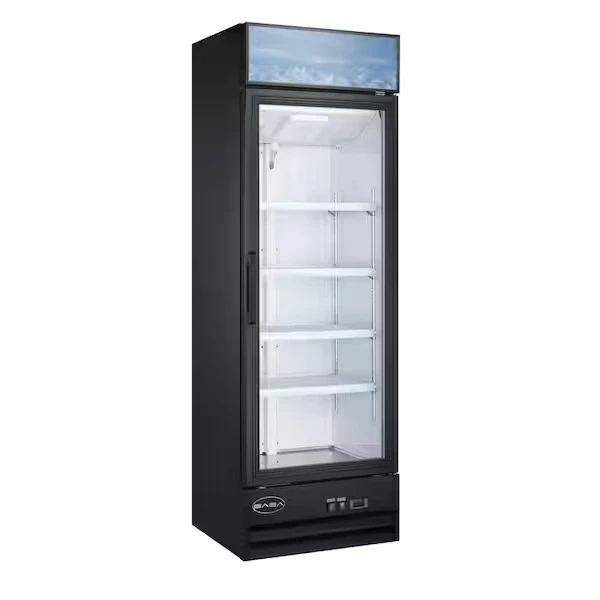
Upright units with single, double, or triple doors. Ideal for restaurants needing quick access to ingredients.
Undercounter Refrigerator
Compact units that fit under prep tables. Suitable for small kitchens and limited spaces.
Walk-In Refrigerator
Large refrigeration rooms designed for bulk storage in high-volume operations.
Display Refrigerator
Glass-door units used in retail stores and supermarkets for product visibility.
Each commercial refrigerator type serves a specific purpose. Understanding your workflow helps you select the right model.
Key Features to Look for in a Commercial Refrigerator
Before purchasing a commercial refrigerator, evaluate the following features:
Stainless Steel Construction
Ensures durability, corrosion resistance, and easy cleaning.
Digital Temperature Control
Allows precise monitoring and adjustment.
Adjustable Shelving
Provides flexible storage for various product sizes.
Heavy-Duty Compressor
Maintains consistent cooling even during frequent door openings.
Self-Closing Doors
Prevent temperature loss and improve energy efficiency.
LED Interior Lighting
Enhances visibility and reduces energy consumption.
A high-quality commercial refrigerator combines performance, durability, and efficiency.
Common Mistakes to Avoid When Buying a Commercial Refrigerator
Many businesses make costly errors during purchase.
Avoid these mistakes:
- Choosing residential units instead of commercial-grade equipment
- Ignoring energy efficiency ratings
- Underestimating storage requirements
- Overlooking warranty coverage
- Selecting size without measuring kitchen space
A well-planned purchase ensures smooth kitchen operations.
Maintenance Tips for Commercial Refrigerator Longevity
Proper maintenance extends the lifespan of your commercial refrigerator.
- Clean condenser coils regularly
- Check door gaskets for proper sealing
- Monitor internal temperature daily
- Avoid overloading shelves
- Schedule routine professional servicing
Consistent maintenance prevents unexpected breakdowns and expensive repairs.
Energy Efficiency and Cost Savings
Modern commercial refrigerator units are designed with eco-friendly refrigerants and improved insulation. Energy-efficient compressors reduce electricity usage while maintaining strong cooling performance.
Although energy-efficient models may have a higher upfront cost, they significantly lower operating expenses in the long run.
Final Thoughts
A commercial refrigerator is more than just equipment — it is a critical asset that supports food safety, operational efficiency, and business growth.
Choosing the right commercial refrigerator ensures:
- Compliance with health standards
- Reliable cooling performance
- Long-term durability
- Reduced operational costs
Whether you operate a small café or a large-scale restaurant, investing in a high-quality commercial refrigerator protects your inventory and strengthens your business foundation.