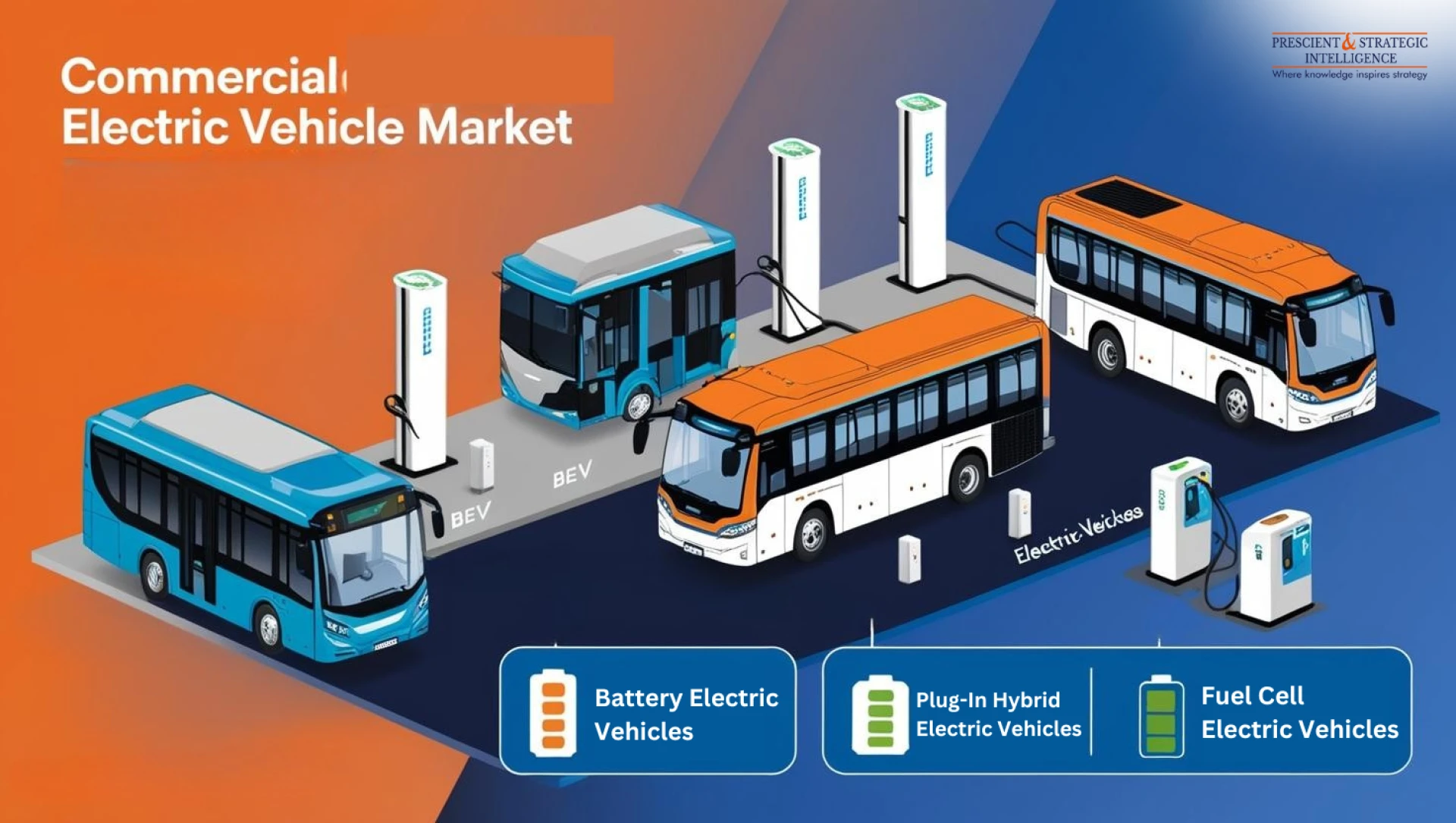
Introduction: Electrifying the Future of Commercial Mobility
The global commercial electric vehicle (EV) market is poised for explosive growth, with its size estimated at USD 59.4 billion in 2024 and projected to reach USD 360.6 billion by 2032, expanding at a CAGR of 25.5% during 2025-2032. This impressive surge is being driven by government incentives, advancements in battery technology, and the urgent global push toward zero-emission transportation.
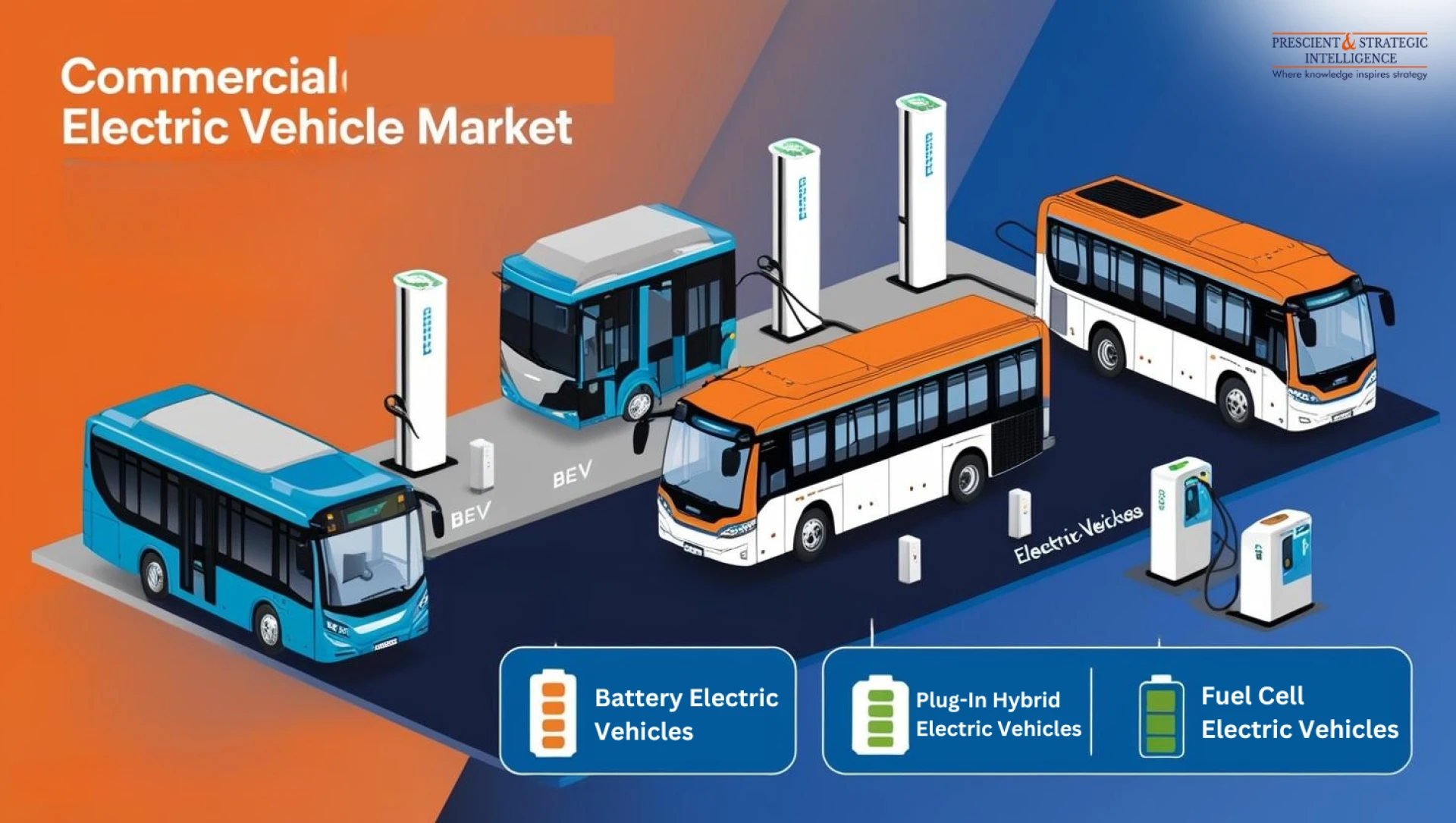
Commercial EVs: Revolutionizing Freight and Fleet Transport
Commercial electric vehicles, including electric buses, trucks, and delivery vans, are rapidly becoming essential components of the logistics and public transportation sectors. Businesses are shifting away from internal combustion engine (ICE) fleets to meet evolving environmental standards and operational cost efficiency targets.
Key Drivers of Market Growth
Government Regulations and Incentives
Globally, governments are offering financial incentives, tax breaks, and subsidies to support the adoption of commercial EVs. These policies are aimed at reducing greenhouse gas emissions and combating urban air pollution.
Declining Battery Costs
The falling cost of lithium-ion batteries has significantly lowered the total cost of ownership for electric vehicles. This has made commercial EVs more accessible for small- and medium-sized businesses, expanding their deployment in various industries.
Corporate Sustainability Goals
Major logistics and retail companies are increasingly electrifying their fleets as part of their environmental, social, and governance (ESG) commitments. This shift is expected to accelerate the demand for commercial electric vehicles in the years to come.
Technological Innovations
Continuous advancements in electric drivetrains, charging infrastructure, and telematics are enhancing the range, efficiency, and overall appeal of commercial EVs. Faster charging and higher payload capacities are making them a viable alternative to diesel-powered counterparts.
Regional Outlook
North America and Europe currently lead the market, thanks to robust infrastructure and strict emission regulations. Meanwhile, Asia-Pacific is emerging as the fastest-growing region, driven by rapid urbanization, large logistics networks, and strong government backing in countries like China and India.
Market Challenges
Despite the promising outlook, the market faces challenges such as limited charging infrastructure, high upfront vehicle costs, and range limitations for heavy-duty applications. Addressing these issues through investment in R&D and public-private partnerships will be crucial for widespread adoption.
Conclusion: Driving Toward a Cleaner Future
The commercial electric vehicle market is set to transform how goods and people move, contributing significantly to the global clean energy transition. As technology improves and regulatory support strengthens, the sector will see widespread adoption, reshaping the transportation landscape for decades to come.
Explore how commercial EVs are powering the future of green logistics and public transport today.