
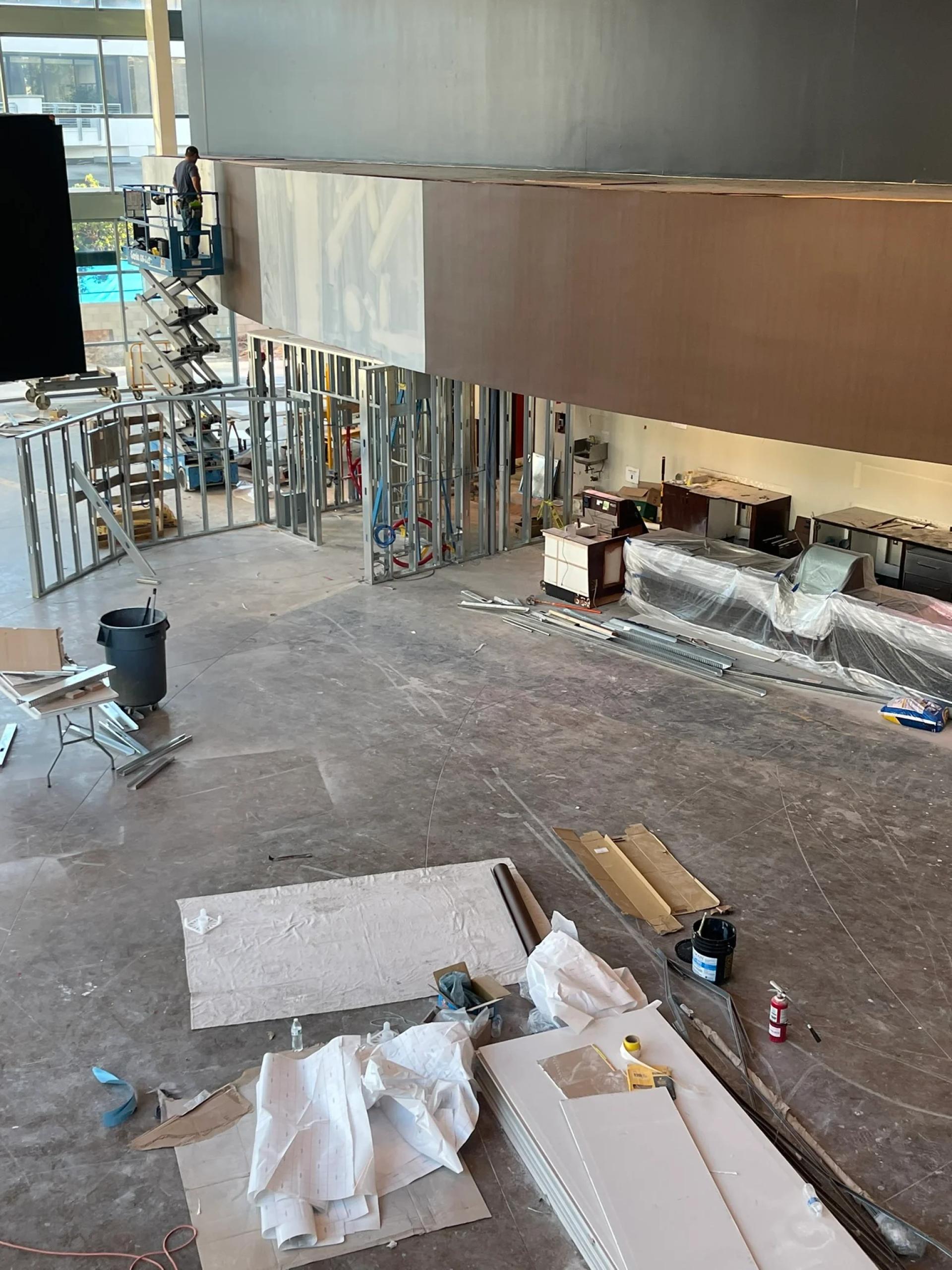
In the ever-evolving landscape of commercial real estate, businesses are constantly seeking ways to adapt, expand, and modernize their physical spaces. Whether it's constructing a new facility or revamping an existing one, the roles of commercial building contractors and commercial renovation contractors are vital. These professionals are the backbone of transforming architectural visions into functional, efficient, and aesthetically pleasing commercial environments.
Understanding the distinctions and combined power of these two contractor types can help business owners make informed decisions when planning a construction or renovation project.
What Do Commercial Building Contractors Do?
Commercial building contractors specialize in constructing new commercial properties from the ground up. These can include office buildings, retail stores, restaurants, warehouses, hotels, healthcare centers, and more.
Their role goes far beyond manual labor. From the initial blueprint to project completion, commercial building contractors manage everything related to the physical construction of a structure.
Their responsibilities typically include:
- Project planning and cost estimation
- Coordinating with architects and engineers
- Obtaining permits and ensuring code compliance
- Managing construction timelines and budgets
- Hiring and supervising subcontractors
- Ensuring workplace safety and quality control
With deep knowledge of zoning laws, building codes, and material sourcing, these contractors ensure that new commercial builds meet all regulatory and operational requirements.
Who Are Commercial Renovation Contractors?
While building contractors focus on new construction, commercial renovation contractors specialize in modifying or updating existing buildings. They breathe new life into aging structures, helping businesses maintain a modern and functional workspace.
These contractors are often called in when a company wants to:
- Update interiors or exteriors for a more modern look
- Reconfigure layouts to suit changing business needs
- Retrofit buildings for accessibility or energy efficiency
- Expand space without moving locations
- Upgrade systems like HVAC, plumbing, or electrical
Commercial renovation contractors also face unique challenges—such as working around existing structures, minimizing disruption to ongoing operations, and preserving key architectural features when needed.
Why Businesses Need Both Types of Contractors
The choice between commercial building contractors and commercial renovation contractors depends on a project's goals. However, in many large-scale developments, both types of professionals are necessary.
For instance, when converting an old warehouse into a coworking space, a renovation contractor might handle the design transformation, while a building contractor may be needed for structural expansions or adding new systems. Their collaboration ensures the job is done efficiently and up to code.
Key Benefits of Hiring Professionals
Regardless of the project type, hiring experienced contractors ensures:
1. Expert Project Management
Coordinating suppliers, permits, labor, and inspections requires precise scheduling and oversight. Contractors streamline this process from start to finish.
2. Regulatory Compliance
Both new builds and renovations must meet strict local and national regulations. Professional contractors stay current with building codes, accessibility laws, and environmental guidelines.
3. Cost and Time Efficiency
Experienced contractors minimize delays, avoid costly mistakes, and often have access to discounts on materials due to supplier relationships.
4. Safety Assurance
A licensed contractor adheres to OSHA safety standards, protecting workers and occupants during and after the project.
5. Customized Solutions
Whether starting from scratch or updating an older property, contractors tailor the design and construction plan to a business’s unique needs and brand image.
How to Choose the Right Contractor
Selecting the right contractor is crucial for the success of your commercial project. Here are a few things to consider:
- Experience: Look for contractors with a proven track record in commercial projects.
- References and Portfolio: Review past work and talk to previous clients.
- Licensing and Insurance: Verify credentials to protect your investment.
- Transparent Bidding: Get a detailed estimate and timeline up front.
- Communication: Choose a contractor who keeps you informed and involved.
Industry Trends Driving the Demand
Several trends are shaping the work of both commercial building contractors and commercial renovation contractors:
- Sustainable Building: Green materials, energy-efficient systems, and LEED certifications are in demand.
- Technology Integration: Smart systems for lighting, HVAC, and security are being built into both new constructions and renovations.
- Flexible Workspaces: More companies are seeking open-plan offices, collaborative zones, and multi-use areas.
- Adaptive Reuse: Repurposing older buildings for modern business needs is becoming more common, increasing the demand for skilled renovation contractors.
Conclusion
Whether you're constructing a new facility or revitalizing an existing one, commercial building contractors and commercial renovation contractors play essential roles in shaping the business environment. With their expertise, attention to detail, and knowledge of construction regulations, these professionals turn visions into viable, lasting spaces that support business growth.
By choosing the right contractors, companies can ensure that their commercial property not only meets their current needs but is also adaptable for the future. In today’s competitive landscape, the physical workspace is more than just a building—it’s a statement of brand, functionality, and innovation.