
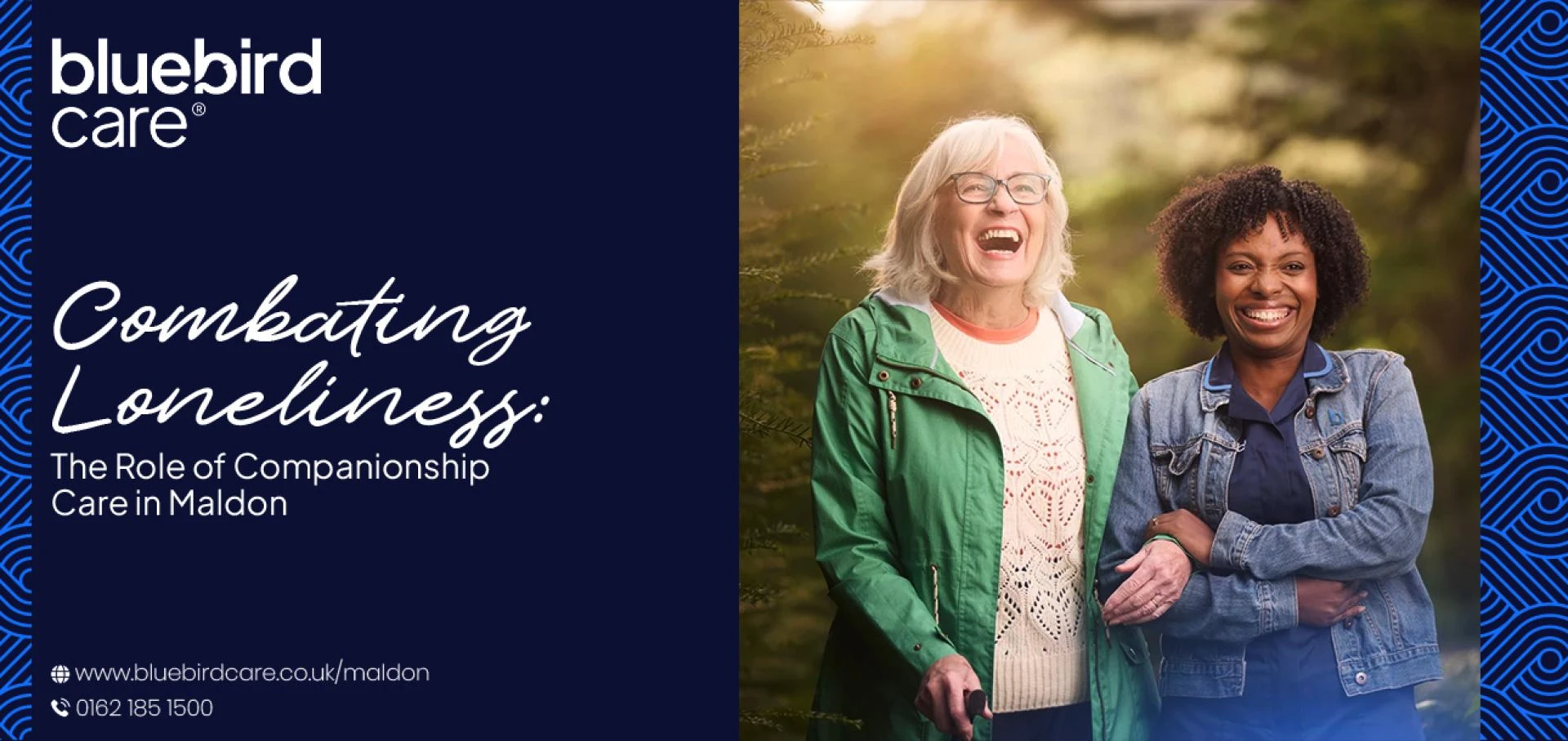
Loneliness is often described as the "silent epidemic," but its effects are anything but quiet. It screams through the data, impacting physical health, mental well-being, and overall quality of life. In a charming, historic town like Maldon, with its bustling High Street and scenic Promenade Park, it is easy to assume that everyone is connected. Yet, isolation can happen anywhere, hidden behind closed doors and drawn curtains.
At Bluebird Care Maldon, we believe that no one should have to face the day alone. While we are known for our medical and personal care, there is another service we offer that is just as vital: companionship. It is about bringing warmth, conversation, and laughter back into the home.
Is Loneliness Really as Dangerous as They Say?
You might think of loneliness as just an emotional state—a feeling of sadness or "the blues." However, medical research paints a much starker picture. Chronic loneliness triggers a stress response in the body that can be physically damaging over time.
According to Age UK, more than 2 million people in England over the age of 75 live alone, and more than a million older people say they go for over a month without speaking to a friend, neighbour, or family member. This isolation is not benign. The Campaign to End Loneliness highlights research suggesting that the health impact of loneliness is comparable to smoking 15 cigarettes a day. It is a sobering statistic that puts the importance of social connection into sharp focus.
When we are isolated, our risk of developing conditions like heart disease, stroke, and dementia increases. The brain acts like a muscle; without social stimulation and conversation, it lacks the "exercise" it needs to stay sharp. This is where the role of our Care Experts Maldon becomes critical. We are not just there to perform tasks; we are there to engage, to listen, and to stimulate the mind.
What Does "Companionship Care" Actually Look Like?
There is a common misconception that "care" only means help with washing, dressing, or medication. While those are essential services, they address the body, not the spirit. Companionship care is different. It is flexible, person-centred, and entirely focused on joy.
Imagine having someone pop in just for a cup of tea and a chat about the morning news. Imagine having a friendly arm to lean on for a walk down to the Hythe to watch the Thames barges. For many of our customers, our visits are the highlight of their week.
Our Carers At Home Maldon services are designed to fit around your life, not the other way around. Companionship isn't a rigid medical prescription; it's a friendship with professional boundaries. It could involve:
- Reconnecting with Hobbies: whether that is knitting, gardening, or completing a jigsaw puzzle that has been sitting in the box for months.
- Getting Out and About: accompanying you to the shops, a local cafe, or a doctor's appointment so you never feel vulnerable or anxious.
Why Choose Care at Home Instead of a Care Home?
The debate between residential care and home care is one many families struggle with. However, staying in your own home offers a continuity of identity that is hard to replicate elsewhere. Your home is your castle, filled with memories, photos of grandchildren, and the furniture you chose decades ago.
When you bring Carers At Home Maldon into that environment, you are not disrupting the person's life; you are enhancing it. You are allowing them to keep their independence while removing the isolation. They can keep their own schedule, eat their own food, and sleep in their own bed, all while knowing that a friendly face is due to visit.
Furthermore, companionship care acts as a vital safety net. A regular visitor can spot the early warning signs that a family member might miss over the phone. Has the fridge been stocked? Is the house colder than usual? deeper than that, is the spark still in their eyes? Our team are trained to notice the small changes in demeanour that indicate a change in health or well-being.
How Can We Reconnect with the Maldon Community?
One of the greatest tragedies of mobility issues or ageing is the shrinking of one’s world. What used to be a town full of possibilities becomes just four walls. But Maldon is too beautiful to be missed.
Our goal is to give our customers the confidence to step back out into their community. With a Care Expert by their side, the fear of falling or the anxiety of navigating crowds diminishes. We have supported customers to visit the Maldon Museum, enjoy an ice cream at the Prom, or simply sit on a bench and watch the world go by.
It is about restoring agency. It is about saying, "I am still a part of this town."
Research from the NHS suggests that maintaining social relationships and community involvement can significantly slow down the progression of Alzheimer’s and other forms of dementia. Socialising isn't just fun; it is a neuroprotective activity.
Who are the "Care Experts" Behind the Uniform?
Trust is the foundation of everything we do. Letting a stranger into your home requires a leap of faith, which is why we take our recruitment and training so seriously. We don't just hire people who can do a job; we hire people who care.
When we talk about our Care Experts Maldon team, we are talking about local people who know the area and understand the local community. They are trained not just in moving and handling or medication administration, but in empathy. They know when to chat and when to listen. They know how to make a perfect cup of tea (a vital skill!) and how to handle difficult emotions with dignity and respect.
We match our carers to our customers based on personality and interests, not just availability. If you love football, we will try to send someone who can discuss the weekend's scores. If you love history, we’ll find someone who enjoys a trip down memory lane.
Are You Ready to Break the Silence?
Loneliness is a heavy burden, but it is one that can be lifted. You do not have to wait for a medical crisis to ask for help. In fact, bringing in companionship support early can prevent crises from happening by keeping you or your loved one active, happy, and monitored.
If you are worried about a parent who seems withdrawn, or if you are finding the days a little too long and quiet yourself, reach out to us. Let’s turn that silence back into conversation.
Contact Bluebird Care Maldon today. Let’s chat about how we can bring a little more sunshine into your life.
Frequently Asked Questions
1. What is the difference between companionship care and personal care?
Personal care involves physical assistance with daily living tasks such as washing, dressing, toileting, and medication management. Companionship care is focused on social interaction and emotional support. It includes things like chatting, going for walks, playing games, or accompanying you to appointments. However, our Care Experts in Maldon can often combine both services in a single visit if needed.
2. Can I have the same carer visit me every time?
We understand that building a relationship is key to companionship. While we cannot guarantee the exact same person for every single shift due to holidays or illness, we operate on a small, consistent team basis. You will get to know a small group of friendly faces, ensuring you always feel comfortable with who is walking through the door.
3. Is companionship care only for the elderly?
Not at all. While loneliness disproportionately affects the older generation, we provide support to adults of all ages who may be isolated due to disability, illness, or recovery from surgery. Anyone who struggles to get out and about or feels lonely at home can benefit from our services for Carers At Home in Maldon.
4. How long are the companionship visits?
We are proud to say we do not do "flying visits." Our minimum visit time is usually longer than the industry average because meaningful companionship cannot be rushed. You cannot have a proper cup of tea and a catch-up in 15 minutes. We offer flexible durations ranging from one hour up to full-day sittings or live-in care, depending on your needs.
5. How do I know if my parent needs companionship care?
Look for changes in their behaviour. Are they calling you more often just to talk? have they stopped doing hobbies they used to love? Has their personal hygiene or house cleanliness slipped slightly? deeply, do they seem down or lethargic? These are often signs of isolation. A trial period of companionship care can be a great way to see if their mood improves with regular social interaction.