
Introduction
A septic tank is one of the most critical yet overlooked components of your home’s wastewater system. It quietly handles and treats sewage & greywater from your household, ensuring everything flows smoothly & safely underground. But what happens when this system suddenly stops working? That’s where emergency septic tank pumping comes in—a fast, necessary service to prevent health hazards, property damage, & costly repairs.
What Is Emergency Septic Tank Pumping?
Emergency septic pumping refers to the urgent removal of solid waste & sludge from your septic tank when it reaches or exceeds capacity, causing backups or potential overflows. This type of pumping is not routine maintenance—it's an immediate response to a problem that can quickly get out of control.
Some common reasons for needing emergency pumping include:
· Toilet or drain backups
· Foul odors near plumbing fixtures
· Soggy, smelly patches in your yard
· Gurgling sounds in pipes
· Overflowing septic tank or drain field
These signs usually point to a tank that’s full, a clogged pipe, or a failing drainage field—issues that, if not addressed quickly, can lead to contamination, structural damage, or even complete system failure.
Why Speed Matters
Time is crucial in a septic emergency. A full septic tank or blocked system can quickly result in raw sewage backing into your home or leaking into your yard. Not only is this unpleasant, but it's also a serious health risk to your family & neighbors.
Calling for emergency septic tank pumping at the first sign of trouble:
· Prevents property damage
· Protects your health & water supply
· Restores proper function to your plumbing
· Saves money on more expensive repairs later
Most professional septic companies offer 24/7 emergency services & can respond promptly with the necessary equipment & expertise to resolve the issue.
What to Expect During Emergency Pumping
When you contact a septic service for an emergency call, here’s what typically happens:
1. Initial Inspection – A technician assesses the tank level, plumbing lines, & drain field to locate the problem.
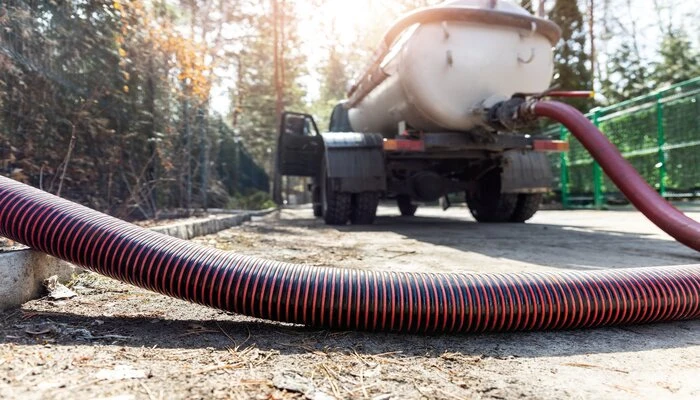
2. Pumping & Cleaning – They use a vacuum truck to pump out the solid waste, sludge, & scum layer in your tank.
3. Clog Clearing (if needed) – If backups persist, the technician may flush out blockages in the mainline or other parts of the system.
4. System Evaluation – Finally, they evaluate the condition of the tank & system components to identify any further repairs or recommendations.
How to Avoid Septic Emergencies
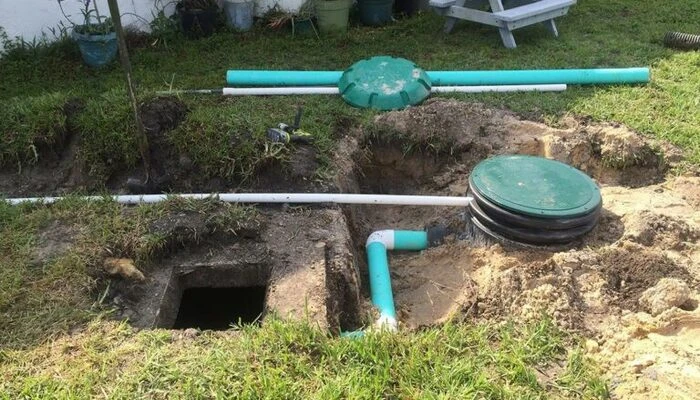
While emergencies can’t always be prevented, routine maintenance goes a long way in avoiding them. Here are some helpful tips:
· Pump your tank every 3–5 years, depending on household size & usage.
· Avoid flushing non-biodegradable items like wipes, feminine products, or grease.
· Conserve water to reduce the load on your system.
· Have annual inspections to catch early signs of trouble.
Final Thoughts
Emergency septic tank pumping can feel overwhelming, but acting quickly makes all the difference. Whether it’s a backed-up toilet or wastewater surfacing in your yard, calling a professional right away can protect your home & health. Keeping up with regular maintenance & knowing the warning signs of septic trouble can help prevent emergencies in the future. When in doubt, don’t wait—call a licensed septic professional to handle the problem before it escalates.