Clinical research in the United States has never been simple, but the last few years have made one thing clear: the complexity of running a trial now extends far beyond the science itself. Regulatory scrutiny, data accuracy expectations, and the sheer volume of documentation required at every stage have pushed clinical trial management software development services from a "nice to have" into a genuine operational necessity for research organizations across the country.
The Growing Complexity of Clinical Trials in the U.S.
Data Scattered Across Too Many Systems
Most clinical research teams aren't struggling because of a lack of expertise - they're struggling because their data lives in too many disconnected places. Spreadsheets for enrollment, separate tools for site monitoring, and email threads for compliance updates create gaps where errors quietly slip through.
Regulatory Pressure That Never Eases
Between HIPAA, FDA 21 CFR Part 11, and Good Clinical Practice (GCP) standards, U.S.-based trials operate under some of the strictest compliance requirements in the world. Manual tracking simply wasn't built to withstand that level of scrutiny, and audit season tends to expose exactly where the cracks are.
Slow Visibility Means Slower Trials
When enrollment numbers, site performance, and adverse event reporting aren't updated in real time, decisions get made on outdated information. That delay doesn't just create inefficiency - it directly extends trial timelines that are already expensive to run.
Why Purpose-Built Software Is Replacing Generic Tools
Generic project management platforms were never designed with clinical trial regulations in mind. As more research organizations run into the same coordination and compliance issues, many are shifting toward dedicated clinical trial management software development services built specifically around how trials actually operate - from participant recruitment to real-time compliance tracking.
This is where a handful of specialized development companies have started standing out. One name that comes up fairly often in these conversations is 75way Technologies, a company known for building custom clinical software rather than offering an off-the-shelf product retrofitted for healthcare use.
What a Purpose-Built Platform Actually Solves
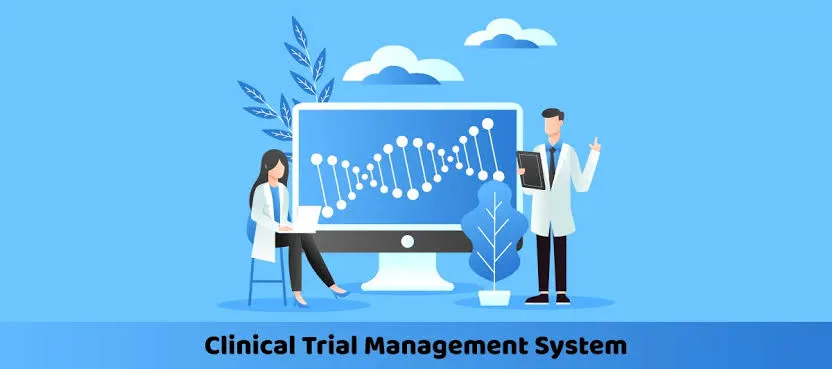
A well-designed system centralizes everything that used to live across separate tools - enrollment tracking, site monitoring, participant data, and compliance documentation - into a single, real-time dashboard. Instead of reconstructing records before an audit, teams can simply pull up accurate, up-to-date information on demand.
Compliance Built Into the Architecture
What separates a purpose-built platform from a generic one is where compliance sits in the process. Rather than being an afterthought, requirements like HIPAA, FDA 21 CFR, and GCP are factored directly into how the system is architected. That difference alone tends to eliminate a large share of the manual compliance work research teams have historically had to do by hand.
The Real Value: Reliability Over Flashy Features
Talking to teams that have made this shift, the recurring theme isn't excitement about a sleek new interface - it's relief. Faster recruitment tracking, fewer manual errors, and documentation that's actually audit-ready rather than audit-panicked tend to matter far more than aesthetics.
Providers offering clinical trial management software development services, including 75way Technologies, have leaned into this exact gap - building systems around U.S. regulatory realities instead of expecting research organizations to adapt their workflows to fit generic software.
Is It Time to Move Beyond Spreadsheets?
The trend across the U.S. clinical research space is fairly clear: purpose-built software is quickly becoming the baseline expectation, not a luxury reserved for large-scale trials. Smaller research organizations are increasingly asking the same question larger ones already answered - is generic software really enough, or does the complexity of modern trials demand something built specifically for how research actually runs?
For organizations still relying on scattered spreadsheets and disconnected tools, it may be worth exploring what a dedicated platform - the kind companies like 75way Technologies specialize in - can actually change about day-to-day trial operations. Sometimes the biggest improvement isn't a new feature at all. It's simply not having to fight the system meant to support the work.