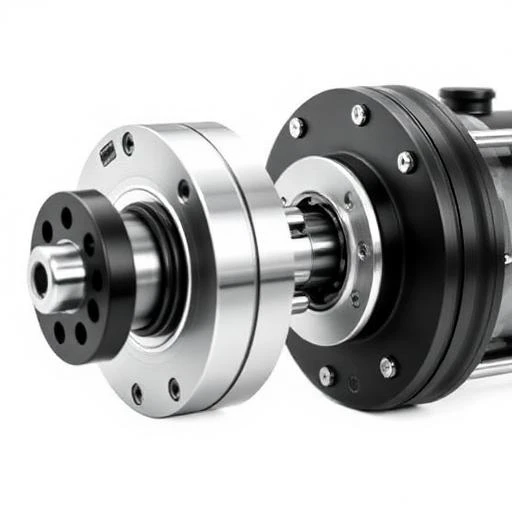
Couplings are a critical yet often overlooked component in pharmaceutical manufacturing, where precision, cleanliness, and compliance are mandatory. Pharma production lines operate in controlled cleanroom environments designed to eliminate contamination and ensure product safety. Every mechanical element used in these systems must meet strict hygiene and performance standards. This is why cleanroom-compatible couplings are essential for reliable and compliant pharmaceutical operations.
In this blog, we explore the importance of cleanroom-compatible couplings in pharma production lines, the challenges of cleanroom environments, key design features, and why trusted manufacturers like Rathi Couplings are a preferred choice in the pharmaceutical industry.
Understanding Cleanroom Requirements in Pharma Manufacturing
Pharmaceutical cleanrooms are designed to control airborne particles, microbial contamination, temperature, and humidity. Equipment used in these environments must not generate particles, leak lubricants, or trap contaminants. Even minor mechanical failures can compromise product quality and lead to regulatory non-compliance.
Production lines for tablets, capsules, injectables, and sterile formulations rely on highly controlled processes. Cleanroom-compatible couplings help maintain these conditions by ensuring smooth, contamination-free power transmission between motors, gearboxes, and processing equipment.
Why Cleanroom-Compatible Couplings Are Essential
In pharma manufacturing, hygiene is directly linked to patient safety. Conventional industrial components may release particles, corrode, or require frequent lubrication, all of which are unacceptable in cleanroom settings. Cleanroom-compatible couplings are engineered to eliminate these risks.
These couplings support critical processes such as mixing, granulation, filling, packaging, and conveying, while maintaining cleanroom integrity. Their specialized design helps pharmaceutical manufacturers comply with stringent standards such as GMP (Good Manufacturing Practices).
Key Design Features of Cleanroom-Compatible Couplings
To meet pharmaceutical cleanroom requirements, couplings must incorporate specific design and material features:
Low Particle Generation
Cleanroom-compatible designs minimize friction and wear, reducing the release of particles during operation.
Smooth and Hygienic Surfaces
Polished, crevice-free surfaces prevent the accumulation of dust, powders, or microorganisms and make cleaning easier.
Corrosion-Resistant Materials
Stainless steel and specialized alloys resist corrosion from cleaning agents, disinfectants, and frequent washdowns.
Lubrication-Free or Sealed Designs
Many cleanroom-compatible couplings operate without external lubrication or use sealed systems to prevent leakage.
Precision Engineering
High manufacturing accuracy ensures balanced rotation, low vibration, and consistent performance.
Applications in Pharmaceutical Production Lines
Cleanroom-compatible couplings are widely used throughout pharma manufacturing facilities, including:
- Tablet and capsule production machines
- Powder mixing and granulation systems
- Liquid filling and packaging lines
- Conveyors and material handling equipment
- Inspection and labeling machines
In each application, couplings play a vital role in ensuring uninterrupted operation without compromising cleanliness or accuracy.
Benefits of Using Cleanroom-Compatible Couplings
Investing in the right coupling solution provides multiple advantages for pharmaceutical manufacturers:
Enhanced Product Safety
By minimizing contamination risks, these couplings help protect product integrity and patient health.
Regulatory Compliance
Cleanroom-compatible designs support compliance with GMP and other pharmaceutical quality standards.
Reduced Downtime
Reliable performance and low maintenance requirements ensure consistent production schedules.
Longer Equipment Life
Corrosion-resistant materials and precision engineering extend the lifespan of connected machinery.
The Importance of Precision and Reliability in Pharma Equipment
Pharmaceutical production lines demand consistent and repeatable performance. Any deviation in speed, torque, or alignment can affect product quality. High-quality couplings help maintain precise motion control and protect sensitive equipment from vibration and misalignment.
Manufacturers with expertise in cleanroom applications focus on delivering solutions that combine mechanical reliability with strict hygiene requirements.
Why Rathi Couplings Are Suitable for Pharma Cleanrooms
Rathi Couplings is a trusted name in power transmission solutions, known for engineering products that meet the needs of demanding industries, including pharmaceuticals. With a strong focus on quality, material selection, and precision manufacturing, Rathi Couplings offers solutions suitable for cleanroom environments.
Their cleanroom-compatible coupling designs emphasize smooth surfaces, reliable torque transmission, and long-term durability. By choosing Rathi Couplings, pharmaceutical manufacturers gain access to proven engineering expertise and dependable performance.
Selecting the Right Coupling for Cleanroom Applications
Choosing the correct coupling for pharma production lines involves evaluating torque requirements, speed, alignment tolerance, and cleanroom classification. It is also important to consider cleaning methods and chemical exposure.
Working with experienced manufacturers like Rathi Couplings ensures the selected coupling meets both mechanical performance needs and cleanroom compliance requirements.
Future Trends in Cleanroom-Compatible Couplings
As pharmaceutical manufacturing becomes more automated and precise, the demand for advanced cleanroom-compatible couplings will continue to grow. Future developments will focus on even lower particle generation, enhanced materials, and designs optimized for high-speed, high-precision equipment.
Manufacturers committed to innovation and quality will play a key role in supporting the future of pharmaceutical production.
Conclusion
Cleanroom-compatible couplings are essential components in pharmaceutical production lines, where hygiene, precision, and reliability are critical. Their ability to transmit power efficiently while maintaining cleanroom standards makes them indispensable to modern pharma manufacturing.
By investing in high-quality solutions from trusted brands like Rathi Couplings, pharmaceutical companies can enhance product safety, ensure regulatory compliance, and achieve long-term operational efficiency. In cleanroom environments, the right coupling is not just a mechanical connection—it is a foundation for quality and trust.