
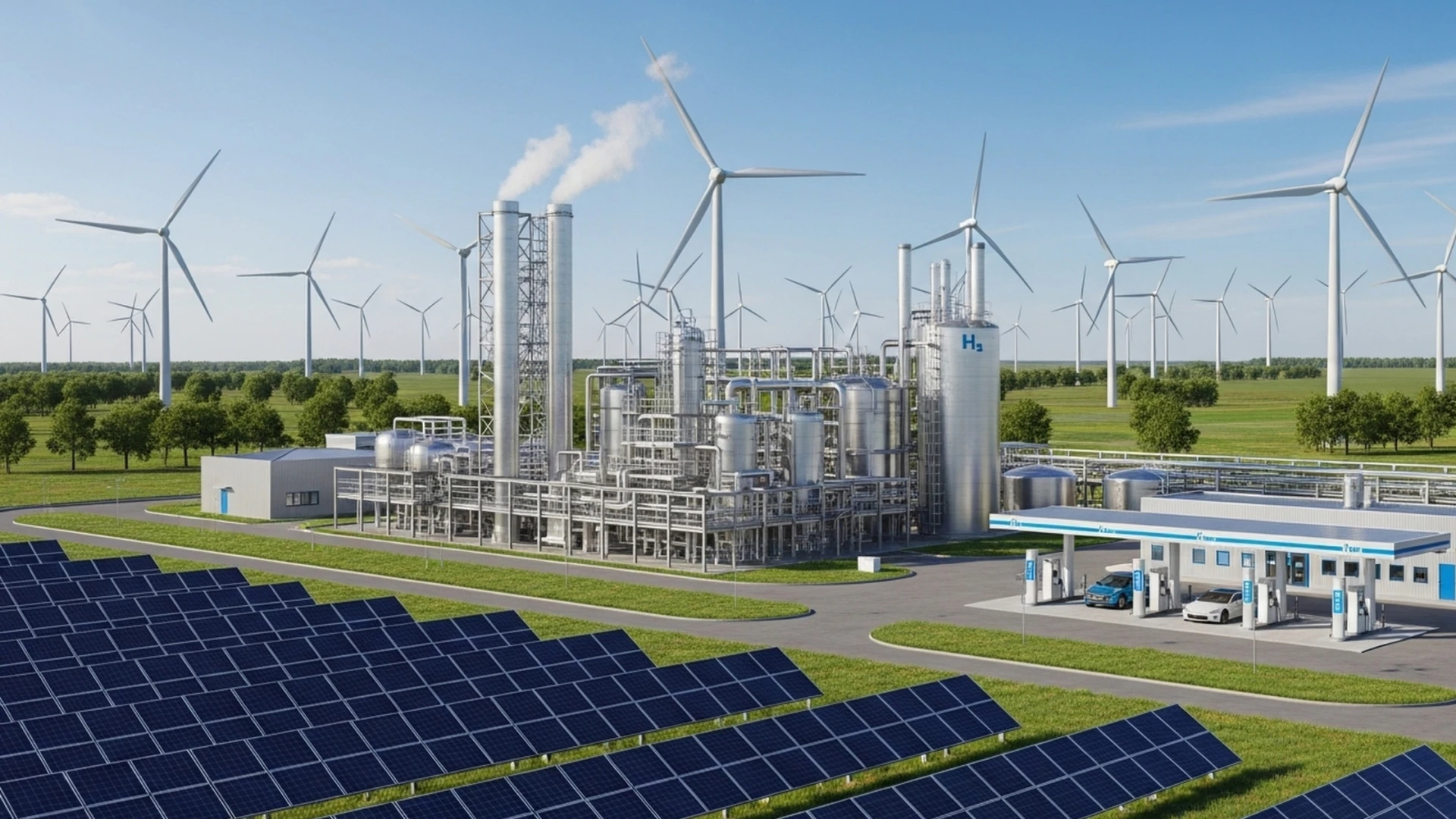
The global energy landscape is shifting as power systems adapt to a future shaped by sustainability and innovation. Electricity networks are no longer static frameworks but living systems that respond to data, demand, and environmental pressures. As populations grow and technologies advance, the need for cleaner and smarter energy solutions becomes increasingly urgent. Governments, utilities, and private companies are rethinking how electricity moves from source to consumer. These changes extend beyond generation into infrastructure, operations, and customer experience. The modern power grid is now a reflection of both technological progress and societal values.
Clean energy transformation is driven by more than renewable sources alone. Digital intelligence, automation, and informed consumers are influencing how power systems evolve. Grid resilience has become just as important as efficiency and affordability. Energy providers are navigating a landscape where flexibility is critical. Customers expect reliability while also demanding environmental responsibility. Together, these forces are accelerating a redefinition of how energy is produced, managed, and consumed.
Reinventing the Grid With Digital Intelligence
Power grids are becoming increasingly data-driven as digital infrastructure takes center stage. Smart sensors and advanced metering provide real-time visibility across vast transmission networks. This data allows operators to identify inefficiencies before they escalate into outages. Predictive analytics help utilities plan maintenance more effectively. Digital intelligence reduces operational costs while improving service reliability. These tools form the backbone of a responsive and adaptive grid.
Automation further enhances grid performance by enabling rapid decision-making. Control systems can instantly redirect power during disruptions. This capability is especially valuable during severe weather events. As grids become more connected, system coordination improves across regions. The result is a network that reacts faster and operates smarter. Digital transformation is now essential to managing modern energy demands.
Scaling Renewable Energy Across the Network
Renewable energy is rapidly becoming a primary source of electricity. Wind and solar projects are expanding across regions. Unlike traditional power plants, these resources fluctuate based on natural conditions. Grid operators must balance supply and demand with greater precision. Advanced forecasting tools improve generation accuracy. These innovations allow renewables to support reliable grid operations.
Industry discussions involving Michael Fallquist Think Energy highlight the importance of aligning renewable expansion with infrastructure readiness. Transmission upgrades are necessary to move clean power efficiently. Streamlined interconnection processes reduce delays in deployment. Policy incentives continue to drive investment in renewable projects. Together, these efforts strengthen the foundation of a low-carbon grid.
Managing Demand in an Electrified Economy
Electrification is transforming how energy is consumed across industries. Electric vehicles and electric heating systems are increasing overall demand. These technologies introduce new consumption patterns. Managing these shifts requires intelligent demand response strategies. Smart charging systems help balance peak loads. Demand flexibility supports both affordability and reliability.
Customer-facing platforms play a vital role in demand management. Energy usage insights encourage informed decision-making. Companies highlighted in Think Energy Reviews often prioritize transparency and education. Dynamic pricing models reward efficient consumption habits. These tools empower consumers while stabilizing the grid. Intelligent demand management ensures electrification strengthens clean energy goals.
Transparency as a Competitive Advantage in Energy Markets
As energy options expand, transparency becomes essential. Customers want clarity about pricing, sourcing, and environmental impact. Digital dashboards make energy data more accessible. Clear communication builds trust between providers and consumers. Transparency supports long-term customer relationships. In a competitive market, trust drives loyalty.
Regulatory standards help ensure accuracy in environmental claims. Third-party verification strengthens credibility. Organizations associated with Michael Fallquist Think Energy emphasize ethical alignment with innovation. Transparent practices attract environmentally conscious customers. They also encourage responsible market behavior. Trust accelerates clean energy adoption across communities.
Final Thoughts About Clean Energy Innovation Is Redefining the Modern Power Grid
The evolution of the power grid reflects a broader transformation in how society approaches energy. Technology, sustainability, and customer expectations are shaping modern systems. Each innovation contributes to a more resilient and adaptable network. Collaboration across industries is essential to sustain progress. Utilities, policymakers, and consumers share responsibility. Together, they are redefining the future of electricity.
Looking forward, adaptability will be a key determinant of long-term success. Power grids must continue evolving alongside emerging technologies. Investments in digital intelligence and flexibility will deliver lasting value. As electrification expands, intelligent coordination becomes critical. The trends shaping today’s grid establish a sustainable foundation. Embracing change ensures a reliable and clean energy supply for generations to come.