There’s something quietly powerful about spaces that breathe.
Not just visually—but literally.
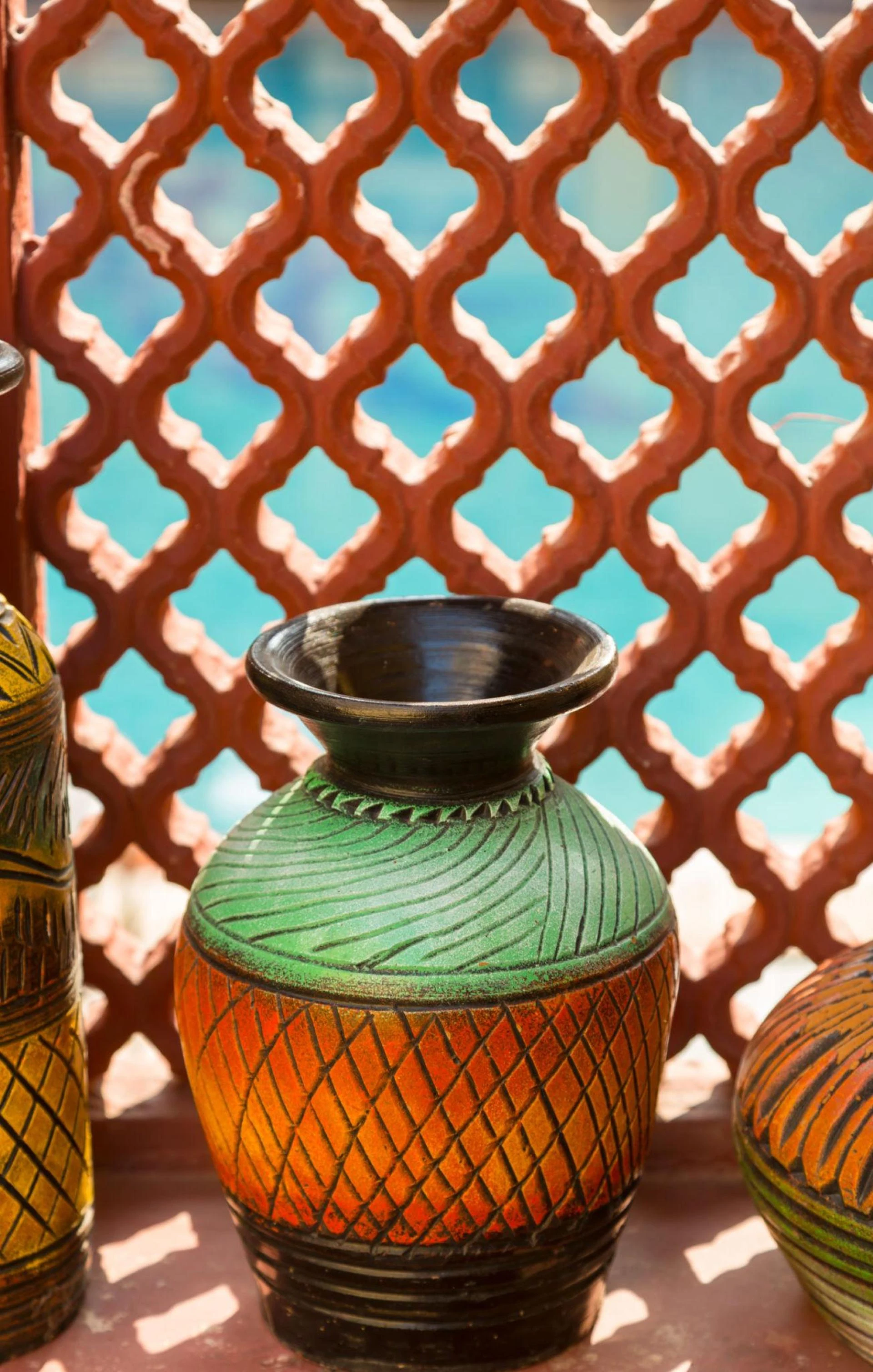
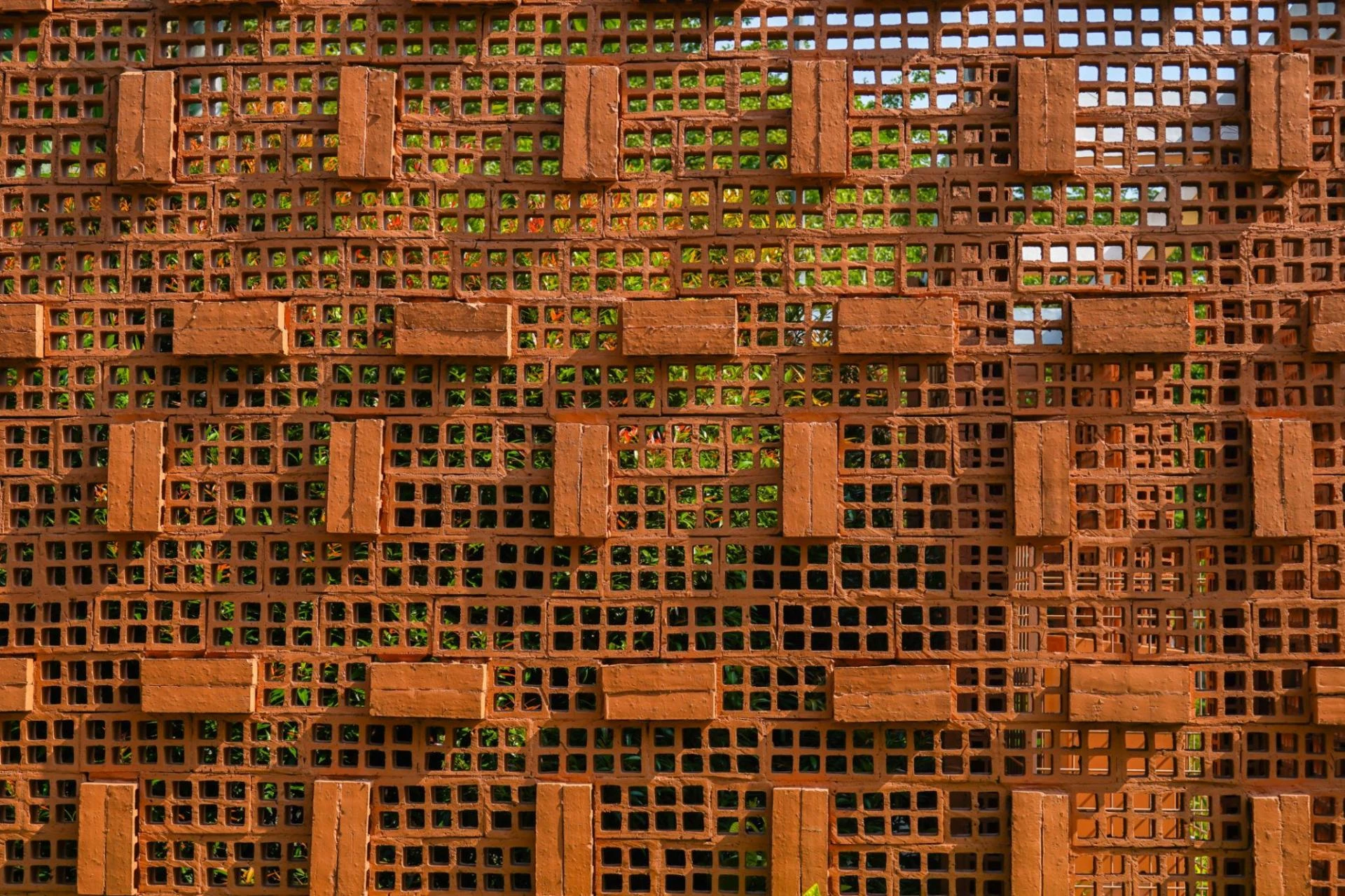
That’s exactly where clay jali steps in. A design element rooted in tradition, yet strangely ahead of its time, blending airflow, aesthetics, and sustainability into one seamless experience.
Today, across India, homeowners and architects are rediscovering the beauty of terracotta clay jali—not as a relic of the past, but as a bold, functional statement in modern interiors.
Why Clay Jali is Making a Comeback in Indian Homes
Walk into a thoughtfully designed home, and you’ll notice it immediately—soft filtered light, subtle shadows dancing across walls, and a constant sense of openness.
That’s not accidental.
That’s clay jali designs working their magic.
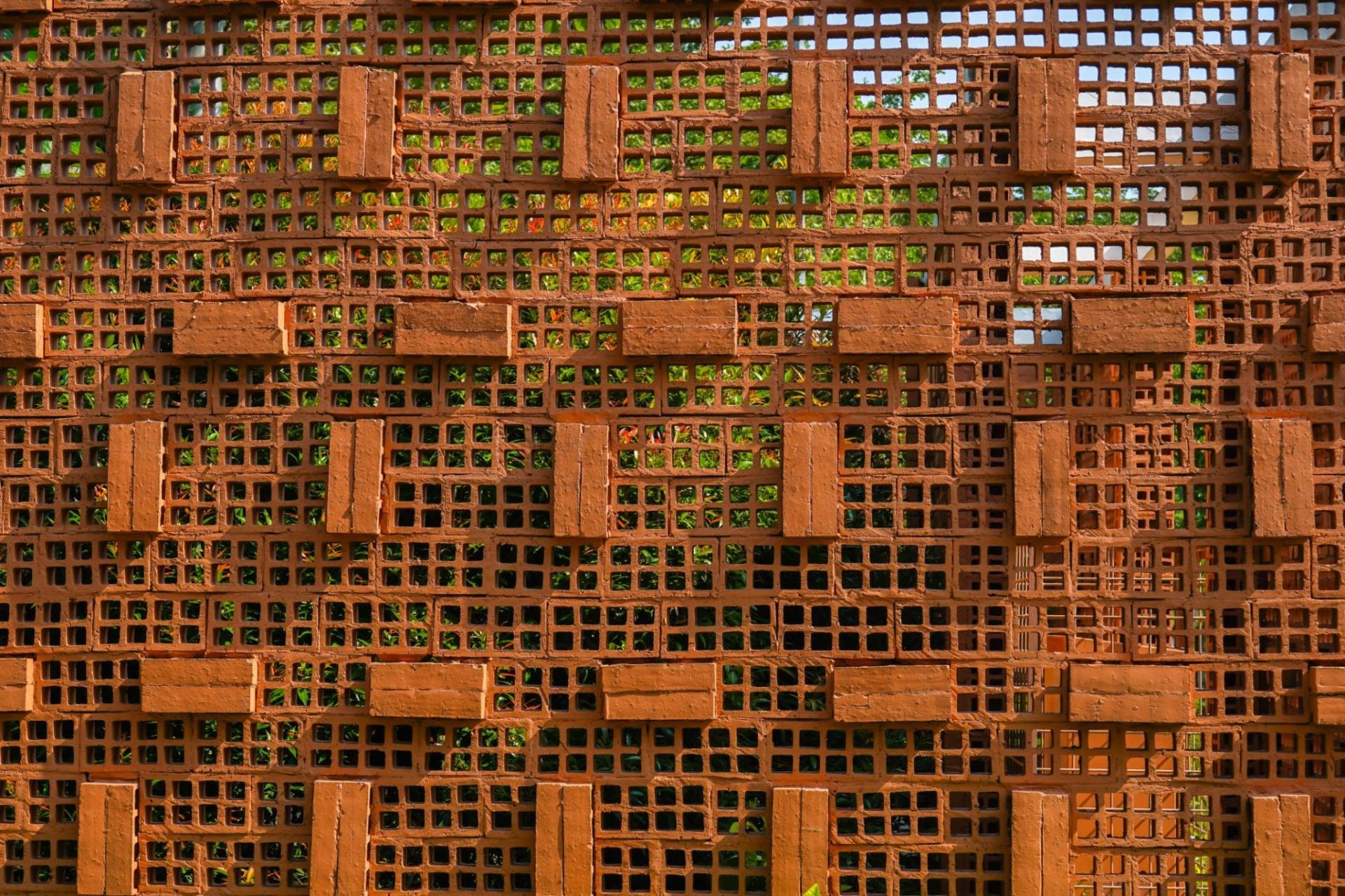
Unlike solid walls, clay jali blocks for ventilation allow natural air circulation while still maintaining privacy. And in a country like India, where climate plays a huge role in design decisions, this becomes more than aesthetic—it becomes essential.
From Jaipur to Bangalore, clay jali India is no longer just traditional—it’s trending.
The Beauty of Terracotta: More Than Just Looks
Let’s talk material.
Terracotta clay jali isn’t just beautiful—it’s intelligent.
- It regulates indoor temperature
- It reduces dependency on artificial cooling
- It ages gracefully, developing character over time
And honestly, there’s something raw and earthy about it that modern materials just can’t replicate.
When brands like clayjali craft these pieces, they’re not just manufacturing—they’re preserving a design philosophy that’s centuries old, yet incredibly relevant.
Creative Uses of Clay Jali in Home Interiors
Here’s where things get interesting.
1. Living Room Partitions
Instead of bulky dividers, clay jali tiles create semi-open partitions that feel light and breathable.
2. Staircase Walls
Replace plain walls with clay jali blocks, and suddenly your staircase becomes a design feature.
3. Balcony Screens
Privacy without suffocation—that’s what terracotta clay jali for facade applications deliver.
4. Pooja Rooms
Soft light filtering through clay jali designs creates a calm, spiritual atmosphere.
5. Kitchen Ventilation Panels
Functional and stylish—clay jali blocks for ventilation work beautifully here.
Clay Jali Products for Architecture: A Smart Investment
Now let’s be practical.
When choosing materials, cost matters.
The good news? Clay jali price India is surprisingly reasonable considering its durability and long-term benefits.
Factors affecting pricing include:
- Design complexity
- Size and thickness
- Customization level
- Manufacturer quality
Reliable names like clayjali, a trusted clay jali manufacturer and clay jali supplier, ensure consistency, durability, and design precision—something that cheaper alternatives often compromise on.
Choosing the Right Clay Jali for Your Space
Not all jalis are created equal.
Before selecting, ask yourself:
- Do I need more ventilation or more privacy?
- Is this for interiors or facade use?
- Do I want bold geometric patterns or subtle textures?
For example:
- Go for clay jali tiles if you want a sleek, modern look
- Choose clay jali blocks for structural and ventilation purposes
- Use terracotta clay jali for facade for exterior aesthetics
Why Clayjali Stands Out
In a market filled with options, consistency is rare.
That’s where clayjali earns its reputation.
- High-quality terracotta materials
- Precision-crafted clay jali designs
- Wide range of clay jali products for architecture
- Trusted clay jali supplier across India
They don’t just sell products—they offer design solutions that actually work in real spaces.
Final Thoughts
Trends come and go. But some design elements—like clay jali—don’t fade. They evolve.
They adapt.
And in doing so, they prove something important:
Good design isn’t just about how a space looks. It’s about how it feels, how it breathes, and how it lives with you.
So whether you’re building from scratch or upgrading your interiors, consider this—
Sometimes, the best walls… are the ones that let the air pass through.