
The Clamshell Exercise has emerged as a highly effective movement for strengthening the hips, improving stability, and reducing pain. With modern lifestyles leading to prolonged sitting and weak hip muscles, this exercise is crucial for both fitness enthusiasts and those seeking relief from hip discomfort. In this article, we will explore the benefits, techniques, variations, and tips for incorporating the Clamshell Exercise into your routine.
What is the Clamshell Exercise?
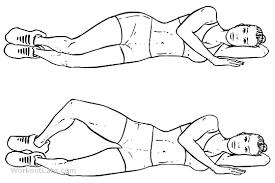
The Clamshell Exercise is a targeted glute and hip strengthening movement designed to activate the gluteus medius, a crucial stabilizer of the pelvis. By lying on your side and opening your knees while keeping your feet together, you mimic the motion of a clamshell opening. This simple exercise has a profound impact on hip stability and posture.
Unlike other lower-body exercises that may overwork the quadriceps or lower back, the Clamshell Exercise specifically targets the lateral hip muscles. Strengthening these muscles improves balance, reduces the risk of injuries, and supports healthy walking and running mechanics.
Benefits of Clamshell Exercise for Hip Stability
Incorporating the Clamshell Exercise into your routine offers several significant benefits for hip health:
- Enhanced Hip Stability: By targeting the gluteus medius, the exercise stabilizes the pelvis during dynamic movements.
- Injury Prevention: Strong lateral hip muscles reduce the risk of knee, hip, and lower back injuries.
- Improved Athletic Performance: Athletes benefit from stronger hips, which enhance sprinting, jumping, and lateral movements.
- Posture Support: A strong hip musculature prevents pelvic tilt and maintains proper alignment of the spine.
Even a few minutes daily can make a noticeable difference in your overall mobility and strength.
How to Perform the Clamshell Exercise Correctly
Proper form is essential to maximize the benefits of the Clamshell Exercise and avoid strain. Follow these steps:
- Lie on your side with your knees bent at a 90-degree angle and your feet together.
- Keep your head resting on your lower arm and place your top hand on your hip for support.
- Engage your core and lift your top knee as high as possible without rotating your pelvis.
- Slowly lower your knee back to the starting position.
- Repeat for 12–15 reps on each side, performing 2–3 sets.
Maintaining a slow and controlled movement ensures proper muscle activation. Using a resistance band around your thighs can further enhance the intensity.
Variations of Clamshell Exercise for Maximum Effectiveness
To prevent plateau and increase the challenge, there are several variations of the Clamshell Exercise:
- Resistance Band Clamshells: Place a band above your knees to add resistance and intensify glute activation.
- Weighted Clamshells: Hold a small dumbbell or ankle weight to increase strength gains.
- Side-Lying Leg Lift: Combines the clamshell motion with hip abduction for additional stability training.
These variations help target the muscles more efficiently, making the exercise suitable for beginners and advanced practitioners alike.
Common Mistakes to Avoid During Clamshell Exercise
Many people perform the Clamshell Exercise incorrectly, which can limit its effectiveness. Common mistakes include:
- Rotating the pelvis: Ensure your hips remain stacked to engage the glute properly.
- Rushing the movement: Fast motions reduce muscle engagement and increase the risk of injury.
- Neglecting the core: A weak core can compromise form and reduce benefits.
Correcting these errors ensures that the Clamshell Exercise delivers optimal hip stability and pain relief.
Clamshell Exercise for Pain Relief
The Clamshell Exercise is particularly effective for addressing hip and lower back discomfort. Weak gluteal muscles often contribute to knee pain, lower back strain, and hip instability. Regular practice helps:
- Alleviate hip and knee pain by strengthening supportive muscles.
- Reduce pressure on the lower back during movement.
- Enhance joint alignment for better functional movement.
For individuals recovering from injury, incorporating this exercise into rehabilitation routines can significantly accelerate healing. Additionally, those seeking to maintain long-term mobility can benefit from consistent use of the Clamshell Exercise.
Incorporating Clamshell Exercise into Your Routine
For maximum benefits, include the Clamshell Exercise in a structured workout program. Here’s a sample plan:
- Warm-up: 5–10 minutes of light cardio and dynamic stretching.
- Clamshell Exercise: 2–3 sets of 12–15 reps per side.
- Complementary Exercises: Add glute bridges, lunges, or hip thrusts for a comprehensive lower-body routine.
- Cool-down: Stretching and foam rolling to promote recovery.
Consistency is key. Performing the exercise 3–4 times per week can lead to noticeable improvements in hip strength and pain reduction.
Health and Wellness Perspective on Clamshell Exercise
According to various Health And Wellness Articles, exercises that target small stabilizing muscles are essential for maintaining functional movement and preventing chronic pain. The Clamshell Exercise aligns with this philosophy by promoting hip stability and improving overall mobility.
Moreover, these exercises are accessible for all fitness levels, require minimal equipment, and can be integrated into daily routines. Whether you are a sedentary office worker or an athlete, the Clamshell Exercise is a versatile tool for long-term health and wellness.
Tips for Maximizing Clamshell Exercise Results
To get the most out of the Clamshell Exercise, consider these tips:
- Focus on Form: Quality over quantity ensures effective muscle engagement.
- Gradually Add Resistance: Use bands or light weights as strength improves.
- Pair with Core Training: A strong core enhances hip stability and exercise efficiency.
- Consistency is Key: Regular practice leads to noticeable improvements in pain relief and strength.
- Listen to Your Body: Avoid overexertion, especially during the initial stages.
With proper execution and consistency, the Clamshell Exercise can be a cornerstone of your hip-strengthening and pain-relief regimen.
Conclusion
The Clamshell Exercise is a simple yet powerful movement that strengthens the hips, improves stability, and alleviates pain. Its targeted approach makes it highly effective for injury prevention, athletic performance, and daily functional movement. By incorporating proper technique, variations, and consistency, anyone can benefit from this essential exercise.
For those seeking a practical, low-impact, and highly beneficial exercise, the Clamshell Exercise is an ideal choice for promoting long-term hip health and overall well-being.