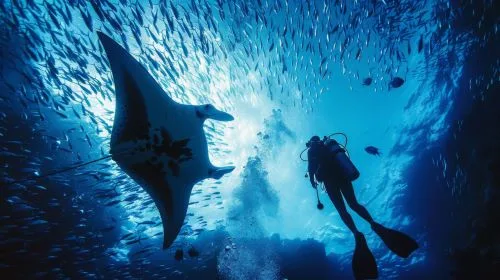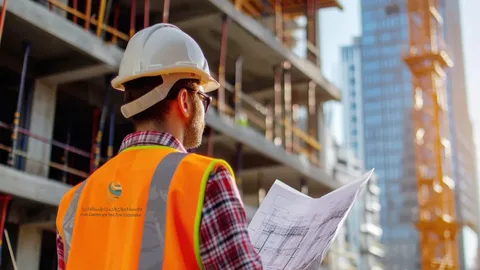
Constructing buildings near coastal regions in the United Arab Emirates presents a unique set of engineering, structural, and environmental challenges. With its stunning shorelines, world-class waterfront developments, and ambitious coastal expansion projects, the UAE continues to push the boundaries of coastal construction. However, these developments also bring increased responsibility for contractors, engineers, consultants, and regulatory bodies alike.
The environment near the coast is harsh, complex, and dynamic. The combination of saltwater, humidity, wind, soil instability, and erosion creates multiple obstacles. Stakeholders—including developers, architects, and construction teams such as a G+4 civil contractor—must adopt high-performance materials, advanced engineering techniques, and compliance-driven processes to ensure safe and sustainable coastal structures.
Additionally, such projects require adherence to strict regulatory frameworks, making the involvement of trakhees approved companies essential for compliance in designated development zones. Even interior specialists, such as a commercial fit out company Dubai, must adapt their materials and methods to suit coastal humidity and corrosion-prone environments.
This article explores the core challenges of building near UAE coastlines, supported by engineering insights, practical considerations, and regulatory context.
Understanding Coastal Construction Conditions in the UAE
Coastal areas in the UAE are characterized by high salinity, corrosive environments, shifting soil patterns, marine influences, and extreme climatic conditions. These natural forces directly affect the design, construction, and long-term performance of buildings. Engineers must consider these complexities from the very beginning—starting from soil investigation to structural design, waterproofing, and material selection.
Developers working along major coastlines in Dubai, Abu Dhabi, and other emirates must factor in the long-term impact of sea spray, tidal movement, groundwater levels, and airborne salt particles that accelerate structural wear.
Regulatory Framework for Coastal Construction
The UAE maintains strict standards for coastal development to protect both infrastructure and the environment. These regulations vary slightly among emirates but consistently emphasize:
- Soil and marine impact assessments
- Environmental sustainability
- Coastal erosion control
- Safety and structural resilience
- Reduced ecological disruption
Projects in free zones or special development areas often require approvals from regulatory bodies, making the involvement of trakhees approved companies extremely important in ensuring compliance with stringent coastal construction rules.
Key Challenges in Building Near Coastal Areas in the UAE
Corrosion Caused by High Salinity
One of the most significant challenges in any coastal region is corrosion. Salt-laden air penetrates concrete, accelerates steel reinforcement corrosion, and weakens building components. This can compromise structural integrity if not addressed properly.
High Humidity Levels
Humidity near the coast promotes mold growth, rust, moisture infiltration, and premature material degradation. Even interior works handled by a commercial fit out company Dubai must consider moisture-resistant materials to prevent long-term damage.
Soil Instability
Coastal soils in the UAE often consist of loose sands, silty layers, or reclaimed land. Such soils require deep foundations, specialized piling, and advanced geotechnical engineering.
Sea-Level Rise and Coastal Erosion
Climate change increases risks of flooding and shoreline erosion. Buildings must be designed with elevated platforms, robust drainage systems, and reinforced barriers.
High Wind Loads
Coastal areas experience stronger and more frequent winds. Structures must meet wind-load standards, especially for high-rise developments.
Environmental Regulations
Strict sustainability requirements, such as marina management rules, protected marine habitats, and coastal vegetation preservation, add additional planning layers.
Engineering Considerations for Coastal Construction
Advanced Foundation Technologies
Because coastal soils can be weak or unstable, engineers often rely on deep piling systems, raft foundations, or micro-piles. These systems distribute loads more effectively and enhance the building’s resistance to settlement.
Waterproofing and Moisture Control
Continuous exposure to water and humidity demands advanced waterproofing techniques for basements, roofs, facades, and service areas. Multi-layered membrane systems and marine-grade sealing products are common.
Corrosion-Resistant Materials
To combat salt-induced deterioration, contractors use epoxy-coated rebars, stainless steel, fiber-reinforced polymers, and sulphate-resistant cement.
Ventilation and HVAC Adaptation
Humidity-resistant HVAC systems are required to maintain indoor comfort and prevent condensation.
Role of Contractors and Specialized Companies
Importance of Trakhees-Approved Companies
In certain coastal zones, only trakhees approved companies can manage construction, inspections, and environmental compliance. Their involvement ensures safety, legal compliance, and adherence to coastal engineering standards.
Contribution of Commercial Fit-Out Specialists
A commercial fit out company Dubai plays a vital role in ensuring interiors remain durable in coastal conditions. They select materials that resist humidity, corrosion, and mold while maintaining aesthetic and functional goals.
G+4 Civil Contractors in Coastal Projects
A G+4 civil contractor often manages structural works for mid-rise coastal projects. Their expertise includes designing load-bearing structures, ensuring code compliance, and integrating protective features against harsh marine environments.
Environmental Considerations for Coastal Development
Marine Life Protection
Coastal development can disrupt marine ecosystems. UAE regulations require impact assessments and mitigation strategies to ensure minimal ecological disturbance.
Sustainable Building Materials
Eco-friendly materials such as recycled aggregates, high-performance insulation, and low-VOC products help reduce environmental impact.
Energy Efficiency
Solar panels, smart cooling systems, and water-efficient fixtures support sustainability, which is especially important in coastal climates where HVAC loads are high.
Long-Term Maintenance Challenges
Continuous Surface Wear
Salt, wind, and humidity contribute to faster wear and require continuous maintenance cycles.
Protective Coating Reapplication
Protective layers on facades, metal structures, and mechanical parts must be reapplied periodically.
Frequent Inspections
Buildings near coastal areas require more frequent inspections to detect early signs of corrosion, cracking, or moisture penetration.
HVAC and Mechanical Maintenance
Coastal corrosion heavily impacts HVAC coils, ducting, and outdoor units, requiring more rigorous maintenance schedules.
Coastal Construction Success Factors
Early-Stage Engineering Planning
The earlier environmental and geotechnical factors are assessed, the better the long-term sustainability of the construction.
Use of High-Grade Materials
Marine-grade materials drastically improve building lifespan.
Collaboration with Specialists
Engaging experts—whether structural engineers, waterproofing specialists, or interior teams like a commercial fit out company Dubai—ensures a holistic approach.
Adherence to Regulations
Compliance with coastal regulations is essential for safety, certification, and long-term approval.
Conclusion
Building near coastal areas in the UAE presents both exciting opportunities and significant challenges. While coastal developments offer scenic beauty, economic advantages, and modern lifestyle experiences, they also demand advanced engineering solutions and strong regulatory compliance. High salinity, unstable soils, strong winds, and environmental sensitivities require meticulous planning and durable design choices.
Specialized stakeholders—from trakhees approved companies to interior experts like a commercial fit out company Dubai and structural professionals including a G+4 civil contractor—play essential roles in ensuring these buildings remain safe, durable, and sustainable for decades.
With the UAE continuing to expand its coastal developments, the future of coastal construction depends on innovation, regulations, and engineering excellence. When these principles are followed, coastal buildings can thrive even in the region’s challenging marine environment.
FAQs
1. Why is building near coastal areas in the UAE challenging?
Coastal areas face harsh conditions such as high salinity, humidity, soil instability, and strong winds. These environmental factors impact the durability and structural strength of buildings.
2. What materials are best for coastal construction?
Marine-grade materials such as stainless steel, epoxy-coated rebars, sulphate-resistant cement, and high-performance waterproofing membranes are essential near coastlines.
3. Do coastal buildings require more maintenance?
Yes. Due to constant exposure to saltwater and humidity, coastal buildings need regular inspections and maintenance to prevent corrosion and degradation.
4. Can a G+4 civil contractor handle coastal projects?
Yes. A G+4 civil contractor can manage mid-rise coastal developments, provided they follow engineering guidelines and use corrosion-resistant materials.
5. Why are Trakhees-approved companies important?
Trakhees approved companies are authorized to work in certain development zones, ensuring adherence to strict engineering, safety, and environmental standards.