
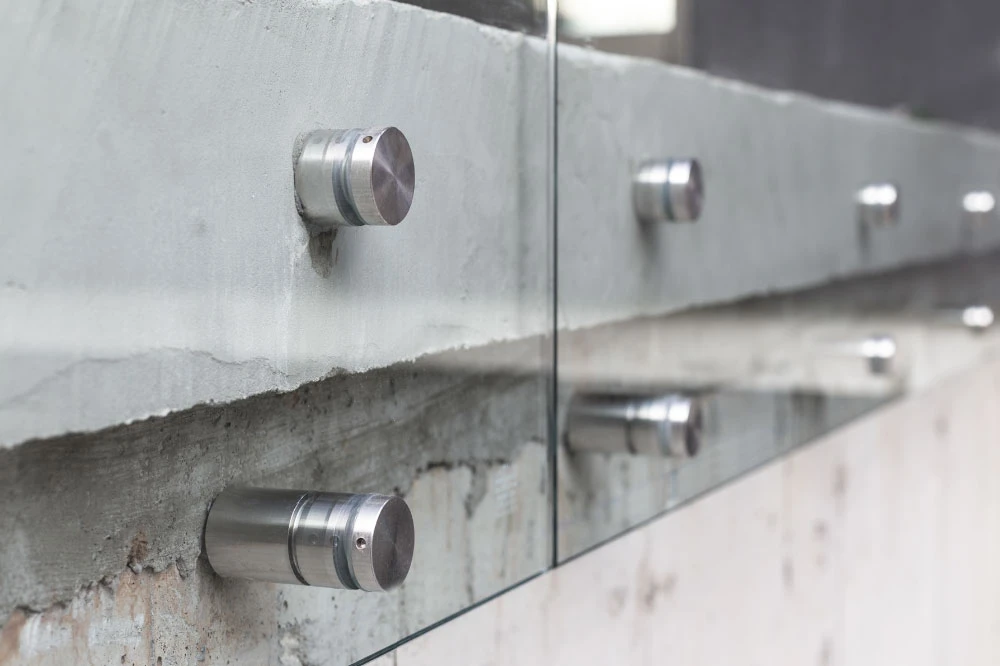
Glass standoffs are the unsung heroes of modern architecture. These small but mighty components allow glass panels to "float" off a wall or floor, creating the sleek, frameless look seen in high-end offices, luxury homes, and modern retail spaces. Whether you are installing a glass railing, a minimalist corporate sign, or a decorative backsplash, choosing the right hardware is a balance of structural integrity and aesthetic flair.
Here is everything you need to know about selecting the perfect materials, sizes, and finishes for your next project.
1. Material Matters: Strength vs. Environment
The material of your standoff isn't just about looks; it’s about how well the hardware will age. Most professional-grade standoffs are made from stainless steel or aluminum.
- Stainless Steel (Grade 304): This is the industry standard for indoor applications. It offers excellent strength and a premium feel.
- Stainless Steel (Grade 316): Often called "Marine Grade," this is a must-have for outdoor installations, especially near the coast. It contains molybdenum, which provides superior resistance to salt-water corrosion and harsh chemicals.
- Aluminum: A lightweight and cost-effective alternative. While it doesn’t match the raw strength of steel, high-quality anodized aluminum is perfect for interior signage and decorative displays.
2. Sizing: Finding the Sweet Spot
Choosing the right size is a two-part equation involving diameter and length (the standoff distance from the wall).
- Diameter: Common diameters range from 12mm to 50mm. Smaller diameters are ideal for lightweight signage and picture frames. For heavy-duty glass railings or thick structural panels, a larger diameter (38mm or 50mm) is necessary to provide enough surface area to distribute the weight and pressure safely.
- Standoff Length: This determines the gap between the glass and the mounting surface. A short standoff (10mm–20mm) creates a subtle shadow line, while a longer standoff (30mm–50mm) allows for LED backlighting or hides uneven wall textures.
Pro Tip: Always check your glass thickness. Most standoffs are designed for specific ranges, such as $8\text{mm}$ to $12\text{mm}$ glass. If your glass is outside these norms, you may need custom-length cap bolts.
3. The Final Touch: Finishes
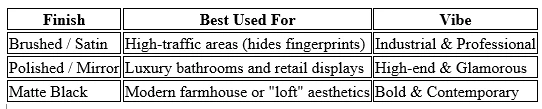
The finish is what ties the hardware to the rest of your interior design. While the options are nearly endless, three main styles dominate the market:
4. Technical Considerations
Beyond the "Big Three" (Material, Size, Finish), keep these installation factors in mind:
- Weight Capacity: Not all standoffs are created equal. Always calculate the total weight of your glass panel and ensure the combined capacity of your standoffs can support it with a safety margin.
- Gaskets: Never let glass touch metal. Quality standoffs should include vinyl or silicone gaskets to protect the glass from cracking under pressure.
- Mounting Surface: Ensure you have the right anchors for your substrate—whether it's drywall, concrete, or wood—to prevent the hardware from pulling out.
Conclusion
Choosing the right glass standoff is more than a technical requirement; it’s a design choice that defines the final look of your space. By matching the material to your environment, the size to your glass weight, and the finish to your decor, you ensure a result that is as safe as it is stunning.