
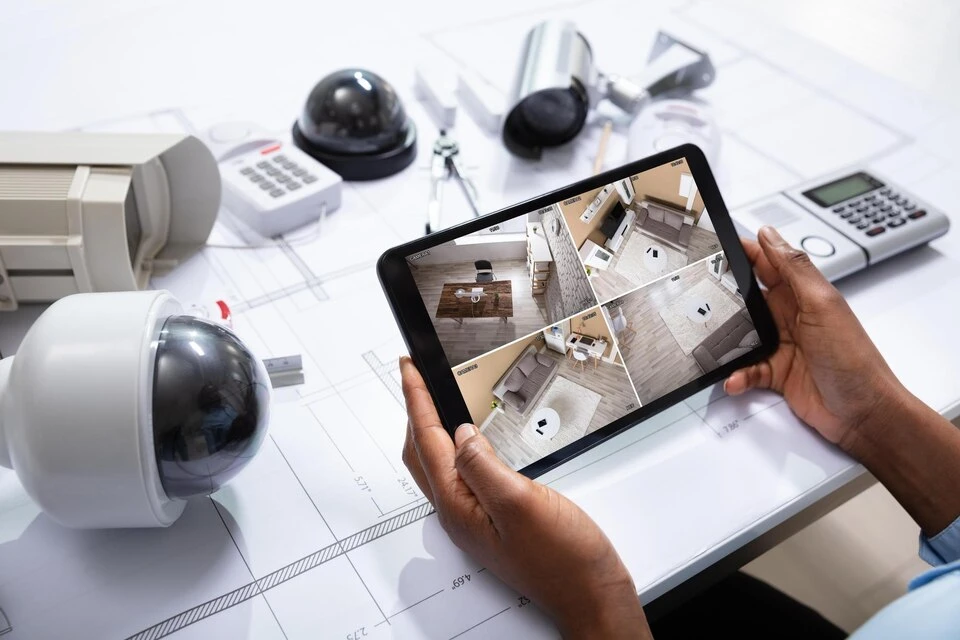
As security technology evolves, high-tech surveillance systems have become smarter, more connected, and more power-dependent than ever before. From AI-enabled cameras and facial recognition to cloud storage and real-time alerts, modern surveillance demands a carefully planned electrical setup to function reliably and securely. Choosing the right electrical infrastructure is not just a technical decision—it is a foundational step that determines performance, scalability, and long-term safety.
Understanding the Power Requirements
High-tech surveillance systems consist of multiple components: cameras, network video recorders (NVRs), monitors, servers, routers, and backup devices. Each element has specific voltage and load requirements. Before installation, it is essential to calculate total power consumption and peak loads to avoid circuit overloads or voltage drops. Systems that rely on Power over Ethernet (PoE) may reduce wiring complexity, but they still require switches and injectors that can handle consistent demand.
Failing to match power supply capacity with system needs can result in intermittent outages, reduced image quality, or even permanent equipment damage. A well-designed electrical setup ensures steady power delivery under all operating conditions.
Reliability and Redundancy
Surveillance systems are often expected to operate 24/7. This makes reliability a top priority. Dedicated circuits are strongly recommended to isolate surveillance equipment from other electrical loads such as HVAC systems or heavy machinery. This reduces interference and minimizes the risk of unexpected shutdowns.
Redundancy is another critical consideration. Uninterruptible power supplies (UPS) and backup generators can keep systems running during outages. Even short power interruptions can create blind spots, interrupt recordings, or corrupt data. A layered approach—combining surge protection, UPS units, and backup power—offers the highest level of operational continuity.
Safety and Compliance
Electrical safety should never be compromised, especially when dealing with sensitive and expensive technology. Proper grounding and bonding protect equipment from electrical faults and lightning strikes. Surge protection devices are essential to defend against voltage spikes that can damage cameras and servers instantly.
Compliance with local electrical codes and standards is equally important. Regulations are designed to ensure safety, prevent fire hazards, and protect both users and property. An electrical setup that meets compliance standards also simplifies insurance coverage and future system expansions.
Network Integration and Power Quality
High-tech surveillance systems are tightly integrated with data networks. Poor power quality—such as electrical noise, harmonics, or fluctuations—can interfere with network performance, causing lag, dropped frames, or connectivity issues. Clean, stable power supports consistent data transmission and reliable system monitoring.
Separating power and data cabling, using shielded cables where necessary, and maintaining proper spacing all contribute to better performance. Thoughtful electrical planning enhances not only power delivery but also overall system efficiency.
Scalability and Future-Proofing
Surveillance needs rarely stay static. Businesses expand, properties grow, and technology advances. A smart electrical setup accounts for future upgrades by allowing spare capacity in panels, conduits, and circuits. Installing additional outlets, higher-capacity panels, or modular power distribution units can save time and cost later.
Future-proofing also means considering emerging technologies such as edge computing, advanced analytics, and higher-resolution cameras, all of which may require more power. Planning ahead ensures that the electrical infrastructure will support these advancements without major overhauls.
Environmental Considerations
The physical environment plays a significant role in electrical design. Outdoor cameras, for example, require weather-resistant cabling and enclosures, while indoor server rooms may need cooling and humidity control. Heat buildup can affect both electrical components and surveillance hardware, reducing lifespan and reliability.
Energy efficiency is another growing concern. Selecting energy-efficient power supplies, LED-based devices, and smart power management solutions can lower operational costs while supporting sustainability goals.
The Value of Professional Expertise
Designing and installing an electrical setup for high-tech surveillance is not a DIY task. Professional electricians understand load calculations, safety standards, and system integration challenges. Their expertise ensures that installations are both compliant and optimized for performance.
For property owners in Kent, working with qualified professionals such as an Electrician Tunbridge Wells or an Electrician Edenbridge can provide local knowledge, timely support, and tailored solutions that align with regional regulations and infrastructure.
Conclusion
Choosing the right electrical setup for high-tech surveillance is a strategic investment in security, reliability, and future readiness. From power capacity and redundancy to safety, scalability, and environmental factors, every decision plays a role in system performance. By prioritizing proper electrical planning and professional installation, organizations and homeowners can ensure that their surveillance systems operate seamlessly—delivering the protection and peace of mind that modern security technology promises.
Also Prefer our other Article :