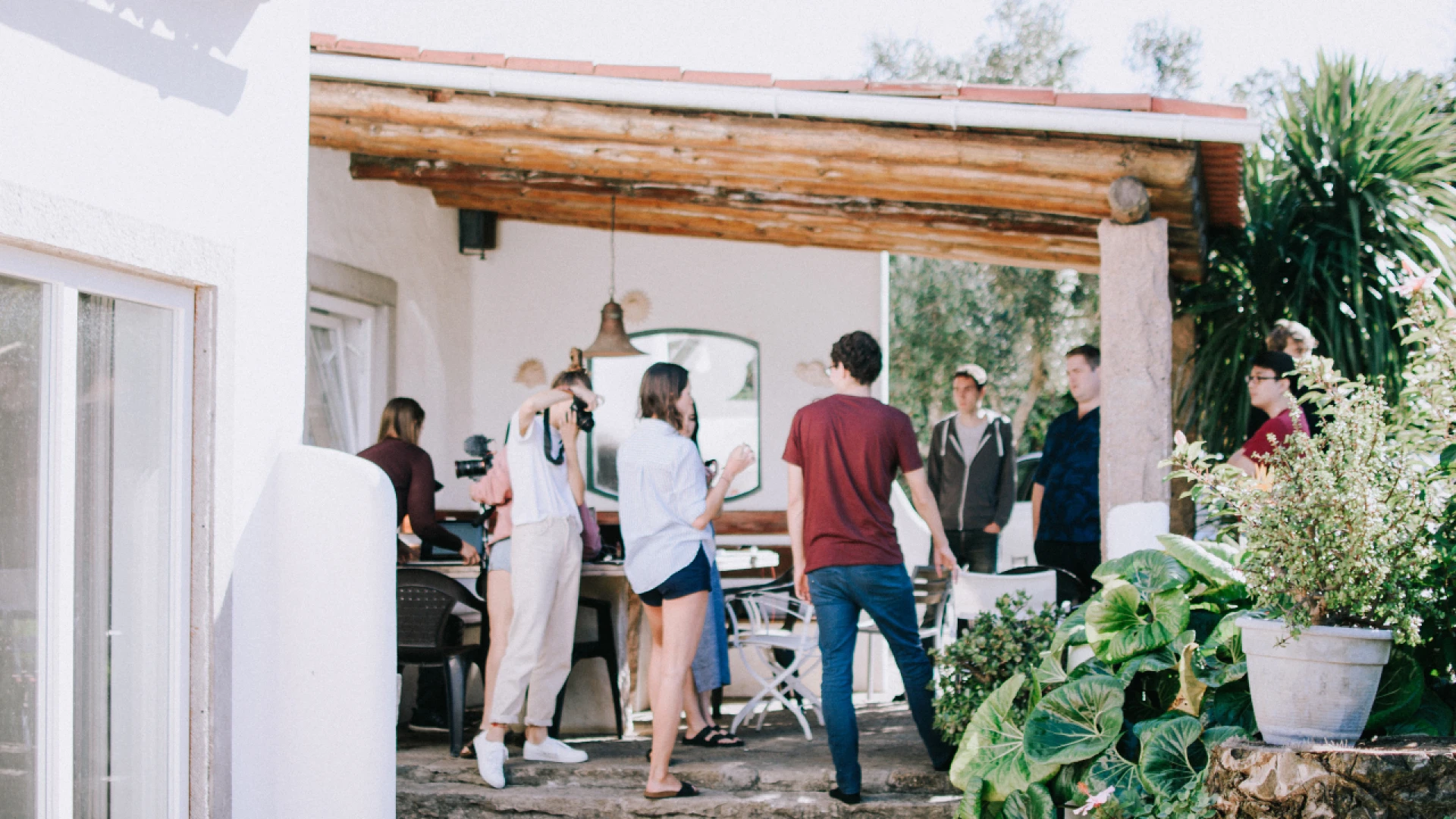
In Thailand's tropical climate, an awning in front of the house is far more than just a decorative element; it's a practical necessity. Providing essential shade from the intense sun and protection from sudden downpours, the right awning can significantly enhance your home's comfort, energy efficiency, and overall aesthetic appeal. However, with a variety of styles, materials, and functionalities available, selecting the perfect awning requires careful consideration to ensure it meets both your practical needs and your design preferences.
This article will explore the key factors to consider when choosing an awning for your Thai home, focusing on how to strike the ideal balance between style and function. From understanding different types of awnings to selecting materials that withstand the local weather, we'll guide you through making an informed decision that adds lasting value to your property.
Understanding Awning Types and Their Benefits
Awnings come in various forms, each offering distinct advantages depending on your specific requirements for shade, rain protection, and aesthetic integration with your home's architecture.
Fixed vs. Retractable Awnings
Fixed awnings are permanently installed structures that offer constant protection. They are highly durable and provide reliable shade and rain cover consistently. However, they lack flexibility and are always extended, which might be a consideration if you prefer an unobstructed view at certain times or need to protect the awning itself during severe weather.
Retractable awnings, on the other hand, offer dynamic control over shade and light. They can be manually operated with a crank or motorized with a remote control, allowing you to extend or retract them as needed. This flexibility is particularly beneficial in Thailand, where you might want full sun in the cooler months or instant rain protection during a sudden shower. Some advanced models even feature weather sensors that automatically retract the awning in high winds or heavy rain.
Material Choices for the Thai Climate
The material of your awning is crucial for its longevity and performance in Thailand's high heat, humidity, and heavy rainfall.
- Fabric Awnings (Acrylic, Polyester, PVC-coated): These are popular for their aesthetic versatility and ability to provide filtered shade. Acrylic fabrics are known for their fade resistance and durability against UV rays, while polyester often comes with PVC coatings for enhanced waterproofing and strength. PVC itself is highly waterproof and easy to clean, making it suitable for areas with frequent precipitation. Lighter colors in these fabrics are excellent at reflecting heat, keeping the shaded area cooler.
- Metal Sheet Awnings: Often made from coated steel or aluminum, metal sheet awnings offer superior durability and robust protection against heavy rain and strong winds. They are low maintenance and come in various colors. While highly effective, they can absorb and retain heat, and heavy rain might create noise.
- Polycarbonate Awnings: These transparent or tinted plastic sheets are rigid and lightweight, allowing natural light to pass through while still providing UV protection and rain cover. They are impact-resistant but can be prone to scratches and may not be ideal for extreme heat accumulation, making them less suitable for carports or very hot, unventilated spaces.
- Fiberglass/Delight Sheet Awnings: Available in opaque and transparent options, these offer good aesthetics and allow light to filter through. They are easy to install but can also be noisy during rain and may fade over time.
For applications requiring exceptional durability and resistance to the tropical climate, including moisture and insects, some innovative materials like those found at a dedicated supplier of robust solutions can be an excellent choice for awning frames or supporting structures.
Style and Design Integration
Beyond function, an awning significantly contributes to your home's curb appeal. The style, color, and design of your awning should harmonize with your home's architectural style and overall aesthetic.
Harmonizing with Architectural Styles
- Traditional Thai Homes: Consider awnings with a classic, perhaps slightly curved or scalloped design, using earth tones or natural greens that blend with lush landscapes.
- Modern Homes: Sleek, minimalist designs with clean lines and neutral colors (grays, whites, blacks) or bold accents can complement contemporary architecture. Retractable awnings often fit well with modern aesthetics due to their streamlined appearance when retracted.
- Colonial or European-Inspired Homes: Awnings with more ornate valances or traditional patterns in muted colors can enhance a classic look.
Color and Light Considerations
The color of your awning impacts not only aesthetics but also its functional performance. Lighter colors tend to reflect more sunlight, helping to keep the area underneath cooler and reducing heat gain inside your home. Darker colors absorb more heat but can offer more intense shade and hide dirt better. Consider the direction your house faces and the amount of direct sun exposure when choosing a color.
Installation and Maintenance
Proper installation and regular maintenance are vital for maximizing the lifespan and effectiveness of your awning in Thailand's demanding environment.
Professional Installation and Local Regulations
Given the climate, professional installation is highly recommended to ensure your awning is securely mounted and can withstand strong winds and heavy rain. Experienced installers will also be familiar with local building regulations in Thailand, which might dictate awning projection limits, height requirements, and the need for permits, especially if the awning extends over public areas. Always confirm any necessary permits with your local municipality.
Ongoing Maintenance Tips
Regular cleaning will keep your awning looking its best and prevent the buildup of mold, mildew, and dirt, which are common issues in humid climates.
- Fabric Awnings: Clean regularly with mild soap and water, and ensure they are dry before retracting to prevent mildew. Periodically check for tears or loose stitching.
- Metal/Polycarbonate Awnings: Wipe down with a damp cloth to remove dirt and grime. Check for any signs of rust on metal frames or fasteners and address them promptly.
- General: Inspect the frame and mounting hardware annually for any signs of wear, corrosion, or looseness. Lubricate moving parts on retractable awnings as per the manufacturer's recommendations.
Conclusion
Choosing the right awning in front of the house in Thailand is a strategic decision that marries practical necessity with personal style. By understanding the different types, selecting materials best suited for the tropical climate, integrating the design seamlessly with your home's architecture, and ensuring proper installation and maintenance, you can create a functional and beautiful addition that provides comfort, saves energy, and enhances your outdoor living experience for many years to come.
FAQs
1. Do awnings really help reduce indoor temperatures in Thailand?
Yes, absolutely. Awnings effectively block direct sunlight from hitting your windows and glass doors, which are major entry points for solar heat. By shading these areas, awnings can significantly reduce the amount of heat absorbed by your home, leading to cooler indoor temperatures and potentially lower air conditioning costs.
2. Are retractable awnings more durable than fixed awnings in Thailand's strong winds?
Retractable awnings can be more advantageous in strong winds because they can be easily retracted to protect them from damage. Fixed awnings are designed to be robust, but very strong, sustained winds can still cause damage if they are not engineered to withstand extreme conditions. For areas prone to high winds, ensure any fixed awning is built to local wind load standards, or consider a high-quality motorized retractable awning with a wind sensor for added protection.
3. What is the best material for an awning to withstand heavy rain in Thailand?
For heavy rain, materials with excellent waterproofing are crucial. PVC-coated polyester fabrics are highly effective, as are solid metal sheets or polycarbonate panels. When choosing, also consider the slope of the awning to ensure proper water runoff and prevent pooling, which can lead to leaks or material stress.
4. How often should I clean my awning in Thailand?
Due to Thailand's humid climate, it's advisable to clean your awning at least once every three to six months to prevent the buildup of mold, mildew, dirt, and dust. If your home is located near busy roads or surrounded by trees, more frequent cleaning might be necessary. Always use mild soap and water, and ensure the awning is completely dry before retracting it.
5. Can I install an awning myself, or should I hire a professional in Thailand?
While smaller, simpler awnings might be installed by a competent DIY enthusiast, it is generally recommended to hire a professional, especially for larger or more complex installations. Professionals ensure the awning is securely anchored to withstand Thailand's weather conditions, understand local building regulations, and can handle any electrical work for motorized awnings.